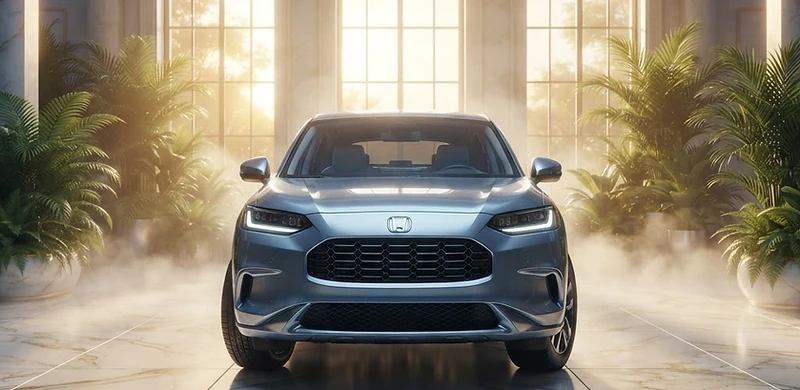

2026 Honda HR-V
Subcompact SUV
Owner Reputation at a Glance
What owners bring up most about the Honda HR-V
Owners praise
- Spacious and practical interior layout
- Intuitive and user-friendly technology controls
- Responsive and engaging steering feel
Owners flag
- Excessive road and cabin noise
- Underpowered engine performance
- Stiff and uncomfortable ride quality
AI-generated theme overview, directional only — not a measurement of owner satisfaction.
Photo Gallery
9 photos

2026 Honda HR-V
0:00 / 2:58
The 2026 Honda HR-V is a Subcompact SUV seating 5 offered with 2.0L I-4 powertrain. Real pricing, real specs, and zero pressure, everything you need to decide if this is the one.
From
$27,595
incl. destination
MPG
26/32 city/hwy
city/hwy
Seats
5
passengers
Power
158 hp
2.0L I-4
Model Year
2026
Powertrain
2.0L I-4
Assembled In
Celaya, Guanajuato, Mexico
Where It's Built
Assembly plant & manufacturing
Celaya, Guanajuato, Mexico
Primary assembly plant for the 2026 Honda HR-V. Some trims or components may originate from additional facilities.
Official Video

Factory Tour

We did the homework so you don't have to
From
$27,595
Power
158 hp
Fuel Economy
26/32 city/hwy
Seats
5
The Gateway to Mature Minimalism
Finding the right entry point into the SUV lifestyle can feel like a series of compromises, but the 2026 Honda HR-V aims to change that narrative. It isn't trying to be an aggressive off-roader or a track-day hero; instead, it offers a grounded, honest approach to daily transportation that feels significantly more expensive than its price tag suggests. For the community-minded driver who values gratitude for the simple things—like a clear view of the road and controls that just work—this subcompact SUV stands as a testament to Honda’s focus on ergonomic excellence.
A Civic in Hiking Boots
Built at Honda's facility in Celaya, Guanajuato, Mexico, the HR-V shares its DNA with the beloved Civic, and it shows in its sophisticated stance. Gone are the quirky, upright proportions and hidden rear door handles of the previous generation. In their place is a wider, longer body with a long hood and a sleek roofline that gives it a surprisingly premium silhouette. The Sport trim, in particular, adds a touch of aggression with black-finished 18-inch wheels and a mesh grille that makes it look ready for a weekend getaway without appearing overly busy.

The Honeycomb Haven
Step inside, and you are greeted by one of the best interiors in the subcompact segment. The 5-passenger cabin is defined by the striking metal mesh honeycomb insert that spans the dashboard, cleverly concealing the air vents while providing a sense of structural beauty. The materials feel substantial, and the physical knobs for the climate control provide a tactile satisfaction that touchscreens simply cannot replicate. While it lacks the "Magic Seats" of its predecessor, the current layout offers plenty of legroom and a cargo area that is low to the ground and easy to load, making it a practical companion for grocery runs or small furniture hauls.
Composed but Unhurried Momentum
Under the hood, every 2026 HR-V utilizes a 2.0L I-4 engine producing 158 hp. It is a powertrain designed for longevity and smoothness rather than raw adrenaline. When you merge onto the highway, the naturally aspirated engine works steadily, paired with a CVT that does a commendable job of simulating traditional gear shifts to avoid the dreaded "rubber-band" feel. The real joy of the HR-V lies in its chassis; because it sits on a Civic-based platform, it handles corners with a level of composure and steering precision that is rare in this price bracket.
""The 2026 HR-V doesn't chase headlines; it chases the quiet satisfaction of a morning commute done right."
The Reality of the Daily Commute
In terms of efficiency, the HR-V delivers a consistent performance with an EPA-estimated 26 mpg in the city and 32 mpg on the highway. While these numbers are competitive for a non-hybrid, they reflect a vehicle optimized for steady cruising. The financial entry point is equally transparent: a starting MSRP of $26,200 plus a $1,395 destination fee brings the total to $27,595. For many families, this translates to an estimated monthly payment of $546/mo, making it a predictable and manageable investment for those looking to secure a reliable long-term vehicle.
Choosing the Right Path
When looking at the lineup, the three distinct tiers offer clear value propositions. The LX ($26,200) serves as a functional, no-frills entry, while the Sport ($28,000) hits the sweet spot with its upgraded wheels and heated seats. For those seeking luxury, the EX-L ($30,050) adds leather-trimmed seating and a larger nine-inch touchscreen. We recommend the Sport trim for most buyers, as it provides the best balance of aesthetic appeal and essential comfort features without crossing the $30,000 threshold. The LX, while affordable, feels a bit too sparse for a vehicle you might keep for a decade.
The Battlefield of Small Utilities
Comparing the HR-V to its peers reveals a segment full of distinct personalities. The Toyota Corolla Cross offers better fuel economy and an optional hybrid, but it lacks the Honda's interior flair and handling poise. The Subaru Crosstrek is the clear choice for those who frequently venture onto unpaved trails thanks to its superior ground clearance, though it feels noisier on the pavement. Meanwhile, the Mazda CX-30 provides a more luxurious, turbocharged driving experience, but it suffers from a much tighter rear seat and less cargo flexibility than the HR-V. Ultimately, the Honda remains the most balanced all-rounder in the group.
Sport
From
$27,595
Est. /mo
$546
MPG
26/32 city/hwy
Seats
5
The Verdict
No sugar-coating. Just the real deal, for better or worse.
The Good Stuff
What it genuinely nails
- 1
High-quality interior materials and design
- 2
Generous standard safety features
- 3
Predictable and composed road manners
The Real Talk
Where it falls short
- 1
Lack of a hybrid engine option
- 2
Mediocre highway passing power
Sport
LX
Driving Impressions
How it actually feels behind the wheel, the grins, the groans, and everything between.
Performance
Acceleration, power delivery, and engine character
- ✓Reliable naturally aspirated power delivery
- ✓Smooth CVT operation with simulated shifts
- !Acceleration feels sluggish when fully loaded
Handling
Steering feel, cornering, and body control
- ✓Car-like agility thanks to Civic platform
- ✓Precise and well-weighted steering
- !Noticeable body roll in sharp high-speed turns
Comfort
Ride quality, noise, and seat comfort
- ✓Generous front-seat support for long drives
- ✓Excellent outward visibility
- !Ride quality can be firm over broken pavement
Under the Hood
How the HR-V's Powertrain Actually Works
Belt-Drive CVT
Steel belt between two variable pulleys
A steel belt (or chain) runs between two cone-shaped pulleys that squeeze together or spread apart, giving an infinite range of gear ratios instead of fixed gears. This is a *conventional* CVT, completely different from the 'e-CVT' in hybrids, which has no belt at all. The upside is the engine can always sit at its most efficient RPM.
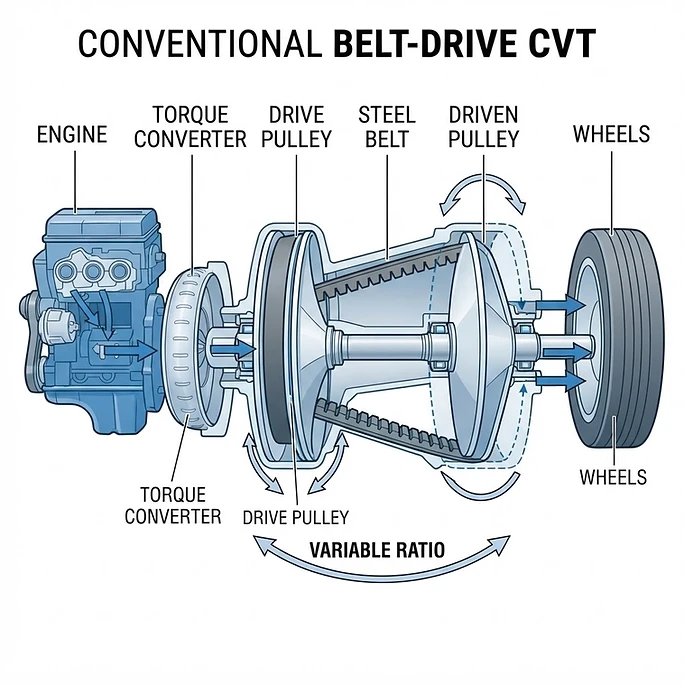
Why it's good
- +Excellent fuel economy in daily driving
- +Smooth, no gear hunting or shift shock
Trade-offs
- −'Rubber-band' feel: engine drones while speed catches up
- −The belt is a long-term wear item, especially behind high-torque engines
e-CVT vs. Planetary Hybrid vs. Conventional Automatic
Three very different ways to get power from the engine to the wheels. Crimson arrows show the main power flow to the wheels.
Trim Breakdown
Monthly estimates: brand financing, 60 months, 7% assumed markup
LX
$27,595
incl. $1,395 destination
Highlights
9-Inch Color Touchscreen
Standardized for 2026, providing a much more modern infotainment experience.
Sport
$29,395
incl. $1,395 destination
What the extra buys you
Heated Front Seats
Greatly improves comfort during winter commutes.
Remote Engine Start
Enables the driver to pre-condition the cabin temperature from afar.
EX-L
$31,445
incl. $1,395 destination
What the extra buys you
Leather-Trimmed Seats
Provides a more upscale feel and is easier to clean than cloth.
Wireless Phone Charger
Eliminates cable clutter in the center console area.
← Scroll to see all trims →
Which Trim Gets You the Good Stuff?
The comfort features people actually ask about, and the cheapest trim that includes them.
Leather Seats
EX-L
from $30,050
Heated Seats
Sport
from $28,000
Ventilated Seats
Not listed on these trims
Heated Steering Wheel
Not listed on these trims
Based on features each trim adds over the one below it, features standard on the base trim may not be listed.
Base vs. Top Trim
What you actually gain moving from the LX to the EX-L.
| Feature | LXBase | EX-LTop |
|---|---|---|
| Leather Upholstery | ||
| Heated Seats | ||
| Ventilated Seats | ||
| Heated Steering Wheel | ||
| Premium Audio | ||
| Adaptive Cruise | ||
| Blind-Spot Monitoring | ||
| Lane Keep Assist | ||
| Sunroof / Moonroof | ||
| Wireless Charging | ||
| Power Liftgate | ||
| Wheel Size | - | - |
Leather Upholstery
Heated Seats
Ventilated Seats
Heated Steering Wheel
Premium Audio
Adaptive Cruise
Blind-Spot Monitoring
Lane Keep Assist
Sunroof / Moonroof
Wireless Charging
Power Liftgate
Wheel Size
Based on features each trim adds over the one below it. A feature marked for the base trim may be standard; items not listed on any trim are shown as “No.”
What It Really Costs
Sticker price is never the full story. Here's the real out-the-door math for the HR-V - including state sales tax, dealer doc fees, and registration, based on your location.
Price Breakdown
Margin: $2,096 (8%)
All fees included
Est. monthly, Honda financing
60-month cost-plus sale · 7% assumed markup · $0 down
An estimate for financing through Honda's own financial company. The 7% markup is our assumption for illustration, not a rate anyone is quoted, and your real number moves with credit, term, and whatever rate the brand is running.
Invoice = est. dealer cost before holdback (2–3% MSRP). A fair deal is typically $500–$2,000 above invoice. OTD includes state sales tax, avg doc fees, and registration.
Annual Fuel Cost
Based on your location: California
Based on 12,000 miles/year, 29 combined MPG, and $5.63/gal in California.
Depreciation Curve
Estimated value over 7 years
Value at 5 years
$19,868
28% of purchase price
Lost in 5 years
$7,727
Your biggest ownership cost
Estimates based on iSeeCars 2026 5-year depreciation study for Honda. Actual resale value depends on condition, mileage, market demand, and trim level.
5-Year Cost of Ownership
Everything you'll spend beyond the sticker price
Estimated 5-year total
$25,392
Per month
$423/mo
Includes depreciation, fuel (gas), insurance, maintenance, and the financing markup at an assumed 7% over 60 months, the cost of financing through the brand's own financial company rather than paying cash. Based on 12,000 miles/year, $0 down, and state-average fuel prices. The 7% is an assumption for illustration, not a quoted rate. Your actual costs will vary.
Note: Financing figures assume a 7% markup over 60 months with $0 down, the cost of financing through the brand's own financial company, and the 7% is an assumption for illustration rather than a quoted rate. Estimates also assume 12,000 miles/year, and state-average fuel prices from AAA (July 2026) and EIA (April 2026). Depreciation is based on the iSeeCars 2026 5-year study. Insurance reflects 2025–2026 national averages by vehicle type. Your actual costs depend on your driving habits, insurance history, local taxes, dealer add-ons, rebates, and your negotiated price.
Monthly Payment Estimate, Brand Financing
A cost-plus sale at an assumed 7% markup. Your actual figure will vary.
Estimated monthly payment
Estimates exclude taxes, title, registration, and dealer fees. Read this as financing through Honda's own financial company. The 7% rate is an assumption for illustration, not a rate you are quoted. This tool helps you budget, it is not a financing offer.
Accessories Shop
Top 10 2026 Honda HR-V Accessories
Custom-fit best-sellers made for the 2026 Honda HR-V, floor liners, seat covers, cargo liners and more. Checkout securely here, we handle sourcing and shipping.

Interior
Tailored-Fit Windshield Sunshade (Model-Shaped)
A windshield sunshade laser-cut to your car's exact glass shape — edge to edge, not a fold-up universal — with a graphene heat-block layer to keep the cabin cooler. It's made to match your specific model for a flush fit.
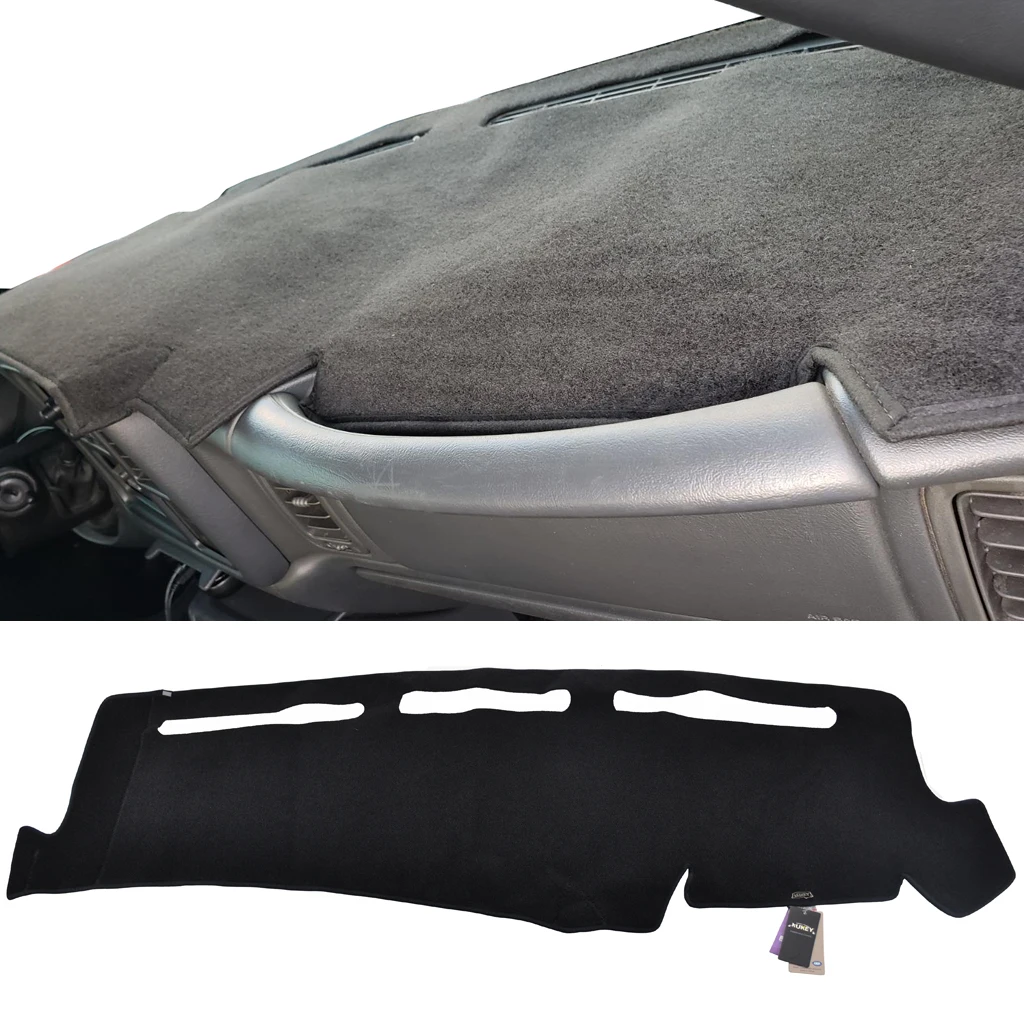
Interior
Custom-Fit Dashboard Cover Mat (Select Your Model)
A contoured dash mat cut to your dashboard — vent and sensor cut-outs included — to kill windshield glare and shield the top pad from UV cracking. Select your exact model and year at checkout.

Exterior
All-Weather Outdoor Car Cover (Select Your Size)
A waterproof, dust- and UV-proof outdoor cover with soft lining and tie-down straps to protect paintwork through sun, rain and snow. You choose the size band that matches your sedan, hatch or SUV at checkout for a close, wind-resistant fit.
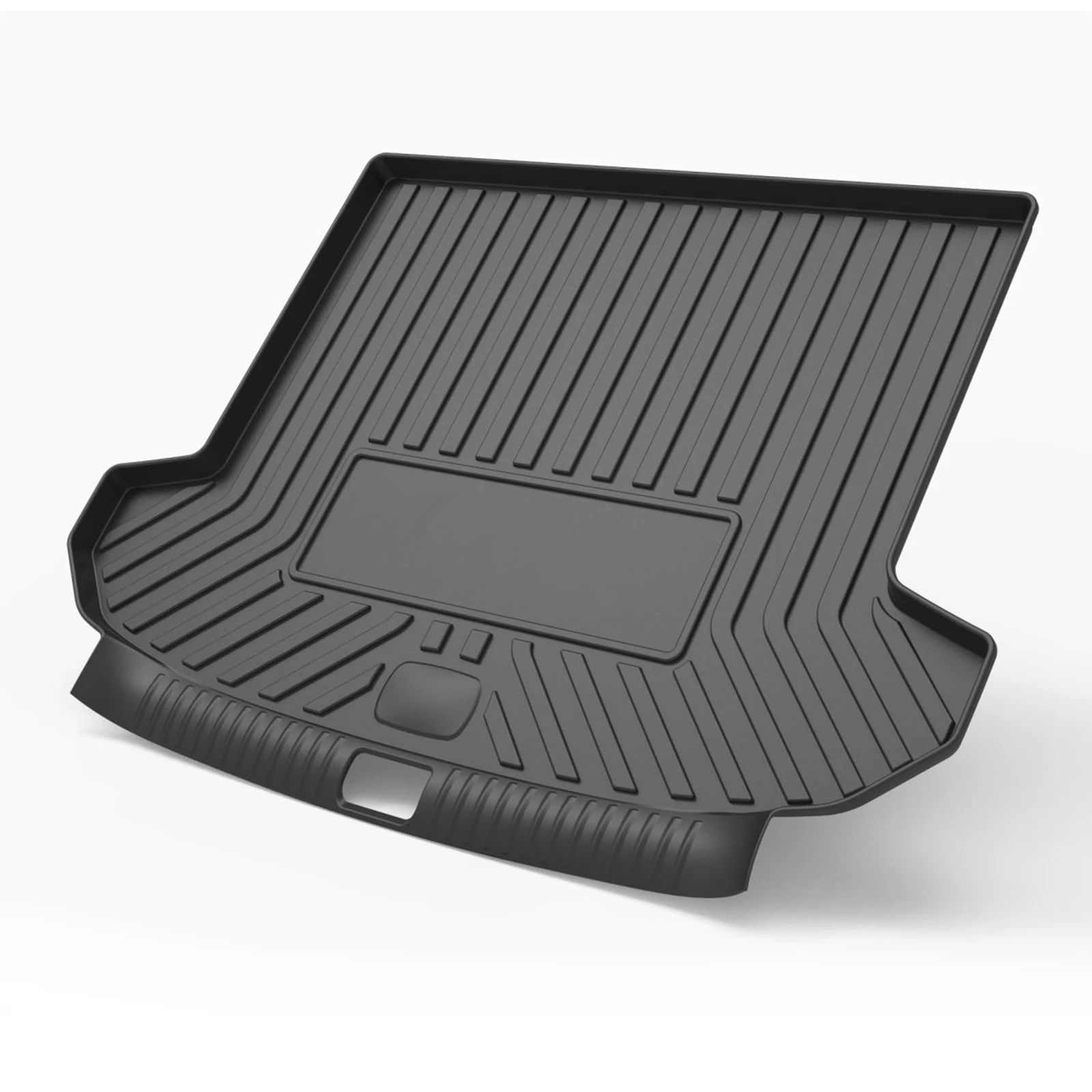
Interior
Custom-Fit TPE Cargo / Trunk Liner (Select Your Model)
A 3D laser-measured TPE trunk liner with raised edges cut to your exact boot, so spills, mud and gear stay off the carpet. Pick your model and year at checkout — this one listing covers 20+ variants.

Interior
Full-Set Car Seat Covers (Front & Rear, PU Leather)
A complete cover set — two front buckets, the rear bench and all headrests — in wipe-clean PU leather that fits the large majority of 5-seat cars. Pick the 2-seat or full 5-seat layout at checkout; it installs in about 20 minutes without removing your seats.

Interior
Custom-Fit 3D Molded Floor Liners (Select Your Model)
Full-surround 3D floor liners laser-cut to your car's exact footwell shape, not a universal trim-to-fit mat. You choose your model, year and seat layout at checkout so the set drops straight in.

Safety
Emergency Window Breaker & Seatbelt Cutter (2 Pack)
Two compact tools that break a side window and cut a jammed seatbelt if you're ever trapped in the car. Keep one in each door within reach.

Safety
Digital Tire Pressure Gauge
A pocket digital gauge with a backlit screen that reads car, truck and bike tires in PSI, bar, kPa or kg/cm2. Cheap insurance for better mileage and safer tires.

Interior
LED Interior Ambient Light Kit
Small USB-powered lights that add a soft glow to the cabin at night, plugging straight into a USB port with no wiring. A bit of atmosphere without a full install.
Interior
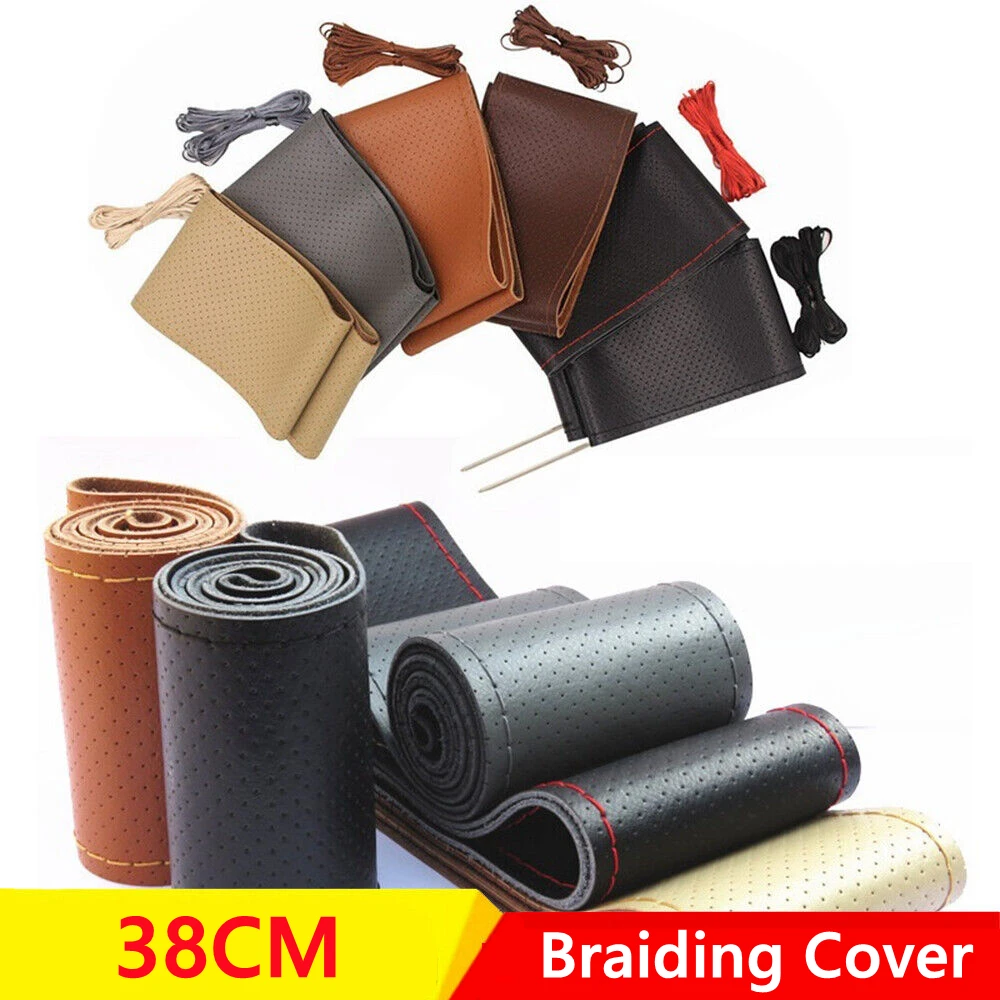
Leather Steering Wheel Cover
A microfiber-leather cover that adds grip and takes the sting out of a hot or cold wheel, fitting standard 14.5-15 inch wheels. Comfortable to hold on long drives.
Backed 100% by Carummah, proudly based in East Lansing, Michigan. Damaged, wrong fit, or not what you expected? We replace it or refund you in full, no fine print.
vs. The Competition
The HR-V competes directly with Toyota Corolla Cross, Subaru Crosstrek, Mazda CX-30. Here's an honest spec-by-spec comparison so you can see where it wins, and where it doesn't.
| Spec | Honda HR-V | Toyota Corolla Cross | Subaru Crosstrek | Mazda CX-30 |
|---|---|---|---|---|
| Starting Price | $27,595 | $25,560 | $28,340 | $26,520 |
| Est. Monthly | $546/mo | $506/mo | $561/mo | $525/mo |
| Fuel Economy | 26/32 city/hwy | 31/33 city/hwy | 26/33 city/hwy | 26/33 city/hwy |
| Seating | 5 seats | 5 seats | 5 seats | 5 seats |
| Power | 158 hp | 169 hp | 180 hp | 191 hp |
Toyota
Corolla Cross
$25,560
HR-V costs $2,035 more
Subaru
Crosstrek
$28,340
HR-V is cheaper by $745
Mazda
CX-30
$26,520
HR-V costs $1,075 more
Safety Ratings
Crash Test & Safety
Independent crash-test ratings from NHTSA and IIHS, standard airbag count, and factory driver-assist equipment.Note: Ratings are from the 2025 model year. The 2026 model is not yet tested.
Third-Party Awards
8 airbags standard
Dual-stage front, front side, side curtain (rows 1–2), driver's knee
Long-Term Reliability
How Reliable Is the HR-V?
Predicted reliability scores from J.D. Power and Consumer Reports, common owner-reported issues, warranty coverage, and recall history.
190k
miles, trouble-free with regular maintenance
RepairPal
4.0/5
J.D. Power VDS
79/100
Consumer Reports
3/5
Common Issues to Watch For
Sluggish acceleration (2.0L)
ModerateNot a defect but a known limitation, the 2.0L engine struggles at highway speeds and uphill. Test drive before buying.
AC condenser failure
ModerateCondenser cracks cause slow refrigerant leaks. Check A/C performance before purchasing used.
Loud cabin at highway speeds
MinorRoad noise above 65 mph is a common owner complaint. Not a defect, consider it a trade-off for the low price.
Rear wiper motor failure
MinorThe rear wiper motor can fail prematurely. Inexpensive but annoying when it happens in rain.
Warranty Coverage
Source: Honda official warranty. Terms: years / miles (whichever comes first).
Bumper-to-Bumper
3 yr / 36,000 mi
Powertrain
5 yr / 60,000 mi
Roadside Assist
3 yr / Unlimited mi
EV Battery
8 yr / 100,000 mi
Recall History
Denso fuel pump, impeller may deform, causing engine stall
Is the 2026 Honda HR-V reliable?
Reliability comes from long-term owner data, not a brochure. Honda generally ranks above average, but specific years and trims tell different stories — see the known issues and owner complaints in the Reliability section above for this exact model.
What usually breaks first?
The parts that fail earliest are rarely the engine. It's the infotainment, sensors, the 12-volt battery, brakes, and — on electrified models — the traction battery's slow degradation curve. Skim the owner complaints above before you commit; that's what real owners actually deal with.
Should I buy the extended warranty?
Only if the math works for you. We don't sell warranties and we don't get a kickback, so here's the honest version: most buyers never recoup the cost. The few who do are the ones whose specific part fails. Treat it as insurance against a disaster you couldn't afford, not an investment that pays you back.
How much does maintenance cost?
Routine maintenance — oil, filters, brakes, tires — is predictable and Honda parts sit mid-pack on price. The biggest variables are tires and brakes, both of which depend on how and where you drive. See the True Cost section for our five-year estimate on this model.
Do I have to service it at the selling dealer?
No. You are never obligated to return to the dealer who sold you the car for routine maintenance. Any independent shop with certified techs can do the work and keep your warranty intact. The only thing you must take to a same-brand dealer is warranty and recall work — and every same-brand dealer has to do that for free.
How often does it really need service?
Follow the maintenance minder, not a fixed-mileage myth. Most modern Hondas flag service by condition rather than a rigid schedule. Skipping it to "save money" is the most expensive choice you can make — small problems become big bills.
What costs show up after the sticker price?
Destination and delivery, sales tax, title and registration, the dealer's documentation fee, and whatever add-ons the finance office sells you. The advertised price is not what you pay — the out-the-door price is the only honest number. Use our OTD calculator to see the real total before you walk in.
Are dealer add-ons worth it?
Most are marked up 200–400% and are negotiable or removable. Paint protection, nitrogen in the tires, VIN etching — some are fine, most aren't. You can decline every single one of them, and the car is the same car. Our buying guides break down which are worth it and which to skip.
What about depreciation?
A new car loses the most in the first three years. The 'cheap' monthly payment on a long loan often costs you more in negative equity than you save each month. The True Cost section shows the five-year depreciation curve so you can see what the car is actually worth when you're done with it.
We don't sell cars on this page, we don't take ad money, and we don't get a cut of anything you buy. These answers exist so you walk into any dealership informed.
Owner Perspectives
Owner feedback from reader submissions and public sources, what they love and what drives them crazy.
Owner Sentiment Summary
8 themes surfaced from owner discussions
Owners generally appreciate the vehicle for its practical interior space and straightforward, user-friendly controls. While many find it to be a reliable and capable daily driver, some express dissatisfaction with its acceleration and cabin comfort levels.
What Owners Love
Spacious and practical interior layout
Intuitive and user-friendly technology controls
Responsive and engaging steering feel
Dependable long-term reliability
Common Complaints
Excessive road and cabin noise
Underpowered engine performance
Stiff and uncomfortable ride quality
Lack of long-term seat support
These themes are generated by an AI model and have not been verified against primary sources or owner-survey data. They are directional only, not a measurement of owner satisfaction. Individual experiences vary, use as a data point, not a guarantee.
No owner reviews yet.
Be the first to share your experience with the HR-V.
Share Your Experience
Own a HR-V? Help other buyers by sharing what you love and what frustrates you.
Have me read your Honda HR-V before you sign it
I sell cars inside a dealership. I know where the money hides. Send me your buyer's order before you sign and I'll tell you every charge that moves, what to delete, and the words to say — and I'll check whether your financing is a cost-plus sale or a money loan.
No dealer pays me
Not a referral fee, not a lead fee, not ever. Only you.
I coach, I don't broker
I never call your dealership. You do all the talking.
Straight to my phone
Your text reaches me directly. No call center.
Carummah is run by Anas Aldasouqi, a retired Honda sales specialist in Okemos, Michigan. Deal Check is paid for by you and by nobody else — no dealership, lender or manufacturer pays Carummah anything. He no longer works at a dealership, so he has no store to protect. Asking a question by text is always free. Prefer AI-matched picks first? Take the 60-second quiz.
What's Next
Compare
See how the HR-V stacks up against Toyota Corolla Cross and Subaru Crosstrek
Open Compare ToolRead Our Guides
Best tips for finalizing your HR-V purchase and understanding financing
Browse GuidesFind Your Car
Not sure which model is right? Our quiz helps you narrow it down in 60 seconds
Take the QuizNot sure which car fits you?
Let our AI match you to the perfect vehicle in 60 seconds, based on your budget, lifestyle, and needs.