

2026 Jeep Wagoneer
SUV
Owner Reputation at a Glance
What owners bring up most about the Jeep Wagoneer
Owners praise
- Spacious and comfortable cabin
- Smooth and quiet ride quality
- Responsive twin-turbocharged engine performance
Owners flag
- Frequent electrical and sensor malfunctions
- Inconsistent transmission shifting behavior
- Complex and difficult to use control interfaces
AI-generated theme overview, directional only — not a measurement of owner satisfaction.
Photo Gallery
3 photos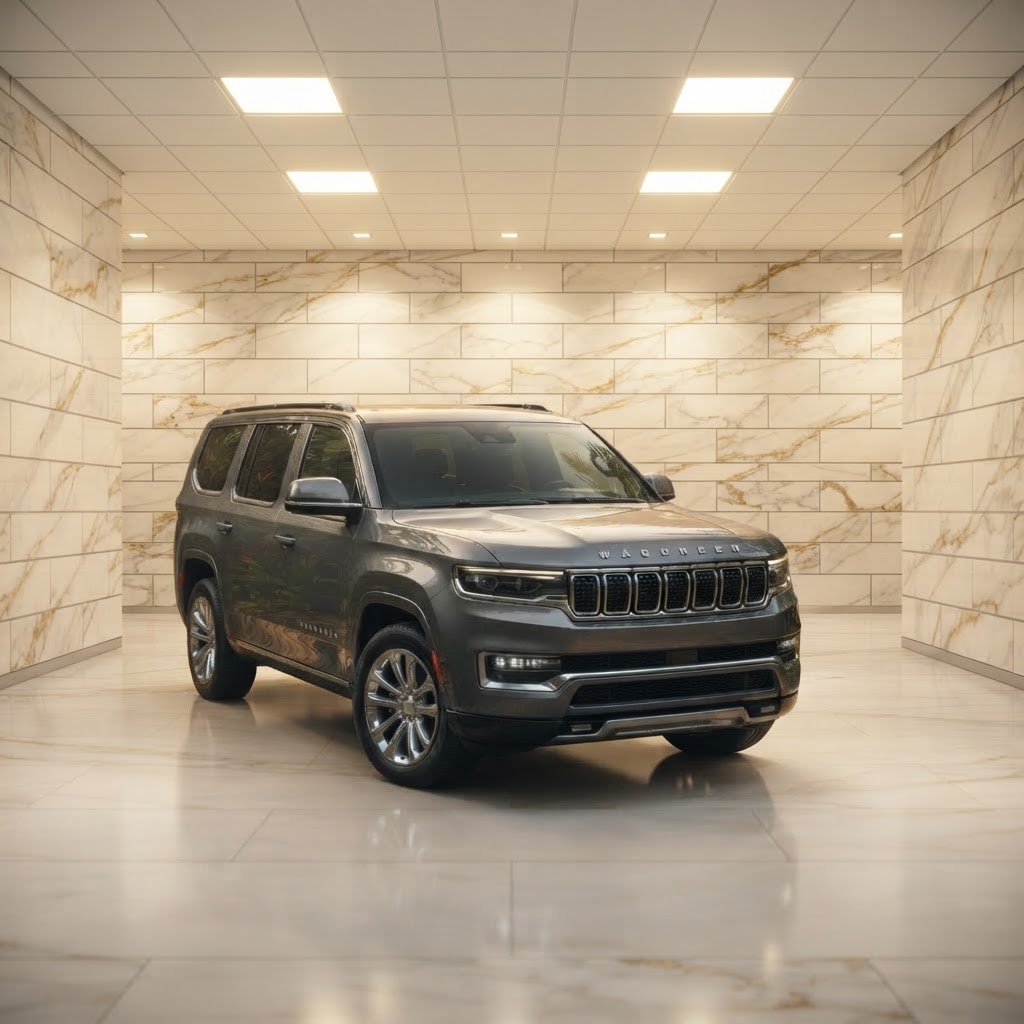

2026 Jeep Wagoneer
0:00 / 3:52
The 2026 Jeep Wagoneer is a SUV seating 8 offered with 3.0L Hurricane I6 Turbo powertrain. Real pricing, real specs, and zero pressure, everything you need to decide if this is the one.
From
$64,945
incl. destination
MPG
17/24
city/hwy
Seats
8
passengers
Power
420 hp
3.0L Hurricane I6 Turbo
Model Year
2026
Powertrain
3.0L Hurricane I6 Turbo
Assembled In
Warren, MI, USA
Where It's Built
Assembly plant & manufacturing
Warren, MI, USA
Primary assembly plant for the 2026 Jeep Wagoneer. Some trims or components may originate from additional facilities.
Official Video

Factory Tour

Spoiler: it's more interesting than the brochure
From
$64,945
Power
420 hp
Fuel Economy
17/24
Seats
8
An American Original Reimagined
The 2026 Jeep Wagoneer arrives as a sophisticated answer to the traditional American family hauler. It is a vehicle that balances the rugged heritage of the Jeep brand with a modern focus on passenger comfort and smooth, forced-induction power. While many competitors are just now catching up to the idea of a premium interior in a body-on-frame SUV, the Wagoneer feels like it was designed from the ground up to be the neighborhood's most comfortable sanctuary. It represents a shift in philosophy, moving away from the thirsty V8 engines of the past toward a more efficient, yet more powerful, inline-six future.
Sculpted Mass and Subtle Details
Standing before the Wagoneer, the first thing you notice is its sheer scale. Assembled in Warren, MI, USA, this SUV possesses a presence that demands space without appearing overly aggressive. The seven-slot grille is canted forward slightly, a nod to Jeeps of yesteryear, but the rest of the body is clean and remarkably uncluttered. There are no fake vents or excessive chrome flourishes here; instead, the Wagoneer relies on its upright pillars and expansive glass to convey its premium status.
The Series I and Series II trims both offer a stately look, though the Series II adds more sophisticated wheel designs and lighting elements. It is a massive vehicle, yet the design team has managed to mask some of that bulk through clever surfacing. It looks at home in a suburban driveway, yet you can still see the DNA that would allow it to tackle a dirt trail to a secluded campsite. It is a design built on gratitude for the journey, not just the destination.

A Sanctuary for the Modern Tribe
Inside, the Wagoneer truly separates itself from the utilitarian trucks of the past. It offers seating for 8 passengers across three rows, and unlike many rivals, the third row is actually habitable for adults. The materials in the Series II are particularly impressive, with soft-touch surfaces and high-quality leather that feel worth the premium price point. Jeep has managed to integrate screens without making the dashboard feel like a Best Buy showroom; the tech is there when you need it but recedes into the background when you don't.
The layout focuses on community. With standard eight-passenger seating, it is the ultimate tool for carpooling or extended family road trips. There is a sense of airiness thanks to the low beltline, which provides excellent visibility for all occupants. Whether you are in the driver's seat or the back row, the Wagoneer treats you with the same level of respect, offering ample USB ports and climate vents for everyone.
Hurricane Winds and Smooth Sails
Under the hood, the old-school V8 has been replaced by the 3.0L Hurricane I6 Turbo. This engine is a revelation for the segment. Producing 420 hp, it delivers power with a smooth, linear progression that makes the Wagoneer feel much lighter than its curb weight suggests. The eight-speed automatic transmission is a willing partner, fading into the background during highway cruises but ready to drop a gear the moment you need to merge.
On the road, the Wagoneer prioritizes isolation. The steering is light and easy to manage in tight parking lots, though it lacks the communicative feel of a sports sedan—not that anyone is buying a Wagoneer for canyon carving. It glides over road imperfections, soaking up the kind of potholes that would rattle the teeth of passengers in lesser SUVs. It is a confident, relaxed cruiser that encourages you to take the long way home.
"The Hurricane I6 proves you don't need eight cylinders to move eight people with absolute authority.
The Real Cost of Full-Size Luxury
Owning a vehicle of this magnitude requires a realistic look at the numbers. The 2026 Jeep Wagoneer starts at $62,945 MSRP. Once you add the $2,000 destination charge, the total entry price is $64,945. For those looking at monthly budgeting, you can expect an estimated monthly payment of approximately $1,286/mo. Fuel economy for the 3.0L Hurricane engine is rated at 17 MPG city and 24 MPG highway. While these numbers are an improvement over the old V8s, it remains a significant expense for daily commuting, though the highway efficiency is commendable for a vehicle that can carry eight people.
Choosing Your Path: Series I or Series II
When deciding which Wagoneer to bring home, the choice comes down to how much luxury you require. The Series I ($62,945) is a well-equipped starting point that includes the essential safety tech and the potent Hurricane engine. However, we believe the Series II at $69,445 is the sweet spot. It adds the features that make the Wagoneer feel like a truly premium product, including upgraded leather and better driver-assistance features. We recommend skipping the Series I if you plan on keeping the vehicle for several years, as the added comforts of the Series II significantly improve the daily ownership experience.
The Battle of the Heavyweight Titans
The Wagoneer faces stiff competition from three primary rivals. The Chevrolet Tahoe is the segment's sales leader, offering a slightly more utilitarian interior but excellent diesel engine options. The Ford Expedition provides a punchy twin-turbo V6 and high-tech towing aids that some may prefer for heavy-duty work. Meanwhile, the Toyota Sequoia comes standard as a hybrid, offering better efficiency in stop-and-go traffic but sacrificing some of the Wagoneer’s third-row spaciousness and cargo flexibility. Ultimately, the Wagoneer wins on interior ambiance and passenger comfort, making it the premier choice for those who prioritize the cabin experience.
Series II: $69,445
From
$64,945
Est. /mo
$1286
MPG
17/24
Seats
8
The Verdict
No sugar-coating. Just the real deal, for better or worse.
The Good Stuff
What it genuinely nails
- 1
Most comfortable and spacious third-row seat in the class
- 2
High-quality interior materials that rival dedicated luxury brands
- 3
The 3.0L Hurricane I6 engine is a powerhouse of refinement
The Real Talk
Where it falls short
- 1
Fuel economy remains low compared to hybrid competitors
- 2
The $2,000 destination charge is one of the highest in the industry
Series II: $69,445
Series I: $62,945
Driving Impressions
How it actually feels behind the wheel, the grins, the groans, and everything between.
Performance
Acceleration, power delivery, and engine character
- ✓The 3.0L Hurricane I6 provides effortless, smooth acceleration
- ✓The 420 hp output outclasses many entry-level V8 rivals
- ✓Transmission shifts are nearly imperceptible during normal driving
- !Slight delay in power delivery when the turbos are spooling up
- !Thirsty fuel consumption when driven with a heavy foot
Handling
Steering feel, cornering, and body control
- ✓Light steering makes it surprisingly maneuverable in urban environments
- ✓Impressive high-speed stability on the interstate
- ✓Brake pedal feel is firm and inspires confidence
- !Significant body roll when taking corners at higher speeds
- !The vehicle's sheer width can make narrow lanes feel claustrophobic
Comfort
Ride quality, noise, and seat comfort
- ✓Exceptional sound insulation keeps the cabin whisper-quiet
- ✓Generous legroom in all three rows, including for adults
- ✓Suspension tuning excels at absorbing large road undulations
- !Ride can feel slightly floaty on undulating pavement
- !The step-up height is significant without the optional air suspension
Under the Hood
How the Wagoneer's Powertrain Actually Works
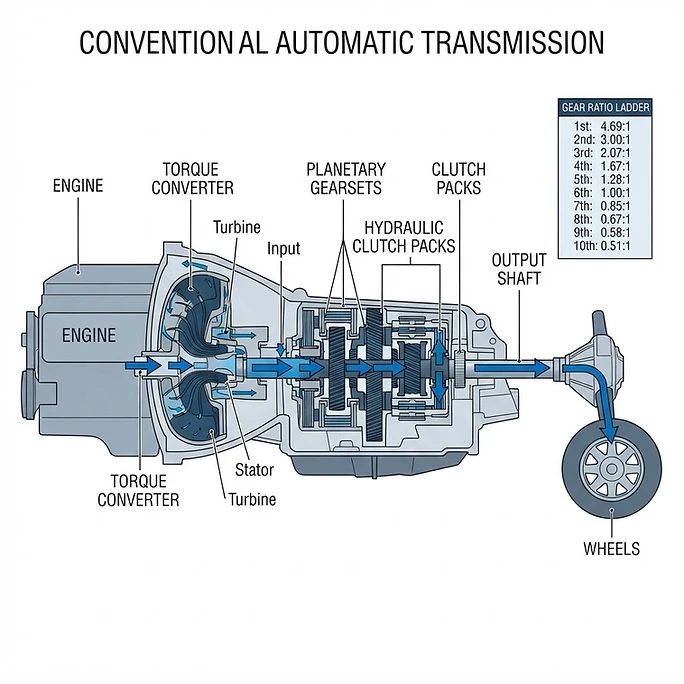
Conventional Automatic
Fixed gears, clutch packs, torque converter
The traditional layout: a torque converter connects the engine to a stack of planetary gearsets, and hydraulic clutch packs engage different combinations to give fixed gear ratios. Modern 8- to 10-speed units shift quickly and keep the engine near its sweet spot.
Why it's good
- +Proven, predictable, and strong for towing
- +Direct, connected driving feel
Trade-offs
- −More moving parts than a hybrid power-split system
- −Slightly lower fuel economy than a CVT in stop-and-go driving
e-CVT vs. Planetary Hybrid vs. Conventional Automatic
Three very different ways to get power from the engine to the wheels. Crimson arrows show the main power flow to the wheels.
Trim Breakdown
Monthly estimates: brand financing, 60 months, 7% assumed markup
Series I
$64,945
incl. $2,000 destination
Highlights
Hurricane Twin-Turbo engine
Strong performance without V8 fuel usage
Series II
$71,445
incl. $2,000 destination
What the extra buys you
20-inch wheels
Enhanced presence and handling
← Scroll to see all trims →
Which Trim Gets You the Good Stuff?
The comfort features people actually ask about, and the cheapest trim that includes them.
Leather Seats
Cloth or synthetic on the trims listed
Heated Seats
Not listed on these trims
Ventilated Seats
Not listed on these trims
Heated Steering Wheel
Not listed on these trims
Based on features each trim adds over the one below it, features standard on the base trim may not be listed.
Base vs. Top Trim
What you actually gain moving from the Series I to the Series II.
| Feature | Series IBase | Series IITop |
|---|---|---|
| Leather Upholstery | ||
| Heated Seats | ||
| Ventilated Seats | ||
| Heated Steering Wheel | ||
| Premium Audio | ||
| Adaptive Cruise | ||
| Blind-Spot Monitoring | ||
| Lane Keep Assist | ||
| Sunroof / Moonroof | ||
| Wireless Charging | ||
| Power Liftgate | ||
| Wheel Size | - | 20" wheels |
Leather Upholstery
Heated Seats
Ventilated Seats
Heated Steering Wheel
Premium Audio
Adaptive Cruise
Blind-Spot Monitoring
Lane Keep Assist
Sunroof / Moonroof
Wireless Charging
Power Liftgate
Wheel Size
Based on features each trim adds over the one below it. A feature marked for the base trim may be standard; items not listed on any trim are shown as “No.”
What It Really Costs
Sticker price is never the full story. Here's the real out-the-door math for the Wagoneer - including state sales tax, dealer doc fees, and registration, based on your location.
Price Breakdown
Margin: $4,406 (7%)
All fees included
Est. monthly, Jeep financing
60-month cost-plus sale · 7% assumed markup · $0 down
An estimate for financing through Jeep's own financial company. The 7% markup is our assumption for illustration, not a rate anyone is quoted, and your real number moves with credit, term, and whatever rate the brand is running.
Invoice = est. dealer cost before holdback (2–3% MSRP). A fair deal is typically $500–$2,000 above invoice. OTD includes state sales tax, avg doc fees, and registration.
Annual Fuel Cost
Based on your location: California
Based on 12,000 miles/year, 20 combined MPG, and $5.63/gal in California.
Depreciation Curve
Estimated value over 7 years
Value at 5 years
$37,668
42% of purchase price
Lost in 5 years
$27,277
Your biggest ownership cost
Estimates based on iSeeCars 2026 5-year depreciation study for Jeep. Actual resale value depends on condition, mileage, market demand, and trim level.
5-Year Cost of Ownership
Everything you'll spend beyond the sticker price
Estimated 5-year total
$53,992
Per month
$900/mo
Includes depreciation, fuel (gas), insurance, maintenance, and the financing markup at an assumed 7% over 60 months, the cost of financing through the brand's own financial company rather than paying cash. Based on 12,000 miles/year, $0 down, and state-average fuel prices. The 7% is an assumption for illustration, not a quoted rate. Your actual costs will vary.
Note: Financing figures assume a 7% markup over 60 months with $0 down, the cost of financing through the brand's own financial company, and the 7% is an assumption for illustration rather than a quoted rate. Estimates also assume 12,000 miles/year, and state-average fuel prices from AAA (July 2026) and EIA (April 2026). Depreciation is based on the iSeeCars 2026 5-year study. Insurance reflects 2025–2026 national averages by vehicle type. Your actual costs depend on your driving habits, insurance history, local taxes, dealer add-ons, rebates, and your negotiated price.
Save More
Tax Incentives & Rebates
Government programs that can reduce the effective cost of the 2026 Jeep Wagoneer. Data current as of July 17, 2026.
Already in a conventional car loan? A note on the interest deduction
One Big Beautiful Bill Act · 2025–2028
The 2026 Jeep Wagoneer has final assembly in the United States (Warren, MI, USA), so interest paid on a conventional loan against it can be deducted, up to $10,000 a year, phasing out above $100k single and $200k joint income.
A deduction is not a discount. It gives back only a fraction of the interest you paid, at your marginal tax rate, so it never turns a loan into a bargain. If you are already in a loan this deduction is worth claiming. If you have not signed yet, compare offers, including Jeep's own financial company, before you choose.
Applies to new vehicles with final assembly in the U.S. Loan must originate after Dec 31, 2024. You must include the vehicle's VIN on your tax return. Lease payments do not qualify. Available for both itemizing and non-itemizing taxpayers. Whether a particular contract's finance charge is deductible is a question for your tax preparer. This is general information, not tax advice.
Read IRS guidanceMonthly Payment Estimate, Brand Financing
A cost-plus sale at an assumed 7% markup. Your actual figure will vary.
Estimated monthly payment
Estimates exclude taxes, title, registration, and dealer fees. Read this as financing through Jeep's own financial company. The 7% rate is an assumption for illustration, not a rate you are quoted. This tool helps you budget, it is not a financing offer.
Accessories Shop
Top 10 2026 Jeep Wagoneer Accessories
Custom-fit best-sellers made for the 2026 Jeep Wagoneer, floor liners, seat covers, cargo liners and more. Checkout securely here, we handle sourcing and shipping.

Interior
Tailored-Fit Windshield Sunshade (Model-Shaped)
A windshield sunshade laser-cut to your car's exact glass shape — edge to edge, not a fold-up universal — with a graphene heat-block layer to keep the cabin cooler. It's made to match your specific model for a flush fit.
Interior
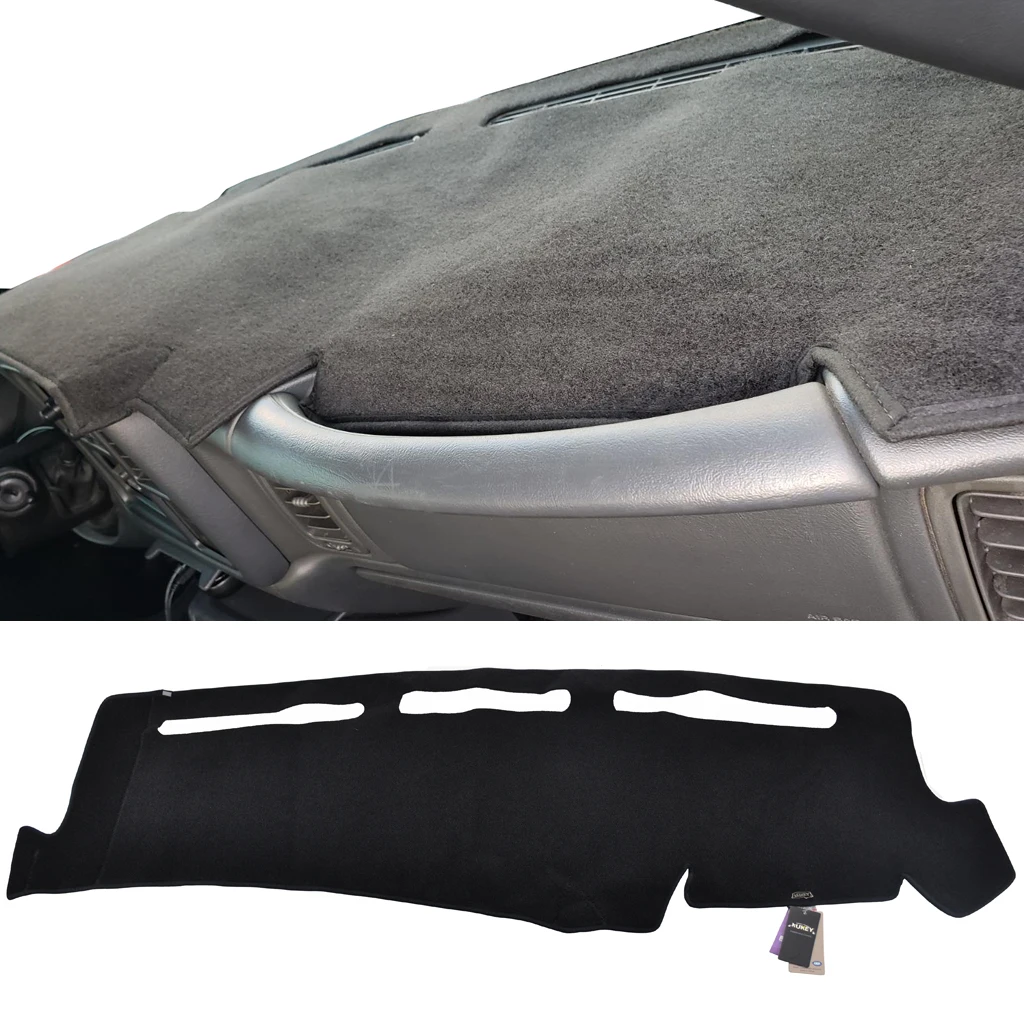
Custom-Fit Dashboard Cover Mat (Select Your Model)
A contoured dash mat cut to your dashboard — vent and sensor cut-outs included — to kill windshield glare and shield the top pad from UV cracking. Select your exact model and year at checkout.

Exterior
All-Weather Outdoor Car Cover (Select Your Size)
A waterproof, dust- and UV-proof outdoor cover with soft lining and tie-down straps to protect paintwork through sun, rain and snow. You choose the size band that matches your sedan, hatch or SUV at checkout for a close, wind-resistant fit.
Interior
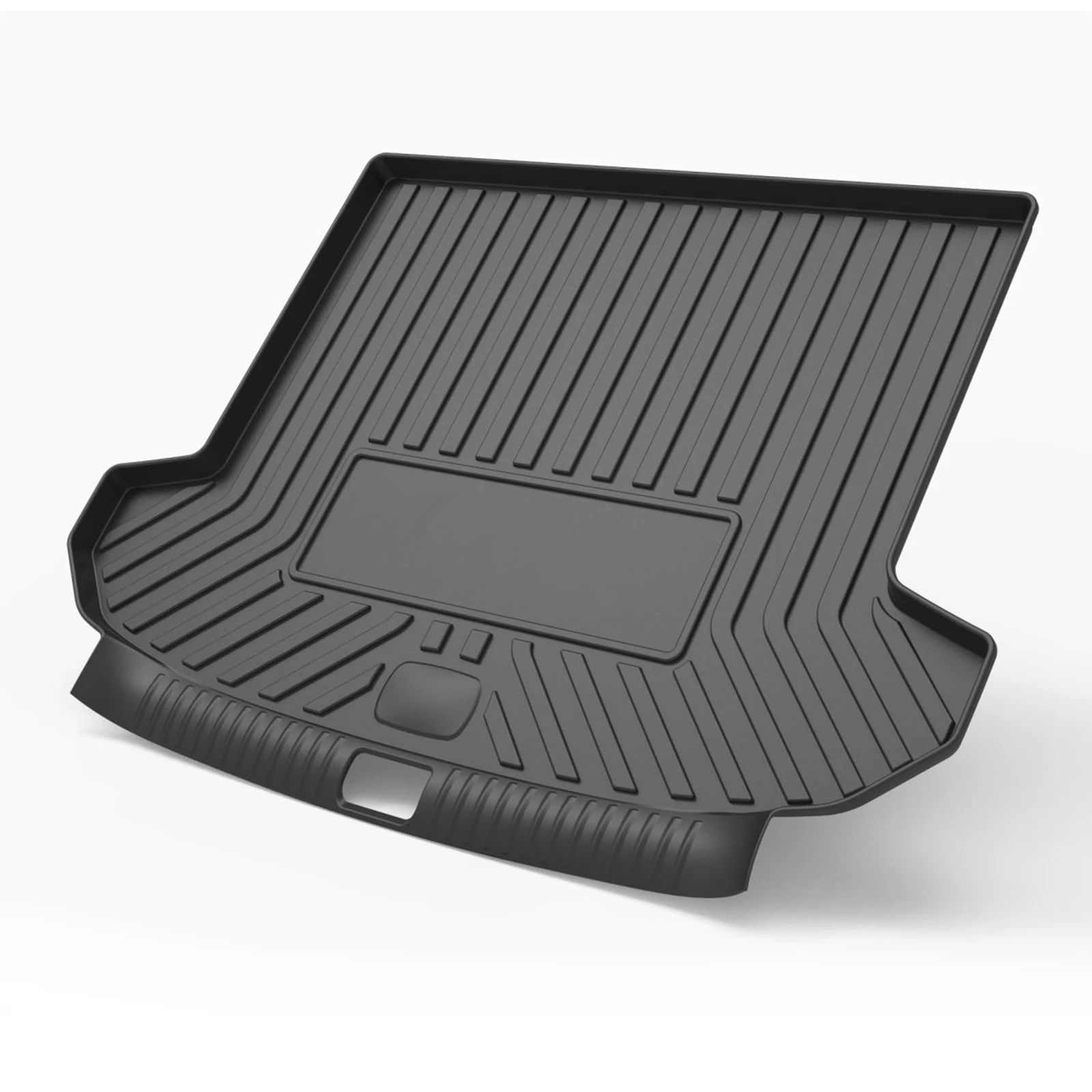
Custom-Fit TPE Cargo / Trunk Liner (Select Your Model)
A 3D laser-measured TPE trunk liner with raised edges cut to your exact boot, so spills, mud and gear stay off the carpet. Pick your model and year at checkout — this one listing covers 20+ variants.

Interior
Full-Set Car Seat Covers (Front & Rear, PU Leather)
A complete cover set — two front buckets, the rear bench and all headrests — in wipe-clean PU leather that fits the large majority of 5-seat cars. Pick the 2-seat or full 5-seat layout at checkout; it installs in about 20 minutes without removing your seats.

Interior
Custom-Fit 3D Molded Floor Liners (Select Your Model)
Full-surround 3D floor liners laser-cut to your car's exact footwell shape, not a universal trim-to-fit mat. You choose your model, year and seat layout at checkout so the set drops straight in.

Safety
Emergency Window Breaker & Seatbelt Cutter (2 Pack)
Two compact tools that break a side window and cut a jammed seatbelt if you're ever trapped in the car. Keep one in each door within reach.

Safety
Digital Tire Pressure Gauge
A pocket digital gauge with a backlit screen that reads car, truck and bike tires in PSI, bar, kPa or kg/cm2. Cheap insurance for better mileage and safer tires.

Interior
LED Interior Ambient Light Kit
Small USB-powered lights that add a soft glow to the cabin at night, plugging straight into a USB port with no wiring. A bit of atmosphere without a full install.
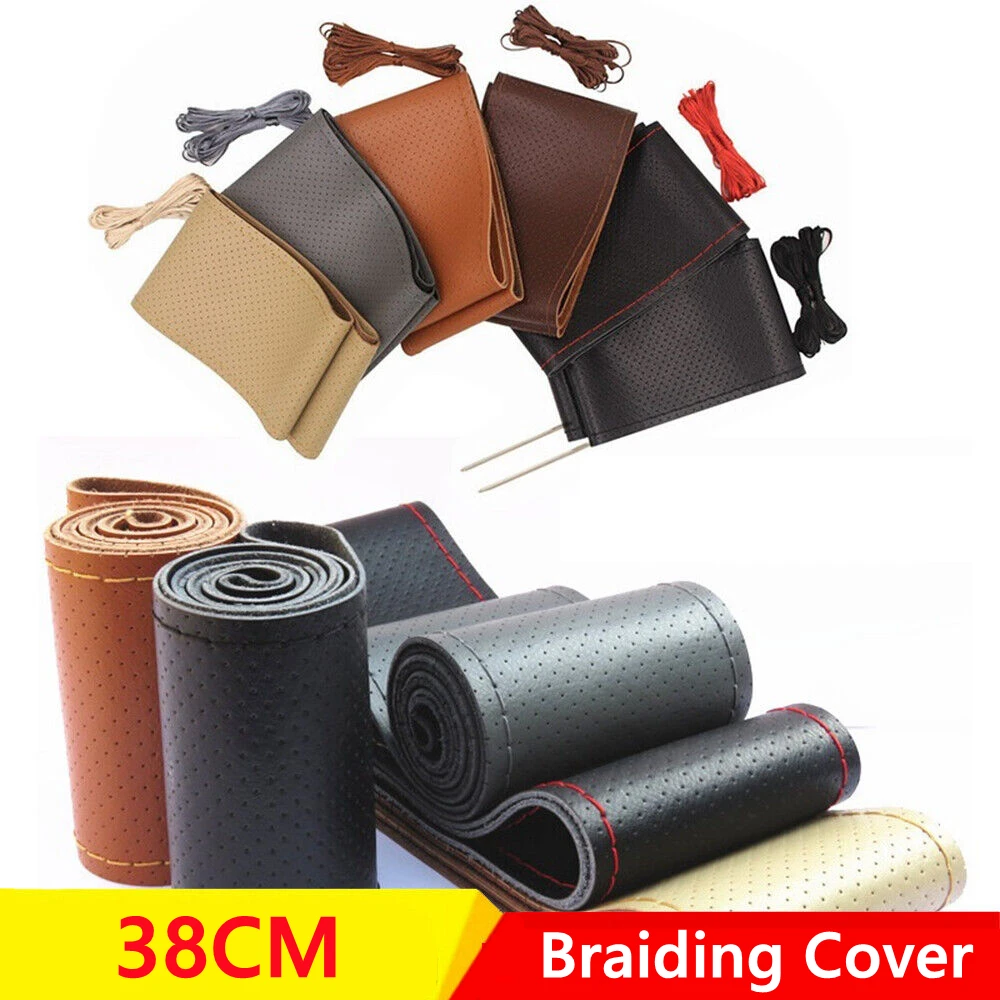
Interior
Leather Steering Wheel Cover
A microfiber-leather cover that adds grip and takes the sting out of a hot or cold wheel, fitting standard 14.5-15 inch wheels. Comfortable to hold on long drives.
Backed 100% by Carummah, proudly based in East Lansing, Michigan. Damaged, wrong fit, or not what you expected? We replace it or refund you in full, no fine print.
vs. The Competition
The Wagoneer competes directly with Chevrolet Tahoe, Ford Expedition, Toyota Sequoia. Here's an honest spec-by-spec comparison so you can see where it wins, and where it doesn't.
| Spec | Jeep Wagoneer | Chevrolet Tahoe | Ford Expedition | Toyota Sequoia |
|---|---|---|---|---|
| Starting Price | $64,945 | $65,490 | $68,290 | $64,025 |
| Est. Monthly | $1286/mo | $1297/mo | $1352/mo | $1268/mo |
| Fuel Economy | 17/24 | 15/20 city/hwy | 16/23 city/hwy | 21/24 city/hwy |
| Seating | 8 seats | 9 seats | 8 seats | 8 seats |
| Power | 420 hp | 355 hp | 400 hp | 437 hp |
Chevrolet
Tahoe
$65,490
Wagoneer is cheaper by $545
Ford
Expedition
$68,290
Wagoneer is cheaper by $3,345
Toyota
Sequoia
$64,025
Wagoneer costs $920 more
Safety Ratings
Crash Test & Safety
Independent crash-test ratings from NHTSA and IIHS, standard airbag count, and factory driver-assist equipment.
Third-Party Awards
No third-party safety award on file for the 2026 Jeep Wagoneer. That means we have not recorded one (such as an IIHS Top Safety Pick), not that this vehicle was evaluated and turned down. Check the NHTSA and IIHS links above for the current status.
Long-Term Reliability
How Reliable Is the Wagoneer?
Predicted reliability scores from J.D. Power and Consumer Reports, common owner-reported issues, warranty coverage, and recall history.
Warranty Coverage
Source: Jeep official warranty. Terms: years / miles (whichever comes first).
Bumper-to-Bumper
3 yr / 36,000 mi
Powertrain
5 yr / 60,000 mi
Roadside Assist
5 yr / 60,000 mi
Recall History
Is the 2026 Jeep Wagoneer reliable?
Reliability comes from long-term owner data, not a brochure. Jeep generally ranks above average, but specific years and trims tell different stories — see the known issues and owner complaints in the Reliability section above for this exact model.
What usually breaks first?
The parts that fail earliest are rarely the engine. It's the infotainment, sensors, the 12-volt battery, brakes, and — on electrified models — the traction battery's slow degradation curve. Skim the owner complaints above before you commit; that's what real owners actually deal with.
Should I buy the extended warranty?
Only if the math works for you. We don't sell warranties and we don't get a kickback, so here's the honest version: most buyers never recoup the cost. The few who do are the ones whose specific part fails. Treat it as insurance against a disaster you couldn't afford, not an investment that pays you back.
How much does maintenance cost?
Routine maintenance — oil, filters, brakes, tires — is predictable and Jeep parts sit mid-pack on price. The biggest variables are tires and brakes, both of which depend on how and where you drive. See the True Cost section for our five-year estimate on this model.
Do I have to service it at the selling dealer?
No. You are never obligated to return to the dealer who sold you the car for routine maintenance. Any independent shop with certified techs can do the work and keep your warranty intact. The only thing you must take to a same-brand dealer is warranty and recall work — and every same-brand dealer has to do that for free.
How often does it really need service?
Follow the maintenance minder, not a fixed-mileage myth. Most modern Jeeps flag service by condition rather than a rigid schedule. Skipping it to "save money" is the most expensive choice you can make — small problems become big bills.
What costs show up after the sticker price?
Destination and delivery, sales tax, title and registration, the dealer's documentation fee, and whatever add-ons the finance office sells you. The advertised price is not what you pay — the out-the-door price is the only honest number. Use our OTD calculator to see the real total before you walk in.
Are dealer add-ons worth it?
Most are marked up 200–400% and are negotiable or removable. Paint protection, nitrogen in the tires, VIN etching — some are fine, most aren't. You can decline every single one of them, and the car is the same car. Our buying guides break down which are worth it and which to skip.
What about depreciation?
A new car loses the most in the first three years. The 'cheap' monthly payment on a long loan often costs you more in negative equity than you save each month. The True Cost section shows the five-year depreciation curve so you can see what the car is actually worth when you're done with it.
We don't sell cars on this page, we don't take ad money, and we don't get a cut of anything you buy. These answers exist so you walk into any dealership informed.
Owner Perspectives
Owner feedback from reader submissions and public sources, what they love and what drives them crazy.
Owner Sentiment Summary
7 themes surfaced from owner discussions
Owners generally appreciate the vehicle for its spacious interior and refined ride quality, though experiences are often polarized by recurring technical and mechanical concerns. While the updated powertrain is frequently praised for its performance, the overall ownership experience is often impacted by frustrations regarding electronic reliability.
What Owners Love
Spacious and comfortable cabin
Smooth and quiet ride quality
Responsive twin-turbocharged engine performance
Improved fuel efficiency
Common Complaints
Frequent electrical and sensor malfunctions
Inconsistent transmission shifting behavior
Complex and difficult to use control interfaces
These themes are generated by an AI model and have not been verified against primary sources or owner-survey data. They are directional only, not a measurement of owner satisfaction. Individual experiences vary, use as a data point, not a guarantee.
No owner reviews yet.
Be the first to share your experience with the Wagoneer.
Share Your Experience
Own a Wagoneer? Help other buyers by sharing what you love and what frustrates you.
Have me read your Jeep Wagoneer before you sign it
I sell cars inside a dealership. I know where the money hides. Send me your buyer's order before you sign and I'll tell you every charge that moves, what to delete, and the words to say — and I'll check whether your financing is a cost-plus sale or a money loan.
No dealer pays me
Not a referral fee, not a lead fee, not ever. Only you.
I coach, I don't broker
I never call your dealership. You do all the talking.
Straight to my phone
Your text reaches me directly. No call center.
Carummah is run by Anas Aldasouqi, a retired Honda sales specialist in Okemos, Michigan. Deal Check is paid for by you and by nobody else — no dealership, lender or manufacturer pays Carummah anything. He no longer works at a dealership, so he has no store to protect. Asking a question by text is always free. Prefer AI-matched picks first? Take the 60-second quiz.
What's Next
Compare
See how the Wagoneer stacks up against Chevrolet Tahoe and Ford Expedition
Open Compare ToolRead Our Guides
Best tips for finalizing your Wagoneer purchase and understanding financing
Browse GuidesFind Your Car
Not sure which model is right? Our quiz helps you narrow it down in 60 seconds
Take the QuizNot sure which car fits you?
Let our AI match you to the perfect vehicle in 60 seconds, based on your budget, lifestyle, and needs.