The 2026 Smart Cabin: Is Your Next Car Actually Smarter?
Are 2026 smart cabin features worth the hype? We break down how AI, personalized seating, and digital cockpits are changing the car buying experience today.
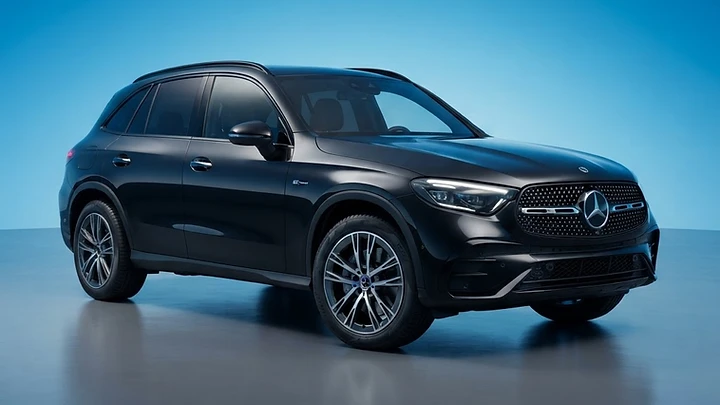
Imagine sliding into the driver’s seat of your new 2026 vehicle. Before you even touch the ignition, the car recognizes your presence, adjusts the seat to your exact posture, sets the climate to your preferred temperature, and cues up your favorite playlist. This isn't science fiction; it is the reality of the 2026 smart cabin. As an automotive journalist, I have seen the industry shift from focusing solely on horsepower to prioritizing the digital sanctuary that surrounds you. Today, buyers are increasingly evaluating vehicles based on their in-cabin experience, making the 'smart' factor a critical part of your next purchase decision.
The Rise of AI-Driven Personalization In 2026, the term 'smart cabin' refers to a sophisticated ecosystem of sensors, AI, and software that learns your habits.
Automakers like BMW and Mercedes-Benz are leading this charge with systems that go beyond simple memory settings. These cars now use occupant sensing to adjust lumbar support, massage intensity, and even ambient lighting based on your stress levels or driving duration. When you are shopping, look for models that offer 'context-aware' features—systems that don't just wait for a command but anticipate your needs based on the time of day or your calendar. 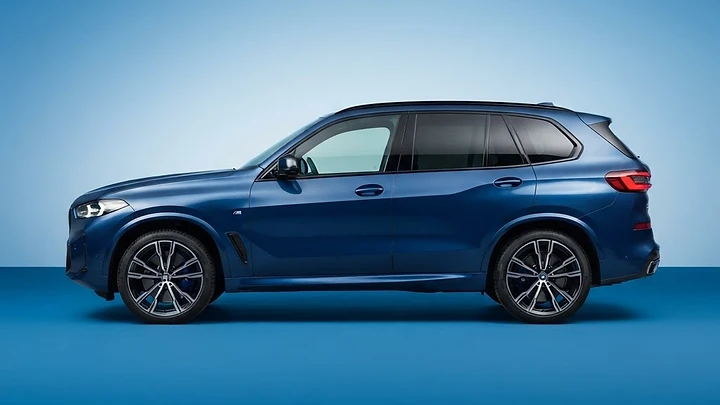
Infotainment: More Than Just a Screen The days of a single, small center display are long gone.
Modern vehicles now feature expansive, multi-screen digital cockpits that integrate navigation, entertainment, and vehicle diagnostics into a seamless interface. Whether it is the vertical 14.4-inch touchscreens found in premium trucks or the dual 12.3-inch LCD setups in luxury sedans, the goal is intuitive interaction. However, transparency is key: ensure the system supports wireless smartphone integration, as this remains the gold standard for long-term usability. Don't be swayed by flashy graphics alone; test the responsiveness of the voice assistant and the ease of navigating menus while parked. 

Comfort Tech: The New Luxury Standard Comfort is no longer just about leather upholstery.
In 2026, smart seating systems are redefining the driving experience. We are seeing the integration of thermal management—where seats can heat or cool specific zones—and advanced massage functions that are no longer reserved for six-figure luxury cars. These features are becoming available in mid-range SUVs and family haulers, providing genuine value for long road trips. When test-driving, pay attention to how these systems integrate with your driver profile. A truly smart cabin should link your seat position, mirror angles, and climate settings to your digital key, ensuring the car is ready the moment you approach. 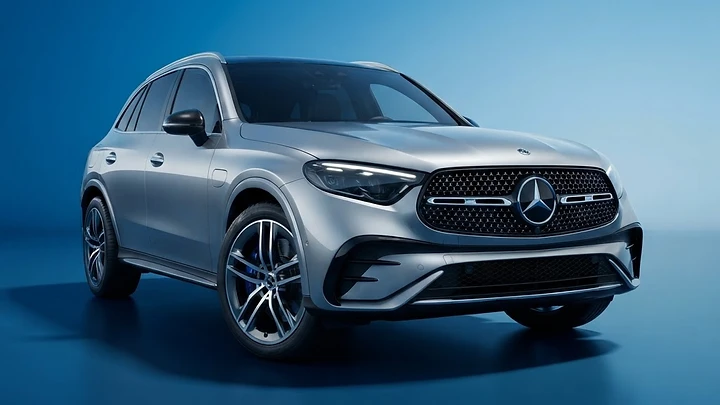

Connectivity and Future-Proofing One of the biggest questions I get from buyers is about software longevity.
With the rise of Over-the-Air (OTA) updates, your car can actually get better over time. However, this requires a robust hardware foundation. When evaluating a vehicle, ask about the manufacturer's commitment to software support. A car with a powerful centralized domain controller is much more likely to receive meaningful feature updates than one with fragmented, legacy electronics. Remember, a smart cabin is only as good as the software powering it, so prioritize brands with a proven track record of consistent, stable updates. 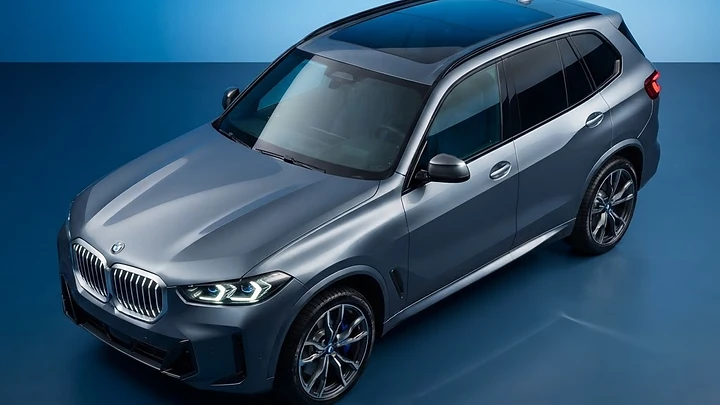

Frequently Asked Questions
Do smart cabin features increase maintenance costs?
While advanced electronics add complexity, most smart cabin features are software-driven. The primary cost concern is usually out-of-warranty repairs for sensors or screens, so consider an extended warranty if you plan to keep the vehicle for more than five years. #
Can I turn off the AI features if I find them distracting?
Yes. Most manufacturers allow you to customize or disable intrusive AI suggestions through the vehicle settings menu. You remain in control of how much 'intelligence' your car provides. #
Is gesture control actually useful?
It depends on the implementation. Systems like those demonstrated by Garmin and Meta are becoming more intuitive, but for many drivers, physical buttons or voice commands remain more reliable for critical functions like volume or climate control. #
Does a smart cabin affect resale value?
Yes. Modern buyers prioritize tech-forward interiors. Vehicles with updated, user-friendly infotainment and connectivity features generally hold their value better than those with outdated, clunky interfaces.
The Bottom Line The 2026 smart cabin is a massive leap forward in automotive comfort and convenience.
If you spend significant time in your vehicle, investing in a model with a well-integrated digital cockpit and personalized comfort features is worth the premium. My recommendation: prioritize vehicles that offer seamless smartphone integration and a responsive, intuitive interface over those that rely on gimmicky, overly complex controls. Focus on the features that genuinely improve your daily commute, and you will find that the right technology makes every mile more enjoyable.
The cars in this story
The real price and honest verdict on each one
- 2026 BMW X5Mid-Size SUV · from $66,775
- 2026 Lucid AirLuxury Electric Sedan · from $70,900
- 2026 Mercedes-Benz GLCCompact Luxury SUV · from $49,600
More car news

Best Midsize 3-Row SUVs 2026: The Honest Buyer’s Guide
Searching for the perfect family hauler? Discover the best midsize 3-row SUVs of 2026, balancing space, fuel efficiency, and value for your growing tribe.

Luxury SUVs With Best Resale Value: The 2026 Honest Guide
Discover which luxury SUVs hold their value best in 2026. We break down depreciation, reliability, and the true cost of ownership for smart buyers.

Car Ambient Lighting: Is This Tech Worth It in 2026?
Is car ambient lighting just a gimmick or a genuine upgrade? We break down the 2026 market, costs, and whether this tech adds real value to your daily drive.