Car Insurance Costs 2026: How to Lower Your Monthly Rates
Struggling with rising car insurance costs? Discover the key factors influencing your 2026 premiums and actionable steps to secure lower rates today.
There is a unique, quiet magic in the first moment you turn the key or press the start button on a new vehicle. It is the promise of open roads, the hum of precision engineering, and the freedom to chart your own course across the American landscape. Yet, for many, that sense of wonder is quickly tempered by the reality of the monthly bill. Understanding car insurance costs in 2026 is no longer just about checking a box; it is a vital part of the modern ownership experience. By mastering the variables that insurers use to calculate your risk, you can reclaim control over your budget and ensure your vehicle remains a source of joy rather than financial stress.
The Primary Drivers of Your Insurance Premium Insurance companies operate on complex actuarial formulas, but the core factors remain consistent.
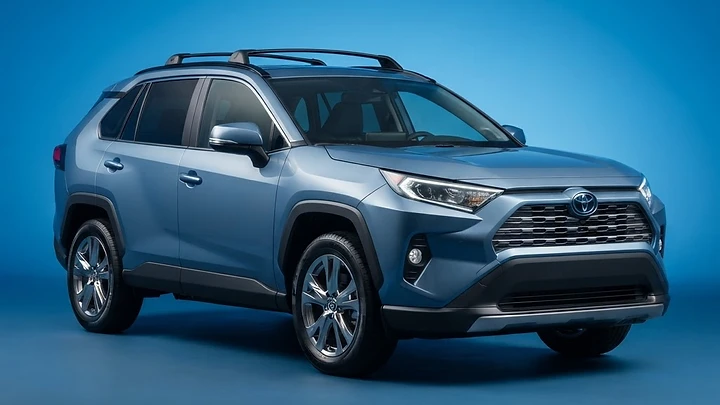
Your age, driving record, and location are the "big three" that set your baseline. In 2026, insurers are placing even greater emphasis on vehicle safety ratings and repair complexity. For instance, a 2026 Toyota RAV4 Hybrid, known for its robust safety suite, may carry a different risk profile than a high-performance sports sedan. Your ZIP code also plays a massive role, as it reflects local accident frequency, theft rates, and even the cost of labor at local repair shops. 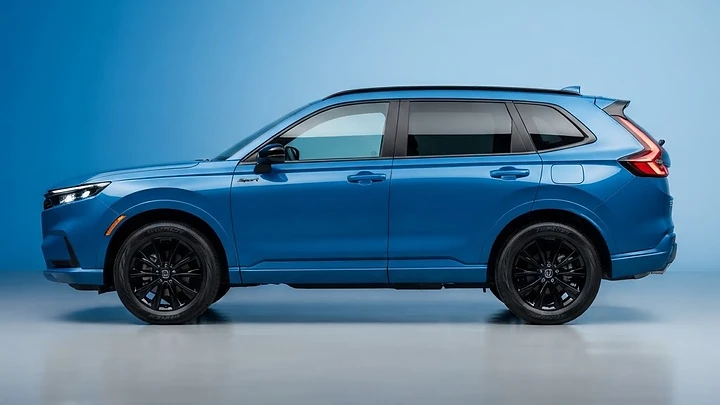
How Your Vehicle Choice Impacts Your Bottom Line The car you drive is a direct reflection of your risk profile.
Modern vehicles equipped with advanced driver-assistance systems (ADAS)—like the lane-keeping assist and automatic emergency braking found in the 2026 Honda CR-V—often qualify for lower premiums because they are statistically less likely to be involved in severe collisions. Conversely, vehicles with expensive, specialized parts or complex sensor arrays can be costlier to repair, which insurers factor into your comprehensive coverage rates. When shopping, always ask your agent how a specific model’s safety rating influences its insurance tier. 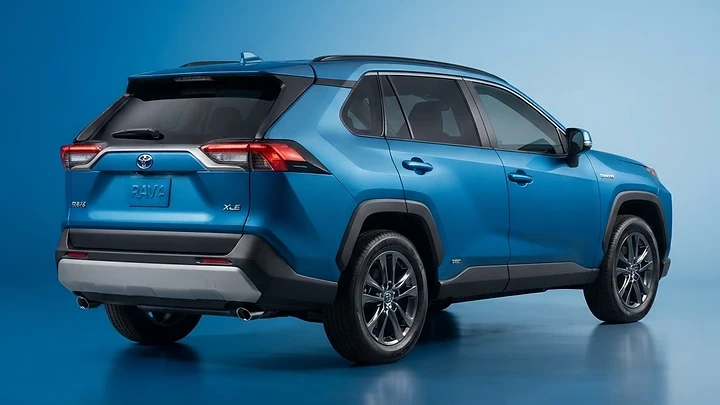

The Power of Usage-Based Insurance and Mileage If you are a low-mileage driver, you might be overpaying for your coverage.
Many carriers now offer usage-based insurance programs that track your actual driving habits via a mobile app or telematics device. If you work from home or rarely commute, you could see significant savings compared to a standard policy. For those who drive less than 8,000 miles a year, pay-per-mile plans can be a game-changer, effectively decoupling your premium from the "average" driver profile and aligning it with your actual time on the road. 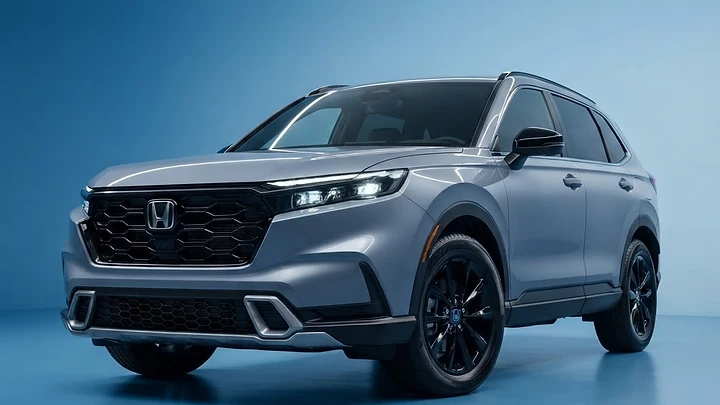

Strategic Steps to Lower Your Monthly Bill Beyond choosing the right car, you have several levers to pull to reduce your costs.
Bundling your auto policy with your homeowners or renters insurance remains one of the most effective ways to secure a multi-policy discount. Additionally, maintaining a clean driving record is the single most impactful way to keep your rates low over the long term. If you have had a lapse in coverage, prioritize getting back on a policy immediately, as insurers reward consistency and longevity. Finally, don't be afraid to adjust your deductibles; raising your collision deductible from $500 to $1,000 can often result in immediate, noticeable savings on your monthly statement. 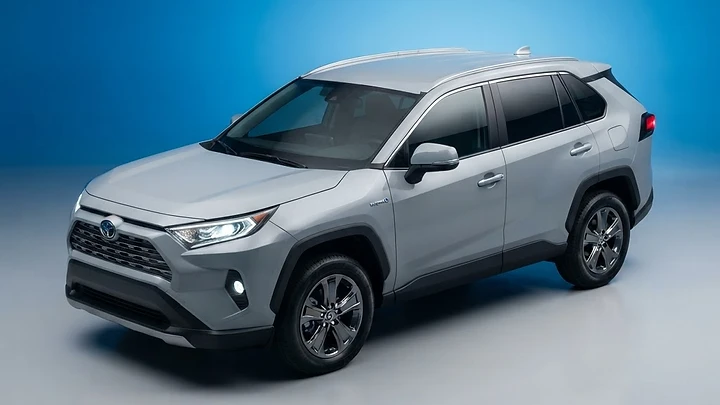

Frequently Asked Questions
Does my credit score really affect my car insurance rate?
In most states, yes. Insurers use credit-based insurance scores to predict the likelihood of future claims. Drivers with higher scores are often viewed as lower risk. #
Can I get a discount for safety features?
Absolutely. Features like blind-spot monitoring, forward-collision warnings, and advanced airbag systems often qualify for specific safety discounts. Always inform your insurer of your vehicle's full equipment list. #
Is it better to pay my premium in full or monthly?
Many insurance companies offer a "paid-in-full" discount, which can save you anywhere from 5% to 10% compared to monthly installments. #
How often should I shop for new insurance quotes?
It is a smart practice to compare quotes every 12 months or whenever you experience a major life change, such as moving, getting married, or adding a new driver to your policy.
The Bottom Line Navigating the world of car insurance in 2026 requires a proactive approach.
By understanding that your vehicle choice, driving habits, and policy structure are all within your control, you can effectively lower your costs. Focus on maintaining a clean record, exploring usage-based programs, and bundling your policies to ensure you are paying the fairest price possible. Your car is a tool for adventure—don't let the cost of protecting it dampen your spirit.
The cars in this story
The real price and honest verdict on each one
Every model, side by sideMore car news


Luxury Sedans 2026: The Honest Buyer’s Guide to Value
Are luxury sedans worth the investment in 2026? We break down the real costs, reliability, and performance to help you choose the right premium vehicle.

Manual Transmission Cars 2026: The Honest Buyer’s Guide
Is the stick shift extinct? We break down every new manual transmission car you can buy in 2026, helping you decide if three pedals are still right for you.


Best Off-Road SUVs 2026: Your Honest Buyer’s Guide
Looking for the best off-road SUVs in 2026? We break down the most capable, reliable, and value-packed models for your next adventure without the dealer fluff.