Car Subscriptions 2026: Is It Time to Ditch Ownership?
Are car subscriptions the future of driving or a financial trap? We break down the 2026 market to help you decide if subscribing beats buying or leasing.
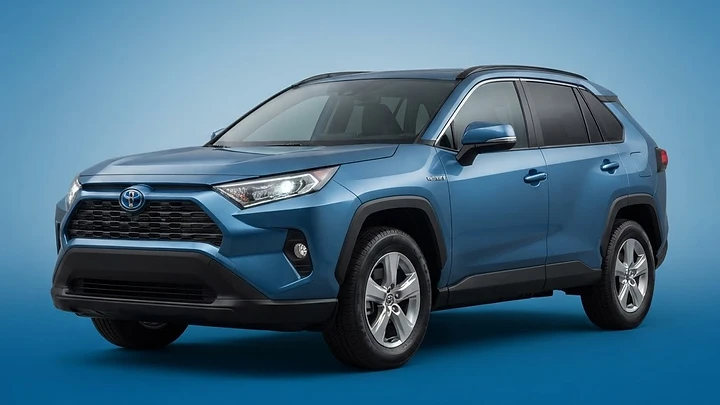
There is a quiet revolution happening on the American road. Imagine waking up on a crisp Tuesday morning, walking to your driveway, and realizing that the vehicle waiting for you isn't just a machine—it is a fluid, temporary partner tailored to your current life chapter. For decades, the American dream was defined by the title in the glovebox and the long-term commitment of a five-year loan. But in 2026, a new wave of car buyers is discovering that the true freedom of the open road might not come from owning a car, but from the ability to let it go. As the automotive landscape shifts toward flexibility, car subscriptions are emerging as a compelling alternative to the traditional dealership grind.
The Rise of the Flexible Mobility Model In 2026, the car subscription market is no longer a niche experiment; it is a rapidly growing sector projected to reach over $6 billion in value this year.
Unlike traditional leasing, which often locks you into a 36-month contract with rigid mileage caps and hefty down payments, subscriptions offer a 'Netflix-style' approach to mobility. You pay a single monthly fee that typically bundles the vehicle, insurance, maintenance, and roadside assistance into one transparent bill. For the modern driver, this removes the anxiety of unexpected repair costs or the depreciation trap that haunts traditional ownership. Whether you are a young professional navigating a career move or a family testing out an EV before committing to a permanent purchase, the subscription model is designed to reduce friction. 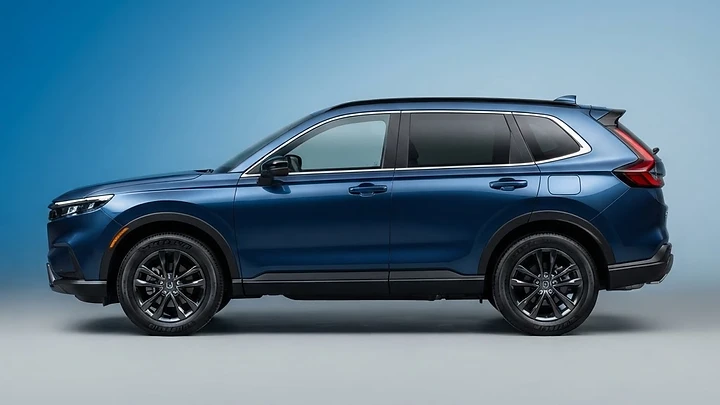
Subscription vs.
Leasing: What’s the Real Difference? The primary allure of a subscription is the lack of long-term commitment. While a lease might require a significant 'due at signing' amount, subscriptions often operate on a month-to-month basis. This is a game-changer for those who value agility. If your commute changes, or if you suddenly need a larger SUV for a summer road trip, many providers allow you to swap your vehicle for a different model within their fleet. However, it is vital to look at the fine print. While the convenience is undeniable, the monthly premium for a subscription is often higher than a standard loan payment because you are paying for the privilege of flexibility and the inclusion of insurance and maintenance. For a 2026 Toyota RAV4 or a Honda CR-V, you might find that a subscription costs $200 to $400 more per month than a traditional finance payment. You must ask yourself: is that premium worth the peace of mind? 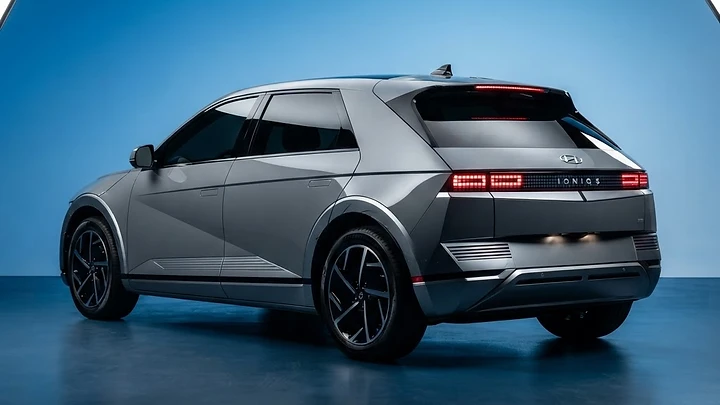

The Hidden Costs of 'All-Inclusive' Convenience Transparency is the cornerstone of the Carummah philosophy, and we must be honest about the 'all-inclusive' marketing.
Insurance experts warn that subscription-bundled policies may not always match the coverage limits of a personal policy you source yourself. Before signing up, verify the liability limits and the deductible structure. Furthermore, consider the 'usage' factor. If you are a high-mileage driver, subscription plans can become prohibitively expensive, as most providers cap mileage at 1,000 to 1,500 miles per month. If you exceed these limits, the per-mile fees can quickly erode any savings you thought you were gaining by avoiding a traditional purchase. 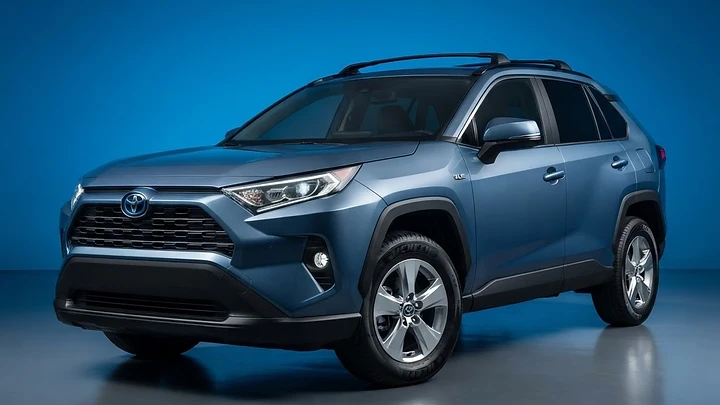

Is Your Next Car a Subscription?
For many, the subscription model is the perfect 'test drive' for the electric future. If you are curious about the 2026 Hyundai Ioniq 5 or the latest Kia EV6 but are nervous about long-term battery health or charging infrastructure, a six-month subscription allows you to live with the vehicle in the real world. You can experience the charging reality, the cabin comfort, and the daily range without the permanent commitment of a $45,000 purchase. This is perhaps the most powerful use case for the subscription model in 2026: it turns a high-stakes financial decision into a low-risk lifestyle experiment. 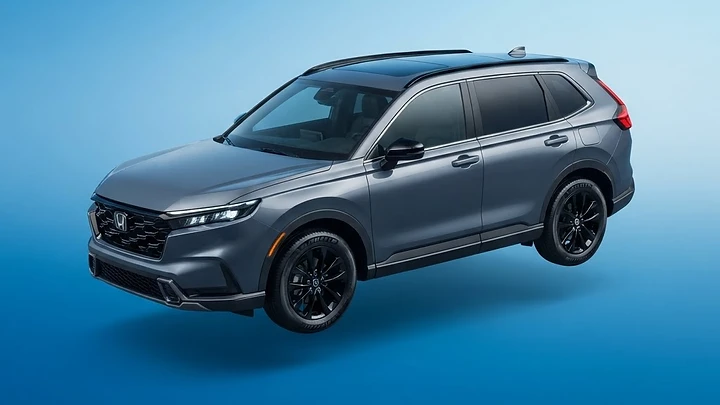

Frequently Asked Questions
Is a car subscription cheaper than buying?
Generally, no. Subscriptions are priced for convenience and flexibility. Over a 3-year period, you will likely pay more for a subscription than you would for a financed vehicle, but you avoid the risks of depreciation and maintenance costs.
Can I cancel a subscription anytime?
Most providers offer month-to-month flexibility, but always check for 'early termination' fees or minimum commitment periods. Some plans require a 30-day notice to cancel.
Does the subscription include insurance?
Yes, most subscription services bundle insurance, maintenance, and roadside assistance. However, always review the policy to ensure the coverage limits meet your personal needs.
Who is the ideal candidate for a car subscription?
People who move frequently, those who want to test-drive new technology like EVs, or individuals who prefer a single, predictable monthly bill without the hassle of managing repairs and insurance renewals.
The Bottom Line If you value stability and long-term equity, traditional buying remains the gold standard.
However, if your life is in a state of flux, or if you want to experience the latest automotive tech without the 'buyer's remorse' of a bad purchase, a car subscription is a brilliant, modern tool. Treat it as a service, not an investment, and you will find the freedom you are looking for.
The cars in this story
The real price and honest verdict on each one
- 2026 Honda CR-VCompact SUV · from $30,920
- 2026 Toyota RAV4Compact SUV · from $31,900
- 2026 Kia EV6Compact SUV · from $37,900
More car news

Best Midsize 3-Row SUVs 2026: The Honest Buyer’s Guide
Searching for the perfect family hauler? Discover the best midsize 3-row SUVs of 2026, balancing space, fuel efficiency, and value for your growing tribe.

Luxury SUVs With Best Resale Value: The 2026 Honest Guide
Discover which luxury SUVs hold their value best in 2026. We break down depreciation, reliability, and the true cost of ownership for smart buyers.

Car Ambient Lighting: Is This Tech Worth It in 2026?
Is car ambient lighting just a gimmick or a genuine upgrade? We break down the 2026 market, costs, and whether this tech adds real value to your daily drive.