Is an Extended Car Warranty Worth It? The 2026 Truth
Considering an extended car warranty? We break down the 2026 costs, risks, and whether these service contracts actually protect your wallet or drain it.
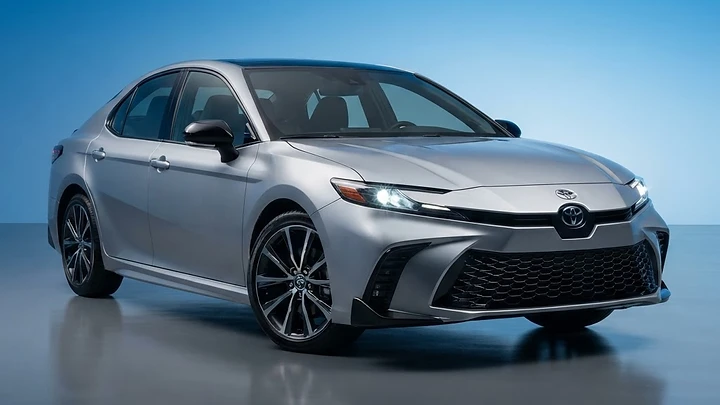
There is a specific, quiet magic to the moment you pull a new vehicle off the lot. The scent of fresh upholstery, the crisp response of a brand-new engine, and the open road stretching out before you—it is a feeling of pure, unadulterated possibility. Yet, as the miles tick by and the factory warranty begins to fade into the rearview mirror, that sense of wonder can be replaced by a nagging anxiety: what happens when the unexpected mechanical failure strikes? This is where the industry of extended car warranties, or vehicle service contracts, steps in, promising to shield you from the financial sting of repairs. But in 2026, is an extended car warranty worth it, or is it just another layer of dealership pressure you don't need?
Understanding the Difference: Warranty vs.
Service Contract It is vital to start with a clear distinction: an extended warranty is not the same as the factory warranty that comes with your vehicle. A true manufacturer warranty is a promise from the automaker to cover defects in materials or workmanship. What you are often sold at the finance desk is a vehicle service contract—a third-party insurance product that acts as a repair fund. In 2026, these contracts typically cost between $70 and $180 per month, or a total of $1,500 to $4,000 for a full term. Before you sign, remember that you are essentially betting against the reliability of your own car. If you drive a notoriously reliable vehicle like a 2026 Toyota Camry or a 2026 Honda CR-V, the statistical likelihood of needing a $3,000 repair in the first few years is significantly lower than if you are driving a complex, high-performance luxury machine. 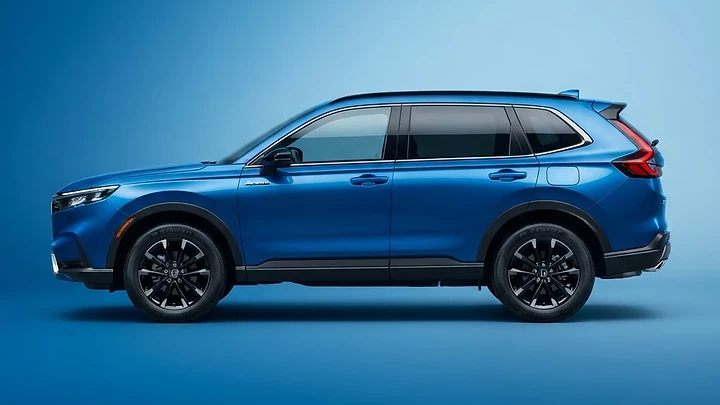
When Does an Extended Warranty Make Financial Sense?
There are specific scenarios where these contracts transition from a "maybe" to a "must-have." If you are purchasing a luxury vehicle, such as a 2026 BMW 5 Series, the math changes drastically. Luxury cars are marvels of engineering, but their repair costs are often 2-3 times higher than mainstream brands. A single timing chain or complex sensor failure on a German luxury sedan can easily exceed $4,000. In this context, a service contract acts as a hedge against catastrophic repair bills. Furthermore, if you are buying a used car with 60,000 to 80,000 miles, you are inheriting the wear and tear of a previous owner. In these cases, having a safety net can provide genuine peace of mind, provided the contract covers major powertrain components. 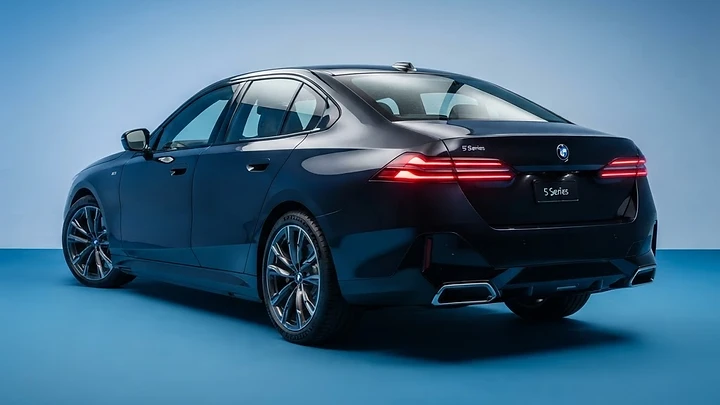

The Hidden Traps of Third-Party Contracts Not all service contracts are created equal.
The most common mistake buyers make is failing to read the fine print regarding "covered components." Many plans exclude the very items that are most likely to fail as a car ages, such as infotainment systems, advanced driver-assistance sensors, or specific electrical modules. Additionally, some providers may require you to use specific "network" repair shops, which might not be your preferred local mechanic. Always ask: Is there a deductible? Does the contract cover diagnostic fees? And most importantly, is the provider financially stable? A contract is only as good as the company backing it, and if they go out of business, your "protection" vanishes overnight. 

The DIY Alternative: The "Repair Fund" Strategy For many drivers, the smartest financial move is to skip the third-party contract entirely and build your own "repair fund." If you take that $100 monthly payment you would have spent on a warranty and deposit it into a high-yield savings account, you will have $3,600 after three years. If your car remains reliable—which is the case for most modern vehicles—you keep that money. If a repair is needed, you have the cash ready to pay for it without the hassle of claims adjusters, denied coverage, or deductibles. This strategy puts you in control, not a third-party insurance company. 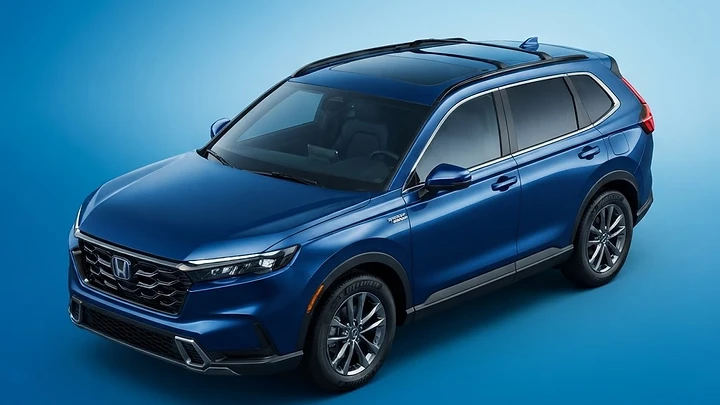

Frequently Asked Questions
Can I buy an extended warranty after I leave the dealership?
Yes. You are not required to purchase a service contract at the time of sale. In fact, you can often wait until your factory warranty is nearing its end to decide if you still want coverage. #
Does an extended warranty cover routine maintenance?
Generally, no. Most service contracts cover mechanical breakdowns, not oil changes, tire rotations, or brake pad replacements. Always verify if your plan includes "wear and tear" items. #
What is the biggest risk with third-party warranties?
The biggest risk is the "denied claim." Many contracts have strict requirements for maintenance records. If you cannot prove you followed the manufacturer's service schedule, the provider may deny your repair claim, leaving you with the bill.
The Bottom Line For the vast majority of buyers, an extended car warranty is not a smart financial investment.
If you are buying a reliable, mainstream vehicle, your money is better spent in a personal emergency fund. However, if you are purchasing a high-mileage used vehicle or a complex luxury car with a history of expensive electrical issues, a manufacturer-backed extended warranty can provide valuable protection. Always shop around, read the exclusions, and never feel pressured to sign at the dealership. Your peace of mind should come from a well-maintained car, not a piece of paper.
The cars in this story
The real price and honest verdict on each one
- 2026 BMW 5 SeriesMid-Size Sedan · from $59,375
- 2026 Honda CR-VCompact SUV · from $30,920
- 2026 Toyota CamryMid-Size Sedan · from $28,850
More car news

Luxury Sedans 2026: The Honest Buyer’s Guide to Value
Are luxury sedans worth the investment in 2026? We break down the real costs, reliability, and performance to help you choose the right premium vehicle.

Manual Transmission Cars 2026: The Honest Buyer’s Guide
Is the stick shift extinct? We break down every new manual transmission car you can buy in 2026, helping you decide if three pedals are still right for you.

Best Off-Road SUVs 2026: Your Honest Buyer’s Guide
Looking for the best off-road SUVs in 2026? We break down the most capable, reliable, and value-packed models for your next adventure without the dealer fluff.