Lease vs. Buy: The 2026 Guide to Making the Right Choice
Deciding between leasing and buying in 2026? Discover the financial realities, hidden costs, and long-term value to help you choose the best path for you.
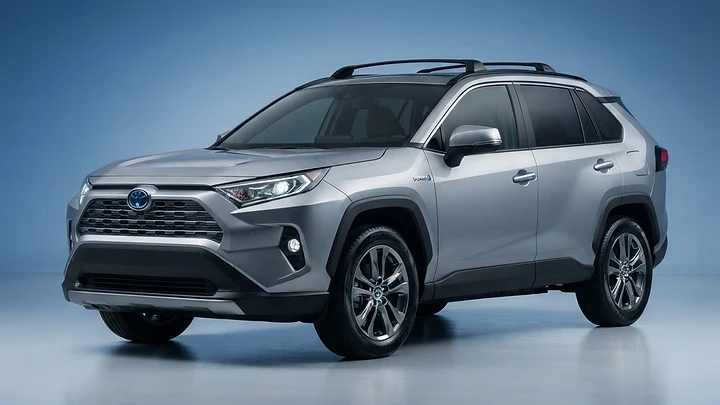
There is a specific, quiet magic to the moment you pull a new vehicle off the lot. The scent of fresh materials, the crisp responsiveness of brand-new engineering, and the promise of thousands of miles of open road ahead—it is a feeling that defines the American automotive experience. Yet, in 2026, the path to that driver’s seat is more complex than ever. With average new-vehicle financing amounts hitting record highs of $44,664 and monthly payments averaging $787, the decision to lease or buy is no longer just about preference; it is a critical financial strategy. Whether you are eyeing a reliable daily driver like the Toyota RAV4 or a sophisticated family hauler like the Honda CR-V, understanding the math behind your monthly commitment is the first step toward true ownership confidence.
The Financial Reality of Buying in 2026 Buying a vehicle remains the gold standard for long-term value.
When you finance a car, every payment you make—no matter how painful—is a step toward total ownership. Once that final loan payment is cleared, you possess an asset. In a market where vehicle longevity is improving, keeping a car for 8 to 10 years can save you tens of thousands of dollars compared to the perpetual cycle of monthly payments. However, buying requires a higher barrier to entry. With interest rates holding steady around 7%, the total interest paid over the life of a loan has reached record levels. If you choose to buy, focus on the 'total cost of ownership' rather than just the monthly payment. A 2026 Toyota Camry, for instance, offers exceptional reliability, making it a prime candidate for long-term ownership that pays dividends once the loan is satisfied. 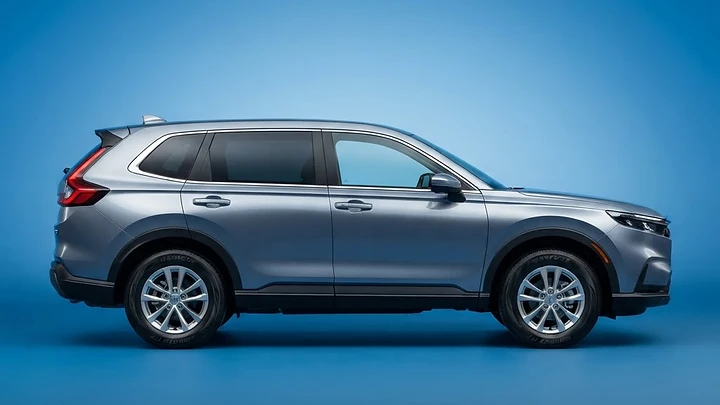
Why Leasing Might Fit Your Lifestyle Leasing is often misunderstood as 'renting,' but in 2026, it serves as a powerful tool for those who prioritize predictable costs and modern technology.
When you lease, you are essentially paying for the vehicle's depreciation over a set term, typically 36 months. This often results in lower monthly payments compared to a traditional loan for the same vehicle. For families who need the latest safety features—like the advanced driver-assistance systems found in the 2026 Hyundai Tucson—leasing allows you to upgrade to the newest tech every three years without the hassle of selling or trading in a used vehicle. It is a 'worry-free' approach, provided you stay within your mileage limits and maintain the vehicle’s condition. 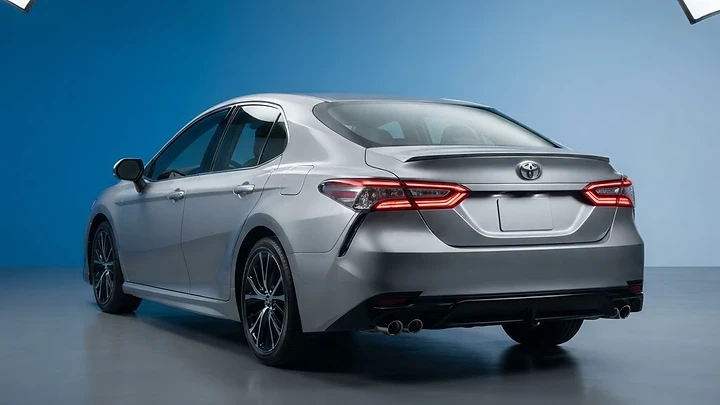

The Hidden Costs of Long-Term Loans A concerning trend in 2026 is the rise of 84-month loan terms, which now account for over 25% of new-vehicle purchases.
While these long terms lower your monthly payment, they keep you 'upside down'—owing more than the car is worth—for a significant portion of your ownership. If you find yourself needing to trade in a vehicle after only three years of an 84-month loan, you will likely be rolling negative equity into your next purchase, creating a cycle of debt that is difficult to break. Before signing, always calculate the total interest cost. If the math shows you will be paying thousands in interest, a shorter loan term or a lease might be the more transparent, honest choice for your budget. 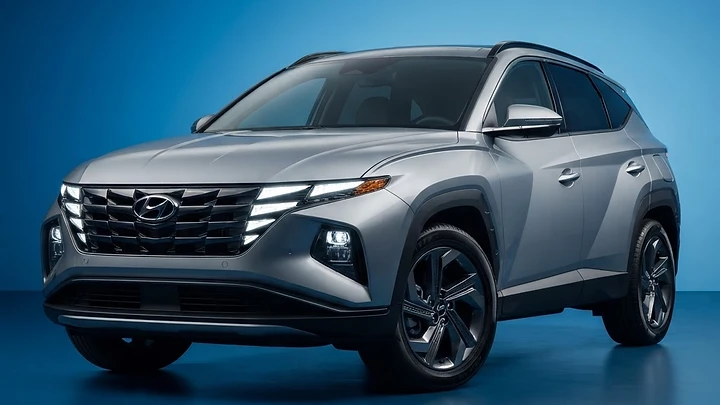

Evaluating Your End-of-Lease Options If you choose to lease, your journey doesn't end when the contract does.
You have options: return the vehicle, purchase it at the residual value, or trade it in. In some cases, if the vehicle’s market value is higher than the buyout price, you may have positive equity that you can capture. Always compare your lease payoff quote with the current market value of your car before making a decision. This transparency ensures you aren't leaving money on the table, a common mistake that many buyers make when they simply drop off the keys at the dealership. 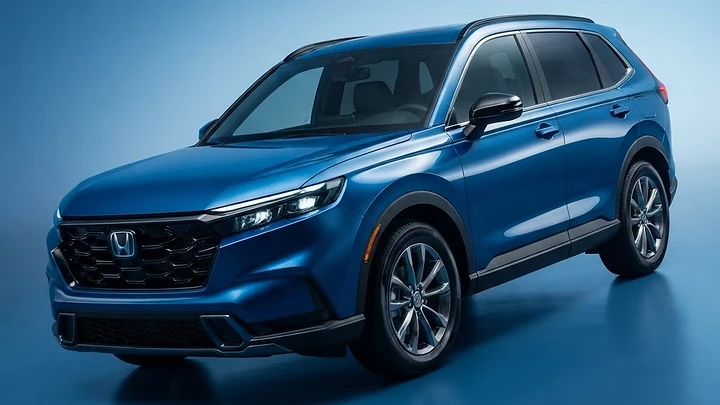

Frequently Asked Questions Is it ever cheaper to lease than to buy? Leasing can be cheaper in the short term due to lower monthly payments, but buying is almost always cheaper in the long term because you eventually eliminate the monthly payment entirely. What happens if I go over my mileage limit on a lease? You will typically be charged a per-mile fee, often ranging from $0.15 to $0.30 per mile. If you anticipate high mileage, buying is usually the safer financial bet. Can I negotiate a lease? Yes. You can negotiate the capitalized cost (the price of the car), the residual value, and the money factor (the interest rate). Never assume the first offer is the best one. What is 'negative equity' and why should I care? Negative equity occurs when you owe more on your loan than the car is worth. It is a major risk with long-term loans (72+ months) and can trap you in a cycle of debt if you need to replace your car early.
The Bottom Line The 'right' choice depends entirely on your financial goals.
If you want to build equity and drive a vehicle for a decade, buy a reliable model and pay it off as quickly as your budget allows. If you value the flexibility of driving a new car with the latest safety tech every three years and prefer a predictable monthly expense, leasing is a valid, strategic choice. Regardless of your path, avoid the trap of stretching loan terms to 84 months. Stay informed, check the total cost of interest, and always prioritize your long-term financial health over a lower monthly payment.
The cars in this story
The real price and honest verdict on each one
- 2026 Toyota CamryMid-Size Sedan · from $28,850
- 2026 Hyundai TucsonCompact SUV · from $29,450
- 2026 Honda CR-VCompact SUV · from $30,920
- 2026 Toyota RAV4Compact SUV · from $31,900
More car news

Luxury SUVs With Best Resale Value: The 2026 Honest Guide
Discover which luxury SUVs hold their value best in 2026. We break down depreciation, reliability, and the true cost of ownership for smart buyers.


Car Ambient Lighting: Is This Tech Worth It in 2026?
Is car ambient lighting just a gimmick or a genuine upgrade? We break down the 2026 market, costs, and whether this tech adds real value to your daily drive.

Most Reliable Trucks 2026: Your Honest Buyer’s Guide
Searching for the most reliable trucks in 2026? We break down real-world dependability data to help you find a pickup that works as hard as you do.