Lease vs. Buy: The 2026 Guide to Your Best Financial Move
Deciding between leasing or buying a car in 2026? We break down the costs, pros, and cons to help you make the smartest financial choice for your lifestyle.
There is a specific kind of magic in the first mile of a new car’s life. The scent of pristine materials, the crisp responsiveness of a brand-new engine, and the quiet confidence of knowing you are the first to chart its path across the horizon. Yet, for the modern American buyer, that feeling is often shadowed by the complex math of the 2026 market. Whether you are eyeing a fuel-efficient commuter or a rugged family hauler, the question remains: should you commit to the long-term investment of ownership, or embrace the flexibility of a lease?
The Reality of Leasing in 2026 Leasing has evolved from a niche luxury into a mainstream strategy, accounting for nearly 24% of new vehicle transactions in 2026.
When you lease, you are essentially paying for the vehicle's depreciation over a set term—typically 24 to 36 months—rather than the full purchase price. This often results in lower monthly payments compared to a traditional auto loan. For instance, while a loan for a popular compact SUV might demand $631 per month, a lease on a similar model can often be secured for under $490. However, it is vital to remember that at the end of the term, you return the keys. You are paying for the privilege of driving the newest technology without the long-term commitment of an asset that eventually requires out-of-warranty repairs. 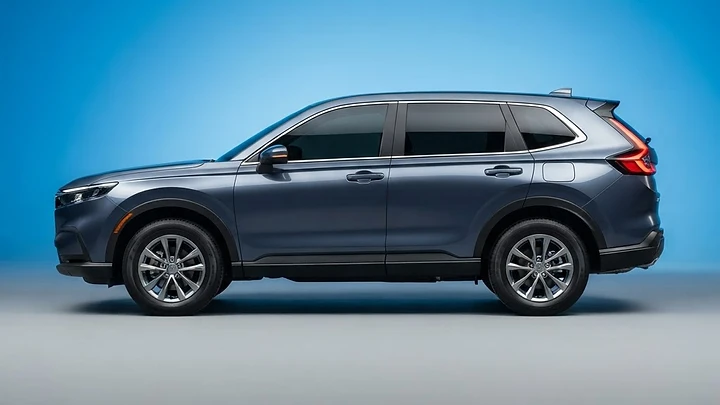
Why Buying Still Rules the Long Game Purchasing a vehicle remains the gold standard for those who view their car as a long-term asset.
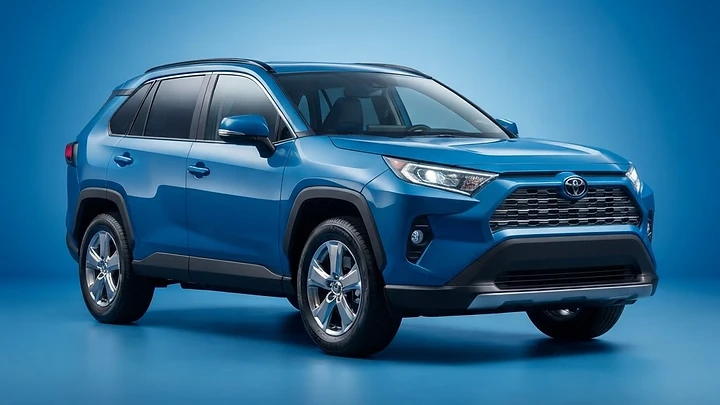
When you finance a 2026 Toyota RAV4 or a Honda CR-V, every payment you make builds equity. Once the loan is satisfied, the monthly payments vanish, leaving you with a reliable vehicle that you own outright. This path is ideal for high-mileage drivers who exceed the typical 10,000 to 15,000-mile annual limits found in most lease contracts. If you love the idea of customizing your ride, keeping it for a decade, or passing it down to a family member, buying is the only path that offers true freedom from mileage penalties and wear-and-tear fees. 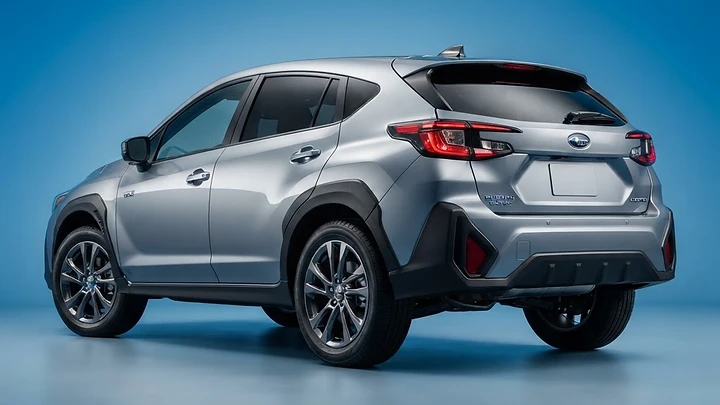

Comparing Costs: The Hidden Math When you sit down to compare, look beyond the monthly payment.
A lease might look attractive at $289 per month for a 2026 Toyota RAV4, but you must factor in the 'due at signing' amount—often around $3,999—and the fact that you will have no trade-in value at the end of the three years. Conversely, a loan for the same vehicle might have a higher monthly cost, but you are paying down the principal. In 2026, interest rates and residual values are the two biggest variables. A car that holds its value well, like a Subaru Crosstrek or a Mazda CX-50, often makes for a better lease deal because the manufacturer can subsidize the payment based on that high expected resale value. 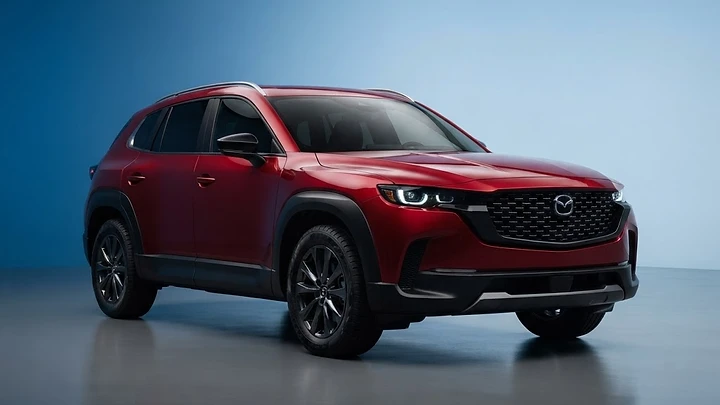

Who Should Choose Which Path?
Your lifestyle is the ultimate deciding factor. If you are a professional who needs a reliable, tech-forward vehicle for client meetings and prefer to upgrade every three years to stay current with safety and infotainment advancements, leasing is a powerful tool. It keeps your cash flow predictable and your vehicle under warranty. If you are a family-focused buyer who plans to put 15,000+ miles on the odometer annually, or if you prefer the peace of mind that comes with a paid-off vehicle sitting in your driveway, buying is the superior choice. Do not let dealership pressure push you into a lease if you know you will be stressed about every scratch or every mile driven. 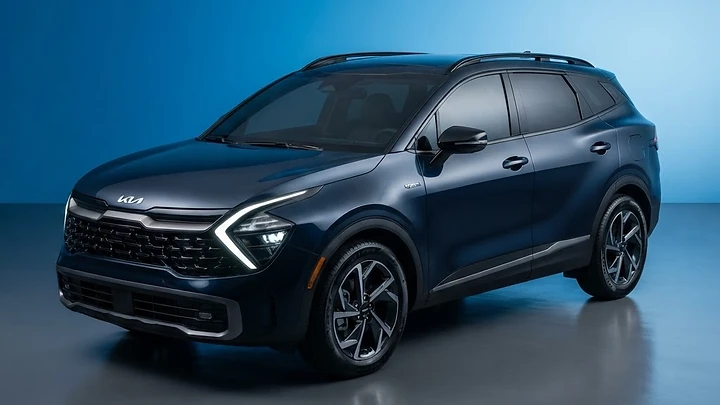

Frequently Asked Questions
Is it ever cheaper to lease than to buy?
In the short term, yes. Leasing offers lower monthly payments because you are only paying for the vehicle's depreciation. However, over a 10-year period, buying and holding a vehicle is almost always more cost-effective than a series of consecutive leases.
What happens if I go over my mileage limit?
Most leases cap you at 10,000 to 15,000 miles per year. If you exceed this, you will be charged a per-mile fee, which can range from $0.15 to $0.30 per mile. Always negotiate your mileage limit upfront if you know you have a long commute.
Can I buy my car at the end of a lease?
Yes. Most lease agreements include a 'residual value' or purchase option. If you fall in love with the car, you can pay that predetermined amount to keep it.
Does a lease cover maintenance?
Generally, no. While the car is under the manufacturer's warranty, you are still responsible for routine maintenance like oil changes, tire rotations, and brake pads, just as you would be if you owned the car.
The Bottom Line The choice between leasing and buying in 2026 comes down to your relationship with your vehicle.
If you value the latest tech, lower monthly payments, and the ability to swap cars every few years, leasing is a fantastic, stress-free option. If you value ownership, long-term savings, and the freedom to drive as much as you want without penalty, buying is the path to take. Evaluate your annual mileage, your monthly budget, and your long-term goals—then choose the path that lets you enjoy the road ahead with total peace of mind.
The cars in this story
The real price and honest verdict on each one
- 2026 Mazda CX-50Off-Road SUV · from $30,300
- 2026 Toyota RAV4Compact SUV · from $31,900
- 2026 Subaru CrosstrekCompact Crossover SUV · from $26,995
- 2026 Honda CR-VCompact SUV · from $30,920
More car news

Luxury Sedans 2026: The Honest Buyer’s Guide to Value
Are luxury sedans worth the investment in 2026? We break down the real costs, reliability, and performance to help you choose the right premium vehicle.

Manual Transmission Cars 2026: The Honest Buyer’s Guide
Is the stick shift extinct? We break down every new manual transmission car you can buy in 2026, helping you decide if three pedals are still right for you.

Best Off-Road SUVs 2026: Your Honest Buyer’s Guide
Looking for the best off-road SUVs in 2026? We break down the most capable, reliable, and value-packed models for your next adventure without the dealer fluff.