Lease vs. Buy: The 2026 Honest Guide to Your Next Car
Deciding between leasing and buying in 2026? We break down the real costs, monthly payments, and long-term value to help you make the smartest financial choice.
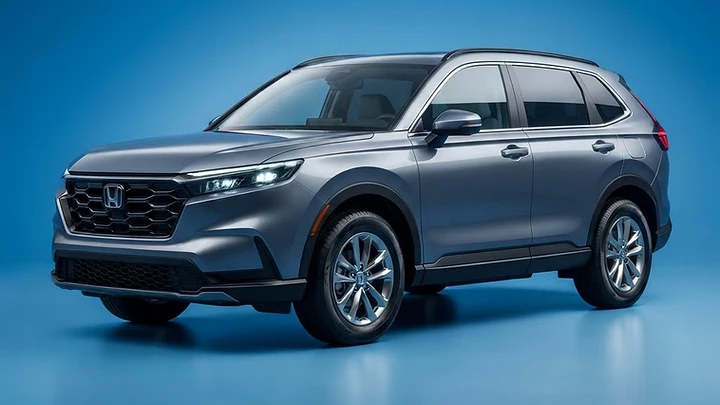
There is a specific, quiet magic to the first time you pull a new car out of the dealership lot. The scent of fresh materials, the crisp responsiveness of a brand-new engine, and the open road stretching out before you—it is a moment of pure possibility. But before that feeling takes hold, every American car buyer faces the same daunting crossroads: should you lease or buy? In 2026, with average new-vehicle financing reaching record highs of $44,664, the decision is more than just a preference; it is a critical financial strategy. Whether you are eyeing a reliable commuter like the 2026 Honda CR-V or a premium SUV, understanding the mechanics of your contract is the only way to protect your hard-earned money from unnecessary pressure.
The Reality of Monthly Payments in 2026 For many, the allure of leasing is simple: lower monthly payments.
As of Q2 2026, the average lease payment sits at approximately $617, while the average loan payment for a new vehicle has climbed to $765. When you lease, you are essentially paying for the vehicle's depreciation over a set term—usually 36 months—rather than the full purchase price. This can make a more expensive, feature-rich vehicle feel accessible on a monthly budget. However, it is vital to remember that at the end of those three years, you return the keys. You have paid for the privilege of driving, but you have built zero equity. 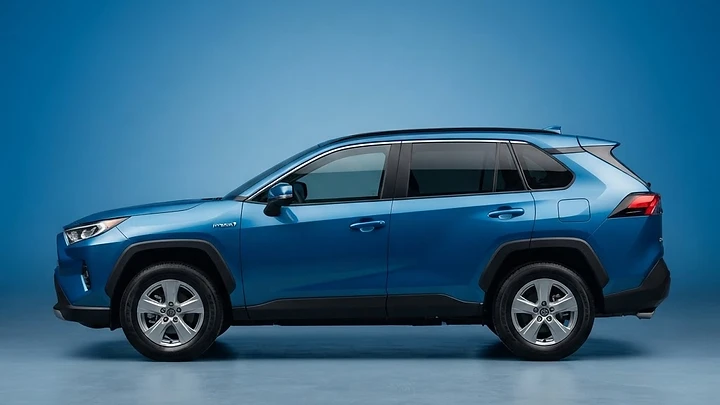
Why Buying Remains the Gold Standard for Long-Term Value If your goal is to eventually stop making payments, buying is the only path forward.
When you finance a vehicle, every payment brings you closer to full ownership. Once the loan is satisfied, you own an asset that retains value. Even if you decide to trade it in later, that equity can serve as a significant down payment on your next vehicle. For those who drive high mileage—typically over 12,000 to 15,000 miles per year—buying is almost always the smarter choice. Lease contracts come with strict mileage caps, and the penalties for exceeding them can be steep, often costing you thousands at the end of your term. 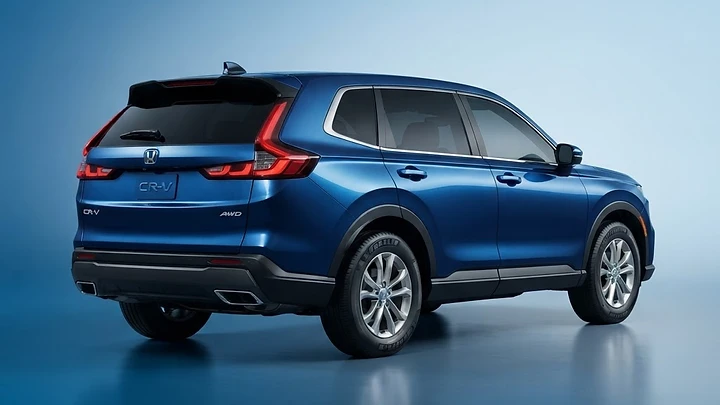

The Hidden Risks: Negative Equity and Depreciation One of the most dangerous traps in 2026 is the "upside-down" loan, or negative equity.
This happens when you owe more on your car than it is actually worth. With more than one in four buyers now stretching their loans to 84 months or longer, the risk of being underwater is higher than ever. If you total your car while in this position, your insurance payout might not cover the remaining balance of your loan. Leasing offers a unique safety net here: because you are not responsible for the vehicle's long-term depreciation, you are generally protected from market fluctuations that might tank the resale value of your car. 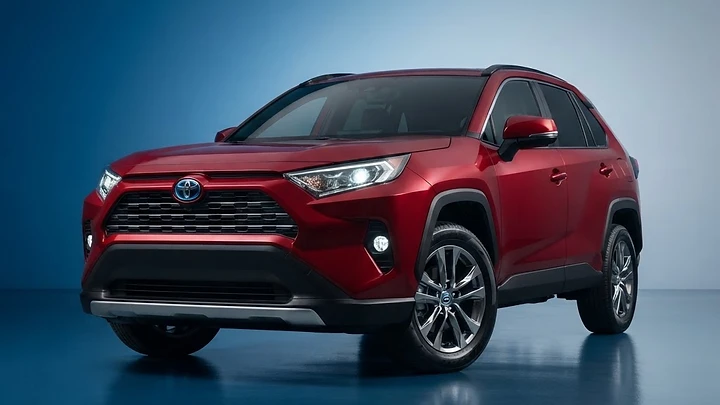

Making the Decision: Which Path Fits Your Life?
To choose correctly, look at your lifestyle. Do you crave the latest tech, safety features, and a new car every three years? Leasing allows you to stay under warranty and avoid the maintenance costs that often arise as a vehicle ages. Conversely, if you view your car as a long-term tool for your family—something to be maintained, driven for a decade, and eventually passed down—buying is the clear winner. Consider the 2026 Toyota RAV4; it is a vehicle known for longevity. If you buy it, you are investing in a machine that will likely serve you well long after the final loan payment is made. 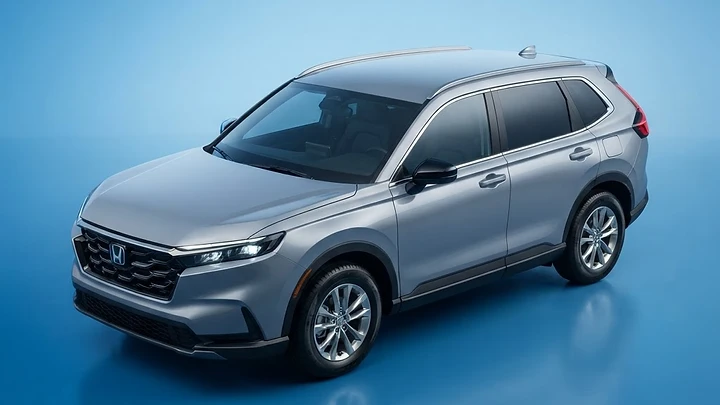

Frequently Asked Questions
Is it ever cheaper to lease than to buy?
In the short term, yes. Because lease payments are based on depreciation rather than the full vehicle price, your monthly cash flow will be higher. However, over a 6-10 year period, buying and holding a vehicle is almost always cheaper. #
What happens if I go over my mileage limit on a lease?
You will typically be charged a per-mile fee, which can range from $0.15 to $0.30 per mile. If you know you drive a lot, always negotiate a higher mileage allowance upfront. #
Can I buy my car at the end of a lease?
Yes. Most leases have a "residual value" set at the start. If you love the car, you can pay that amount to purchase it outright, effectively turning your lease into a long-term ownership plan. #
Does leasing protect me from repair costs?
Most leases last for 36 months, which usually aligns with the manufacturer's bumper-to-bumper warranty. This means you are rarely responsible for major mechanical repairs, providing predictable monthly expenses.
The Bottom Line If you prioritize low monthly payments and want to drive a new car every three years without worrying about long-term depreciation, leasing is a valid, stress-free option.
However, for the vast majority of American buyers, purchasing remains the superior financial move. By choosing a reliable vehicle, securing a reasonable loan term (ideally 60 months or less), and maintaining the car properly, you build equity and avoid the cycle of perpetual debt. Buy for the long haul, and your future self will thank you.
The cars in this story
The real price and honest verdict on each one
Every model, side by sideMore car news

Luxury Sedans 2026: The Honest Buyer’s Guide to Value
Are luxury sedans worth the investment in 2026? We break down the real costs, reliability, and performance to help you choose the right premium vehicle.

Manual Transmission Cars 2026: The Honest Buyer’s Guide
Is the stick shift extinct? We break down every new manual transmission car you can buy in 2026, helping you decide if three pedals are still right for you.


Best Off-Road SUVs 2026: Your Honest Buyer’s Guide
Looking for the best off-road SUVs in 2026? We break down the most capable, reliable, and value-packed models for your next adventure without the dealer fluff.