Luxury vs Mainstream: Is the Premium Badge Worth It in 2026?
Are luxury cars still worth the premium? Discover why more buyers are choosing mainstream models over luxury brands for better value and reliability in 2026.
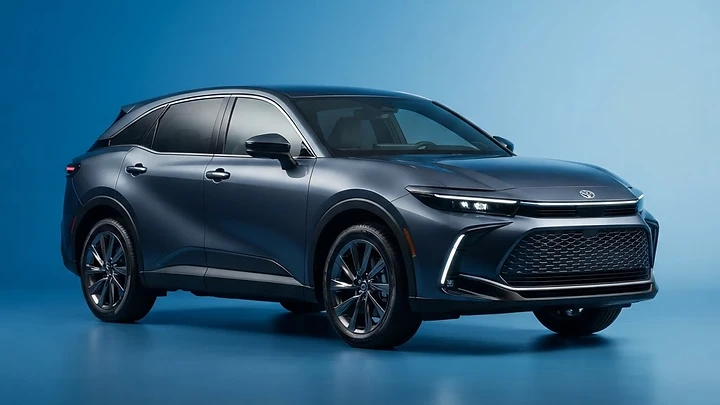
There is a specific, quiet magic to the open road—the way the sunlight catches the hood of a well-engineered machine as you crest a hill, the silence of a cabin that keeps the chaos of the world at bay, and the confidence that comes from knowing your vehicle is ready for whatever the journey demands. For decades, the path to that experience was paved with premium badges. We were taught that luxury meant leather, prestige, and superior engineering. But in 2026, the automotive landscape has shifted beneath our feet. Today, the line between a high-end mainstream vehicle and an entry-level luxury car has blurred to the point of near-invisibility. As a buyer, you are no longer choosing between 'good' and 'great'; you are choosing between a brand name and a smarter financial future.
The Great Mainstream Migration: Why Buyers Are Trading Down Recent market data reveals a fascinating trend: luxury car owners are increasingly trading in their premium SUVs and sedans for mainstream alternatives.
Why? Because the 'luxury gap' has evaporated. When you look at a 2026 Toyota Crown Signia or a top-trim Hyundai Palisade, you aren't just seeing a car; you are seeing a masterclass in value. These vehicles now offer the same acoustic glass, advanced driver-assistance systems, and premium interior materials that were once the exclusive domain of German luxury marques. By opting for a mainstream brand, you aren't sacrificing comfort—you are simply opting out of the 'prestige tax' that comes with a luxury logo. 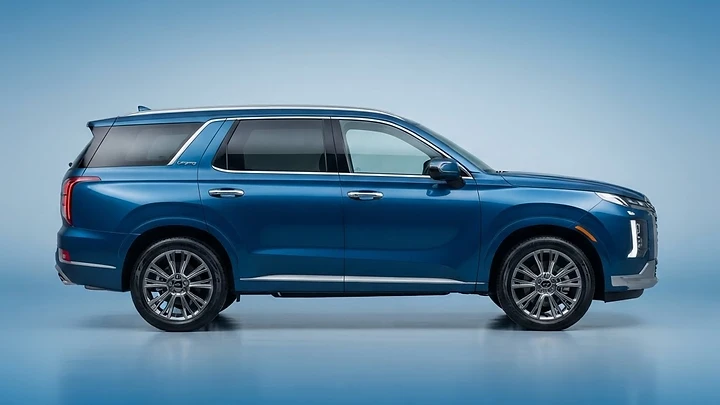
Reliability: The Hidden Cost of Luxury Ownership When you purchase a vehicle, the sticker price is only the opening act.
The true cost of ownership is written in the service department. While luxury brands often boast about performance, they frequently struggle with long-term reliability and the exorbitant cost of specialized parts. Conversely, mainstream leaders like Toyota and Honda continue to set the gold standard for dependability. A 2026 Toyota Camry or a Honda CR-V doesn't just get you from A to B; it does so with a predictable, manageable maintenance schedule that won't keep you up at night. For the average American family, the peace of mind provided by a reliable mainstream vehicle is a luxury in its own right. 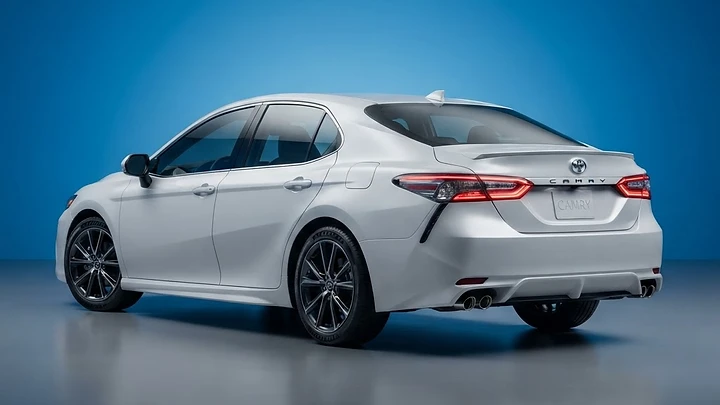

Interior Comfort: The New Benchmark for Mainstream Quality For years, the argument for luxury was centered on the seat—the way it hugged your frame and the quality of the stitching.
However, the 2026 J.D. Power Seat Quality and Satisfaction Study confirms that mainstream automakers have officially closed the gap. In many cases, the ergonomics and comfort levels in mass-market vehicles now exceed those of their premium counterparts. Whether you are commuting through city traffic or embarking on a cross-country road trip, you will find that modern mainstream interiors are designed with a focus on human-centric comfort that rivals the most expensive European sedans. 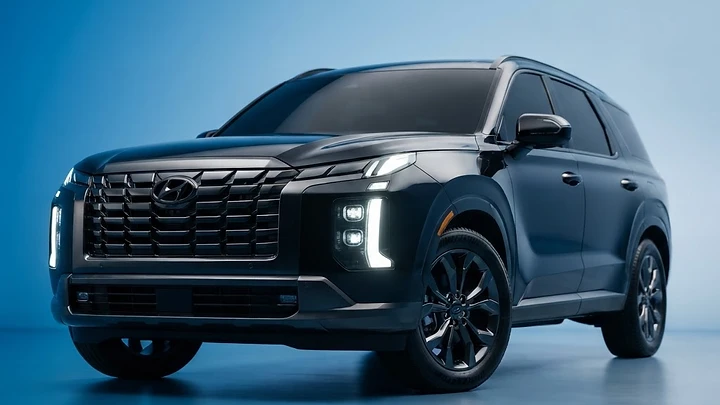

Depreciation: Protecting Your Investment One of the most painful realities of luxury car ownership is the steep depreciation curve.
Luxury EVs, in particular, have seen significant value drops, sometimes retaining less than 30% of their original value after five years. Mainstream vehicles, by contrast, tend to hold their value with remarkable tenacity. When you buy a mainstream car, you are making a sound financial investment. You are buying a tool that serves your life, not a depreciating asset that drains your savings. By choosing a vehicle with strong resale value, you ensure that when it is time to upgrade, you have more equity to put toward your next chapter. 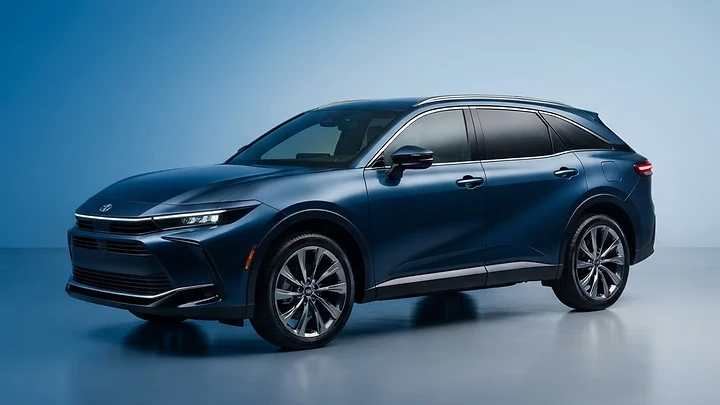

Frequently Asked Questions
Is a luxury car always more expensive to maintain?
Yes, generally. Luxury vehicles require specialized parts and certified technicians, which drive up labor costs significantly compared to mainstream brands. #
Do mainstream cars have the same safety tech as luxury cars?
In 2026, most advanced safety features—like lane-keeping assist, adaptive cruise control, and automatic emergency braking—are standard or widely available on mainstream models. #
Why are luxury buyers switching to mainstream brands?
Buyers are realizing they can get similar levels of comfort, technology, and performance without the high depreciation and maintenance costs associated with premium badges. #
Which mainstream brands offer the best 'luxury-like' experience?
Brands like Toyota, Hyundai, and Volkswagen have been highly successful in creating models that offer premium cabin materials and refined driving dynamics at a mainstream price point.
The Bottom Line The choice between luxury and mainstream is no longer about what you can afford, but what you value.
If you prioritize long-term financial health, reliability, and stress-free ownership, the mainstream market in 2026 offers vehicles that are, quite frankly, better than many luxury alternatives. Don't let a badge dictate your decision. Test drive the mainstream options, feel the quality for yourself, and keep your hard-earned money where it belongs: in your pocket.
The cars in this story
The real price and honest verdict on each one
- 2026 Hyundai PalisadeMid-Size SUV · from $39,435
- 2026 Toyota CamryMid-Size Sedan · from $28,850
- 2026 Toyota CrownMid-Size Sedan · from $41,900
- 2026 Toyota Crown SigniaMid-Size SUV · from $43,600
More car news

Luxury Sedans 2026: The Honest Buyer’s Guide to Value
Are luxury sedans worth the investment in 2026? We break down the real costs, reliability, and performance to help you choose the right premium vehicle.

Manual Transmission Cars 2026: The Honest Buyer’s Guide
Is the stick shift extinct? We break down every new manual transmission car you can buy in 2026, helping you decide if three pedals are still right for you.

Best Off-Road SUVs 2026: Your Honest Buyer’s Guide
Looking for the best off-road SUVs in 2026? We break down the most capable, reliable, and value-packed models for your next adventure without the dealer fluff.