Mastering Fuel Economy: The 2026 Smart Buyer’s Guide
Unlock better gas mileage in 2026. Learn how driving habits, maintenance, and smart vehicle choices can save you hundreds at the pump every single year.

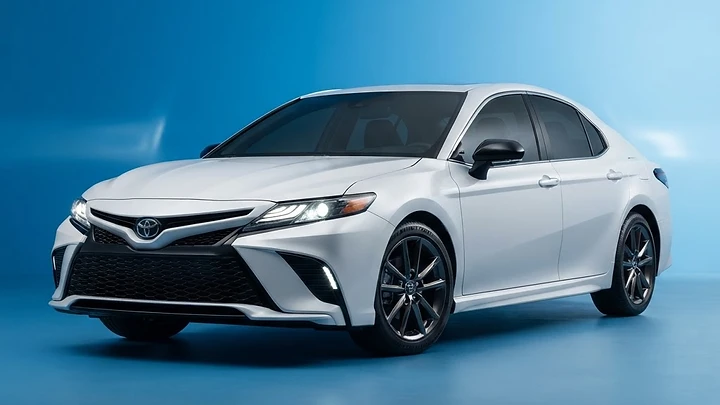
There is a profound, almost rhythmic beauty to the open road—the way a well-engineered machine hums in harmony with the asphalt, turning a simple commute into a moment of pure mechanical grace. Yet, for many American families, that sense of wonder is often interrupted by the harsh reality of rising fuel costs. Mastering fuel economy in 2026 isn't just about pinching pennies; it is about reclaiming your freedom and ensuring that every dollar you spend on fuel translates into miles of memories rather than wasted energy. By understanding the delicate balance between physics and driving behavior, you can transform your daily drive into a masterclass of efficiency.
The Physics of Efficiency: Why Speed Matters
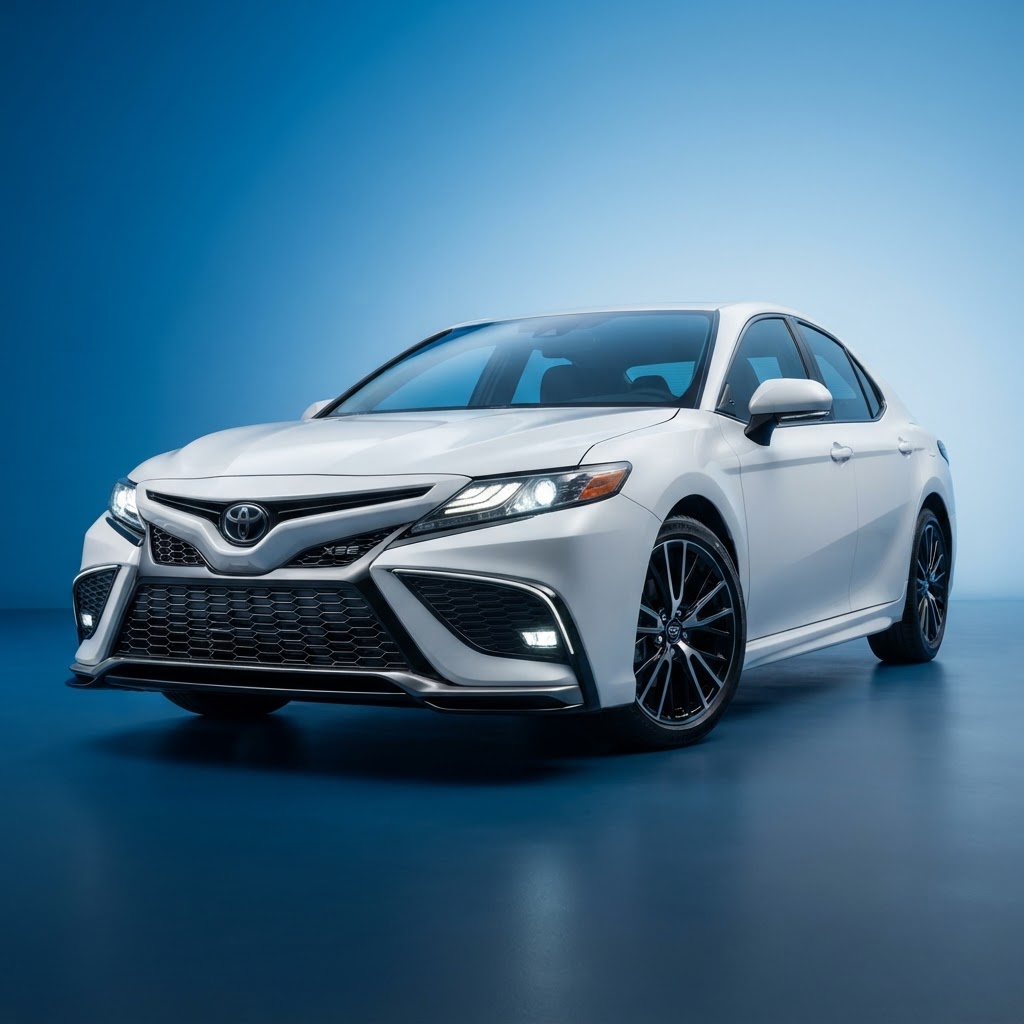
It is a common misconception that modern vehicles are immune to the laws of aerodynamics. In reality, as you push past 50 or 60 mph, your vehicle faces an exponential increase in wind resistance. Research consistently shows that dropping your highway speed from 75 mph to 65 mph can improve your fuel economy by six to seven miles per gallon. For a 2026 Toyota Camry or a similar midsize sedan, this simple adjustment can save you hundreds of dollars annually. Think of it as a trade-off: by slowing down just a fraction, you gain a smoother, quieter cabin experience and a significantly lighter burden on your wallet.
The Art of Gentle Acceleration
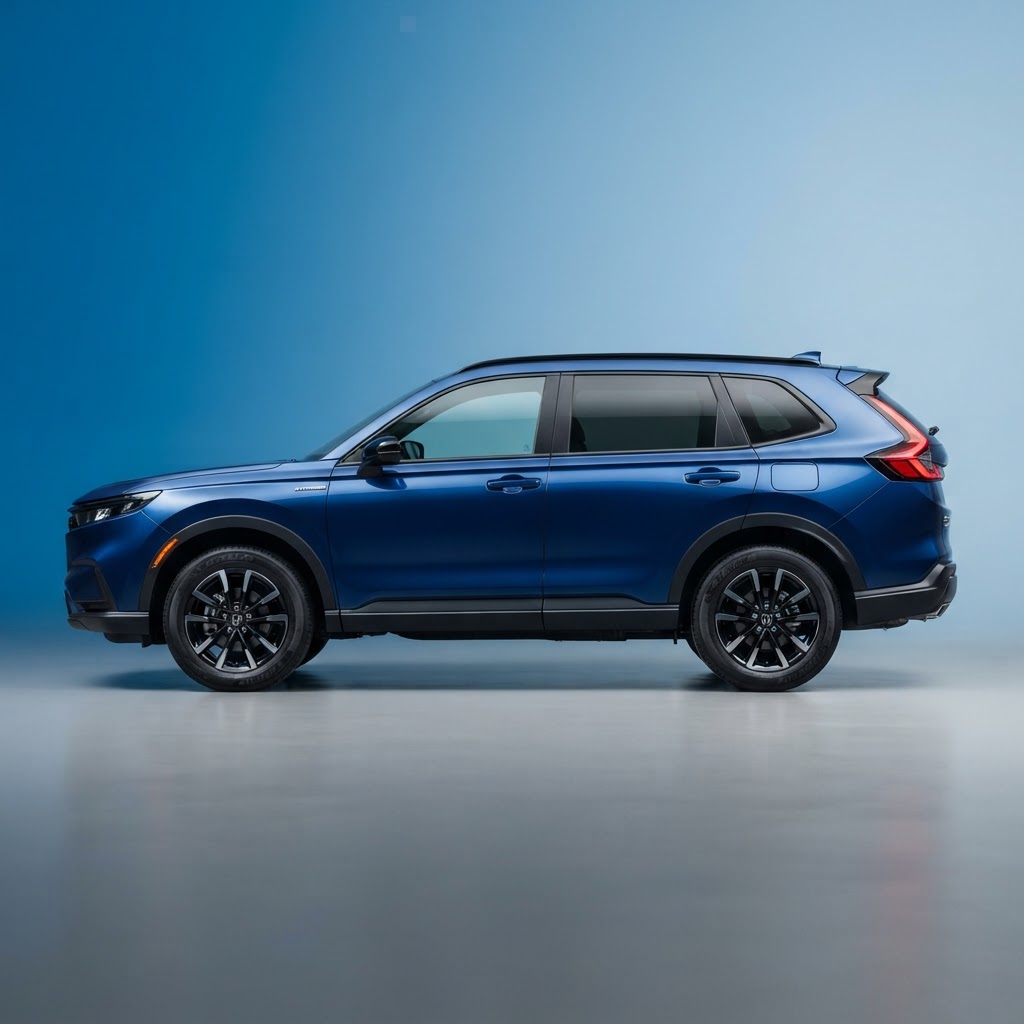
How you treat the accelerator pedal is the single most influential factor in your vehicle's fuel consumption. Imagine there is a fragile egg resting beneath your foot; pressing down with steady, deliberate pressure rather than a heavy, sudden stomp allows the engine to operate within its most efficient power band. Whether you are driving a 2026 Honda CR-V or a larger SUV, gradual acceleration prevents the engine from dumping excess fuel into the cylinders. This isn't just about saving gas—it’s about preserving the longevity of your transmission and brakes, ensuring your vehicle remains a reliable partner for years to come.
Maintenance: The Foundation of Performance
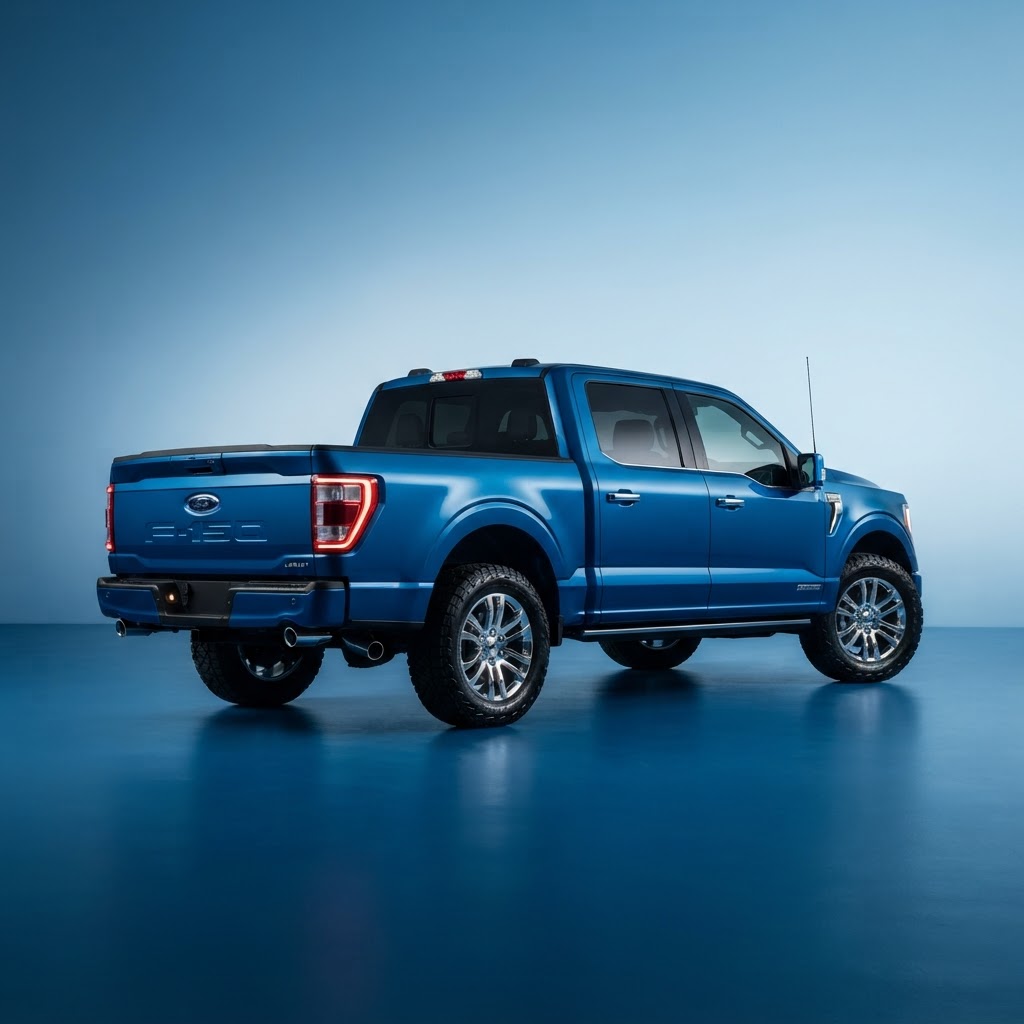
Your car is a complex ecosystem of sensors, fluids, and mechanical parts that rely on one another to function at their peak. Neglecting basic maintenance is the fastest way to watch your fuel efficiency plummet. A vehicle with under-inflated tires, for instance, creates unnecessary rolling resistance, which can lower your gas mileage by up to 3 percent. Furthermore, keeping up with manufacturer-recommended service intervals—such as oil changes and air filter replacements—ensures that your engine isn't working harder than it needs to. A well-maintained 2026 Ford F-150 will always outperform a neglected one, both in capability and in its ability to stretch every gallon of fuel.
Weight and Aerodynamics: Less is More
We often treat our vehicles like mobile storage units, hauling around heavy gear, roof racks, and cargo boxes that we rarely use. However, every 100 pounds of extra weight in your vehicle can reduce your fuel economy by approximately 1 to 2 percent. If you aren't using that rooftop cargo box, take it off. The drag created by an empty rack can cost you up to 5 mpg at highway speeds. By keeping your vehicle lean and clean, you allow the engineering team's hard work to shine through, giving you the efficiency you paid for when you first drove off the lot.
Frequently Asked Questions
Does using 'Top Tier' gas actually improve fuel economy?
While 'Top Tier' gasoline contains detergents that help keep your engine clean and running efficiently over the long term, it does not necessarily provide an immediate, dramatic boost in MPG. However, it is highly recommended for preventing carbon buildup that can eventually degrade performance.
Is it better to idle or turn off the engine while waiting?
If you are going to be stopped for more than 30 seconds, it is generally more fuel-efficient to turn off your engine. Modern vehicles with stop-start technology handle this automatically, but even in older models, avoiding unnecessary idling saves fuel and reduces emissions.
Does cruise control save gas?
Yes, on flat terrain, cruise control is excellent for maintaining a steady speed and avoiding the 'gas-brake' cycle that wastes fuel. However, on hilly terrain, it is often better to control the throttle manually to allow the vehicle to lose a little speed on climbs and gain it back on descents.

The Bottom Line
Mastering fuel economy is a journey of small, intentional habits. It is about respecting the engineering of your 2026 vehicle and recognizing that your driving style is the most powerful tool you have. By maintaining proper tire pressure, accelerating with grace, and shedding unnecessary weight, you aren't just saving money—you are becoming a more mindful, capable driver. Take these steps today, and you will find that the road ahead is not only more affordable but also more rewarding.
More car news

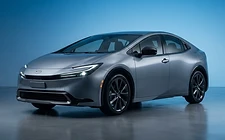
Best Fuel-Efficient Cars 2026: Your Honest MPG Guide
Searching for the best fuel-efficient cars in 2026? We break down the top MPG performers, real-world costs, and how to save at the pump without the pressure.


Best Fuel-Efficient Cars 2026: Your Honest MPG Guide
Searching for the best fuel-efficient cars in 2026? We break down the top MPG performers, real-world costs, and how to save money at the pump today.

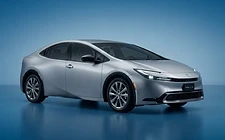
2026 Fuel Economy Guide: How to Save Big at the Pump
Master the 2026 fuel economy landscape. Discover the most efficient cars, SUVs, and hybrids to help you save money and drive smarter this year.