Smart Used Car Buying: Your 2026 Honest Buyer’s Playbook
Buying a used car in 2026 requires more than just a budget. Learn how to navigate the market, avoid hidden traps, and find a reliable vehicle with confidence.
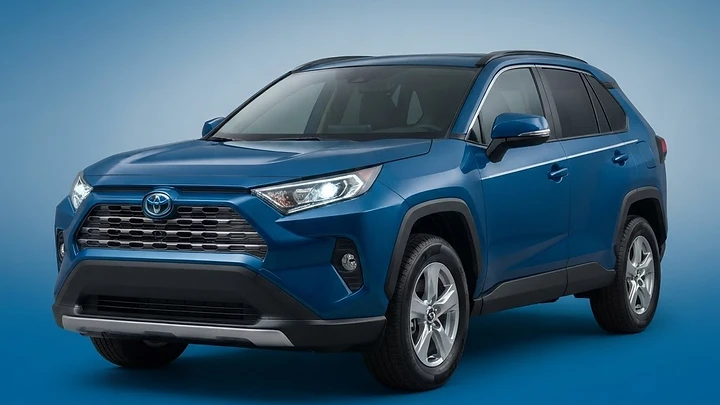
There is a specific kind of magic in finding the right car—the way the light catches the hood as you approach it in the driveway, the promise of open roads, and the quiet confidence that comes from knowing you made a smart, informed decision. For many American families, the journey to a new-to-you vehicle is about more than just transportation; it is about unlocking freedom and reliability without the crushing weight of a new-car payment. In 2026, the used car market is a landscape of both opportunity and hidden complexity, where savvy buyers can secure incredible value if they know exactly where to look and what to avoid.
Defining Your Real Needs Before You Shop Most buyers start their search by looking at a price tag or a specific brand, but the most successful shoppers begin by auditing their own lives.
Are you a daily commuter battling gridlock, or a weekend adventurer needing space for gear? A 2026 Toyota RAV4 might be the gold standard for reliability and fuel efficiency, but if you are hauling a family of five, a slightly older, well-maintained Honda Odyssey could offer far more utility for the same investment. By focusing on your actual lifestyle requirements—cargo space, fuel economy, and safety features—you strip away the emotional marketing and focus on the engineering that serves your daily reality. 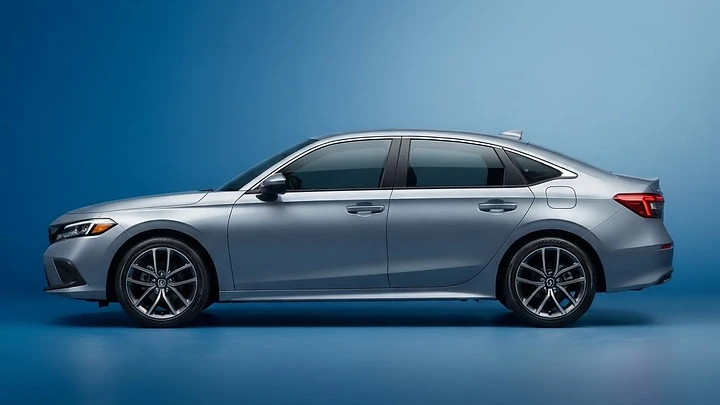
Decoding Listings and Avoiding 'Curbstoners' In 2026, the digital listing is your first line of defense.
A professional, transparent seller will provide a clear VIN, a detailed service history, and high-resolution photos that don't hide the vehicle's condition. Be wary of 'curbstoners'—unlicensed dealers posing as private sellers—who often flip vehicles with undisclosed issues. Always verify the title status and check for open recalls at official government safety sites. If a listing feels too good to be true, or if the seller is evasive about maintenance records, trust your gut and walk away. Your peace of mind is worth more than a 'deal' that turns into a mechanical nightmare. 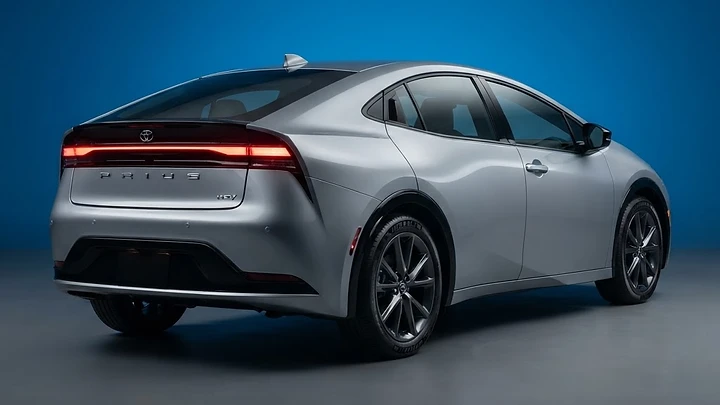

The Power of the Pre-Purchase Inspection Never skip the independent pre-purchase inspection (PPI).
Even if a vehicle is a Certified Pre-Owned (CPO) model from a reputable dealer, an objective set of eyes from a trusted, independent mechanic is the single best investment you can make. A professional inspection can uncover hidden oil leaks, suspension wear, or signs of past collision damage that a quick test drive will never reveal. When you negotiate, use the findings from this report as your data. If the mechanic notes that the tires are at 30% life or the brakes need service, you have a concrete, factual basis to negotiate the price down, rather than haggling based on emotion. 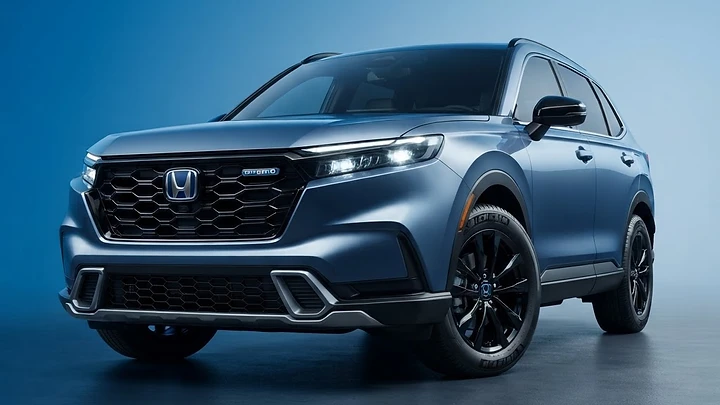

Long-Term Ownership and Maintenance Value When you buy a used car, you are buying the previous owner's maintenance habits.
A vehicle with 100,000 miles that has been meticulously serviced according to the manufacturer's schedule is almost always a better buy than a vehicle with 50,000 miles that has been neglected. Look for models known for longevity, such as the Honda Civic or the Toyota Prius, which have proven track records for surpassing 150,000 miles with basic care. Remember that the 'true cost' of a car includes insurance, fuel, and the inevitable repairs that come with age. Budgeting for these items upfront ensures that your 'new' car remains a source of joy rather than a financial burden. 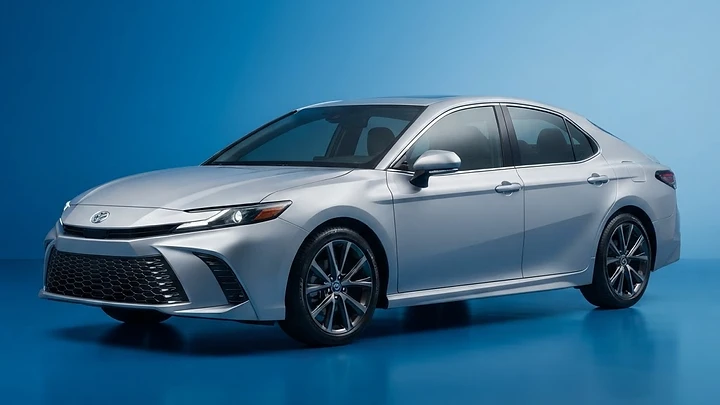

Frequently Asked Questions
What is the most important thing to check before buying a used car?
Always prioritize a documented service history and an independent pre-purchase inspection. Maintenance records are the best predictor of future reliability. #
Is a Certified Pre-Owned (CPO) car worth the extra cost?
CPO vehicles often come with extended warranties and rigorous inspections, providing a safety net that private sales lack. If you value peace of mind and want to avoid immediate repair costs, the premium is often justified. #
How do I know if a used car has been in an accident?
Use the VIN to pull reports from services like CarFax or Experian. Additionally, look for mismatched paint, uneven panel gaps, or signs of overspray during your physical inspection. #
What is a reasonable budget for a used car?
A common rule of thumb is to keep your total monthly transportation costs—including insurance and fuel—under 10-15% of your take-home pay.
The Bottom Line Buying a used car in 2026 is an exercise in patience and data.
By focusing on condition over mileage, insisting on an independent inspection, and staying disciplined with your budget, you can find a vehicle that serves your family for years to come. My recommendation? Look for a 3-to-5-year-old model from a brand with a high reliability rating, ensure it has a clean service history, and never be afraid to walk away if the numbers or the condition don't add up. The right car is out there, and with these tools, you are ready to find it.
The cars in this story
The real price and honest verdict on each one
- 2026 Toyota PriusCompact Sedan · from $28,550
- 2026 Toyota RAV4Compact SUV · from $31,900
- 2026 Toyota CamryMid-Size Sedan · from $28,850
- 2026 Honda OdysseyMinivan · from $42,795
More car news

Best Midsize 3-Row SUVs 2026: The Honest Buyer’s Guide
Searching for the perfect family hauler? Discover the best midsize 3-row SUVs of 2026, balancing space, fuel efficiency, and value for your growing tribe.

Luxury SUVs With Best Resale Value: The 2026 Honest Guide
Discover which luxury SUVs hold their value best in 2026. We break down depreciation, reliability, and the true cost of ownership for smart buyers.


Car Ambient Lighting: Is This Tech Worth It in 2026?
Is car ambient lighting just a gimmick or a genuine upgrade? We break down the 2026 market, costs, and whether this tech adds real value to your daily drive.