Trade-In vs. Private Sale: The 2026 Honest Buyer’s Guide
Deciding between a trade-in and a private sale? Discover how to maximize your vehicle's value in the 2026 market with our transparent, step-by-step guide.
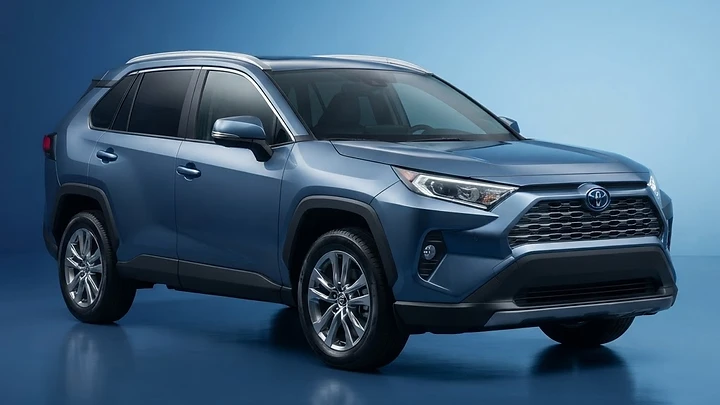
There is a specific, quiet magic to the moment you decide it is time for a new vehicle. It is the promise of a fresh start, the scent of a clean cabin, and the anticipation of the miles ahead. Yet, for most American buyers, that excitement is quickly tempered by the practical reality of what to do with the car currently sitting in the driveway. In 2026, the automotive landscape is shifting, and understanding whether to trade in your vehicle or sell it privately is the single most important financial decision you will make during your upgrade.
The 2026 Market Reality: Why Your Trade-In Matters Now more than ever, your current vehicle is a powerful financial tool.
As of late 2026, the average new car transaction price has drifted above $50,000, making every dollar of equity count. While wholesale vehicle prices have seen a slight dip—with the Manheim Used Vehicle Value Index reflecting a 1% decrease in recent months—the demand for clean, well-maintained used cars remains high. Whether you are looking at a reliable Toyota RAV4 or a rugged Ford F-150, your trade-in equity can act as a significant down payment, potentially lowering your monthly interest burden in a high-rate environment. 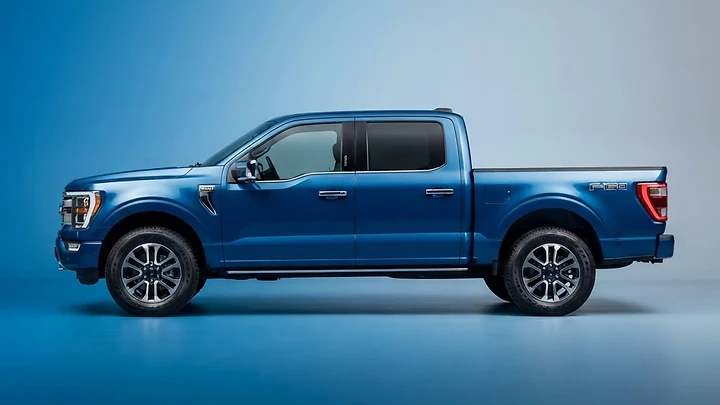
The Case for the Trade-In: Convenience and Tax Benefits The primary advantage of trading in your vehicle at a dealership is, quite simply, time.
In our fast-paced world, the convenience of a "one-stop shop" cannot be overstated. You drive your old car in, and you drive your new one out. Furthermore, many states offer a "sales tax credit" when you trade in a vehicle. If you trade in a car worth $15,000 toward a $40,000 purchase, you may only pay sales tax on the $25,000 difference. This is a hidden financial benefit that private sales simply cannot match. 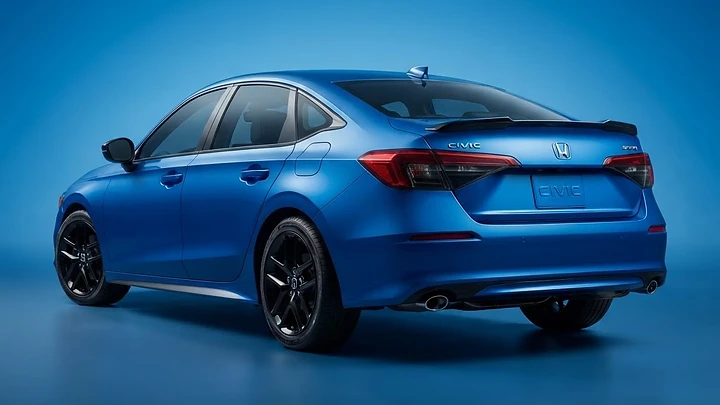

The Private Sale Advantage: Capturing Maximum Equity If your priority is pure profit, a private sale is almost always the winner.
By cutting out the middleman, you avoid the dealer's need to recondition, certify, and profit from your old car. However, this path requires effort. You must handle the marketing, screen potential buyers, and manage the paperwork yourself. If you own a high-demand vehicle like a late-model Honda Civic, the extra effort can net you thousands more than a dealer offer. Always check your car’s value using independent tools like the Kelley Blue Book or Carfax History-Based Value tool before listing it. 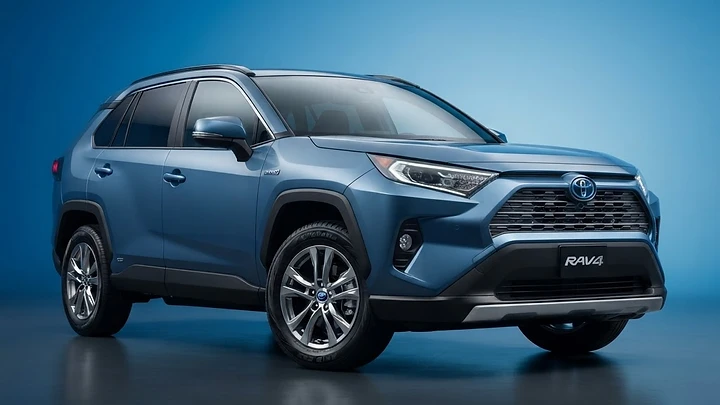

Preparing Your Vehicle for Maximum Return Whether you choose to trade or sell, presentation is everything.
A clean car signals a well-maintained car. Fix minor issues—a burnt-out bulb, a loose trim piece, or a deep interior detail—before showing the vehicle. Dealers and private buyers alike are willing to pay a premium for a car that looks like it has been loved. Remember, even if you still have a loan on your car, you can trade it in. The dealer will simply pay off the remaining balance and apply any positive equity toward your new purchase. 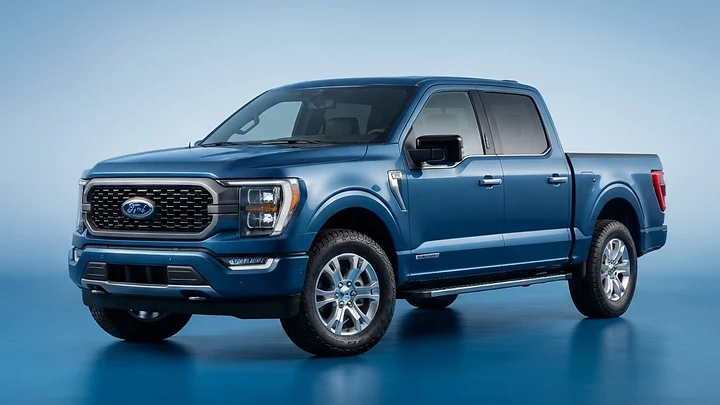

Frequently Asked Questions
Can I trade in a car that still has an active loan?
Yes. The dealership will handle the payoff process with your lender. If your car is worth more than you owe, that "positive equity" is applied as a credit toward your new vehicle. #
Does cleaning my car really increase its trade-in value?
Absolutely. While it won't change the mechanical valuation, a clean, well-presented vehicle gives the appraiser confidence that the car was cared for, which can lead to a more favorable offer. #
Is a private sale always better for my wallet?
Not necessarily. When you factor in the time spent marketing the car, the risk of dealing with strangers, and the potential loss of sales tax credits on your new purchase, a trade-in often provides better "net" value for busy families. #
How do I know what my car is actually worth?
Use multiple online valuation tools like KBB and Carfax. Compare these estimates against local listings for similar vehicles to get a realistic sense of the market price in your specific area.
The Bottom Line The choice between trading in and selling privately comes down to your personal balance of time versus money.
If you value simplicity and want to leverage tax incentives, the trade-in process is your best friend. If you have the time to manage a sale and want to squeeze every cent of equity out of your current ride, go private. Regardless of your choice, do your research, know your equity, and walk into the process with the confidence of an informed buyer.
The cars in this story
The real price and honest verdict on each one
Every model, side by sideMore car news

Luxury Sedans 2026: The Honest Buyer’s Guide to Value
Are luxury sedans worth the investment in 2026? We break down the real costs, reliability, and performance to help you choose the right premium vehicle.

Manual Transmission Cars 2026: The Honest Buyer’s Guide
Is the stick shift extinct? We break down every new manual transmission car you can buy in 2026, helping you decide if three pedals are still right for you.


Best Off-Road SUVs 2026: Your Honest Buyer’s Guide
Looking for the best off-road SUVs in 2026? We break down the most capable, reliable, and value-packed models for your next adventure without the dealer fluff.