Car Paint Protection: Is PPF or Ceramic Coating Worth It?
Confused by car paint protection? We break down the real differences between PPF and ceramic coating to help you protect your vehicle's value in 2026.
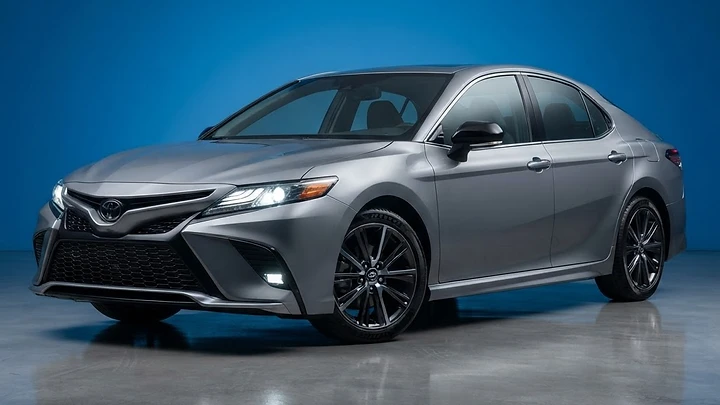
There is a specific, quiet thrill that comes with walking out to your driveway on a crisp morning and seeing your car catch the light just right. Whether it is the sharp lines of a 2026 Toyota Camry or the rugged stance of a Ford F-150, that factory-fresh finish represents more than just metal and paint—it is a symbol of your hard work and the adventures you have yet to take. Yet, the open road is a harsh environment, filled with flying gravel, road salt, and the relentless UV rays that slowly dull your vehicle's luster. Protecting that investment is a top priority for savvy owners, but the market is flooded with conflicting advice. Should you choose Paint Protection Film (PPF) or a ceramic coating? Understanding the difference is the single most important step in maintaining your car's long-term value and aesthetic appeal.
Understanding the Physical Barrier: Paint Protection Film (PPF) Think of Paint Protection Film as a high-tech, invisible suit of armor for your vehicle.
Unlike waxes or sprays, PPF is a thick, thermoplastic urethane film—typically 6 to 8 mil thick—that is professionally applied to your car's exterior. It acts as a sacrificial layer, absorbing the kinetic energy of road debris that would otherwise chip your paint or leave deep gouges. Modern PPF is a marvel of engineering; many variants feature self-healing properties, meaning that light scratches and swirl marks disappear when exposed to heat from the sun or a heat gun. For a 2026 luxury SUV or a high-performance sports car, full-body PPF can cost several thousand dollars, but it is the only true defense against physical road hazards. 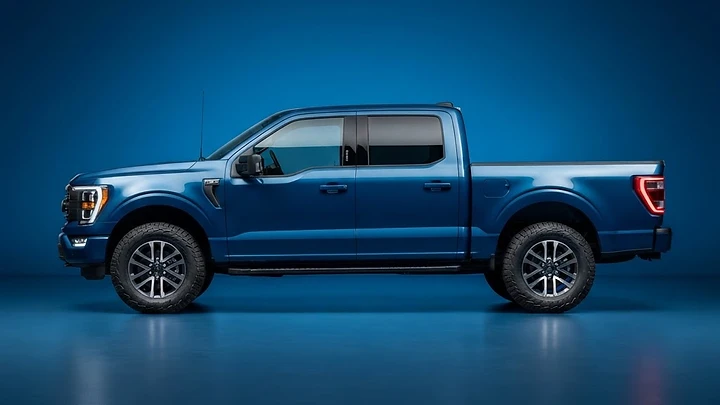
The Chemical Shield: Ceramic Coating Explained If PPF is a physical shield, ceramic coating is a chemical bond.
It is a liquid polymer that, when applied to your vehicle's paint, cures to form a semi-permanent layer that is chemically bonded to the clear coat. This isn't just a wax that washes away in a few months; it is a durable, hydrophobic surface that makes your car incredibly easy to clean. Dirt, bird droppings, and road grime struggle to adhere to the slick surface, often rinsing away with just water. While a ceramic coating provides excellent UV protection and a deep, mirror-like gloss, it is important to be realistic: it cannot stop a rock from chipping your paint. It is a maintenance tool, not a physical barrier. 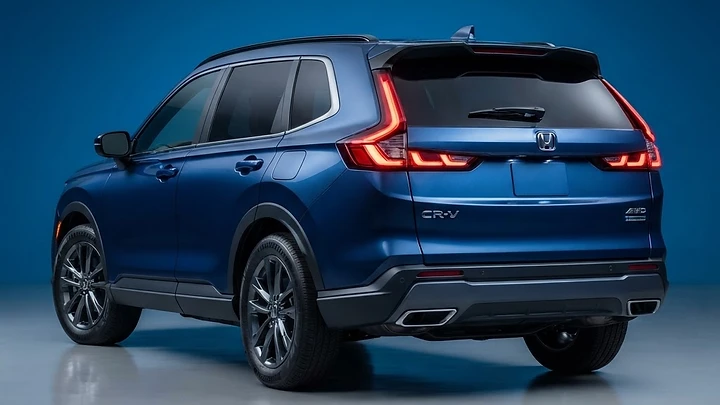

Choosing the Right Protection for Your Lifestyle Your choice should depend on how you use your vehicle.
If you drive a 2026 Honda CR-V on long highway commutes where rock chips are a daily reality, a partial PPF kit—covering the front bumper, hood, and side mirrors—is a wise investment. If your car is a weekend cruiser or you simply want to simplify your wash routine while keeping the paint looking showroom-new, a high-quality ceramic coating is likely the better value. Many owners choose to combine both: applying PPF to high-impact areas and finishing the entire vehicle with a ceramic coating for maximum hydrophobic performance and ease of care. 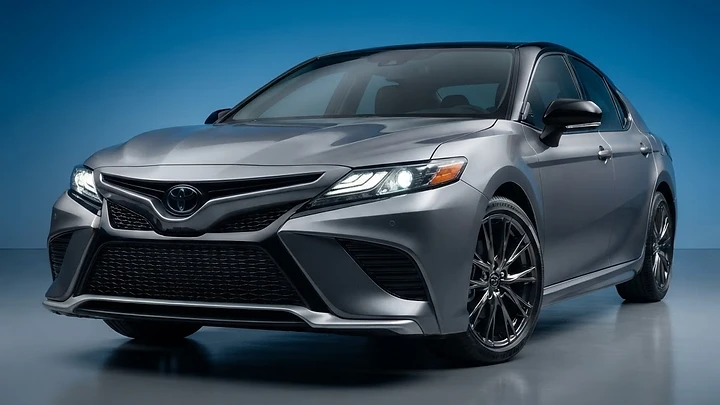

Frequently Asked Questions
Can I apply ceramic coating myself?
Yes, for the mechanically inclined, DIY ceramic kits are available. However, the secret to a perfect finish is in the preparation. You must thoroughly decontaminate and polish the paint before application. If you seal in imperfections, they will be there until the coating wears off.
Does PPF yellow over time?
High-quality, modern urethane films are designed to be UV-stable and resistant to yellowing. Cheaper, older-generation films may discolor, which is why professional installation with reputable brands is critical.
Will these products increase my car's resale value?
While they don't guarantee a specific dollar amount, a well-maintained exterior is a major selling point. A car with pristine, swirl-free paint and a documented history of professional protection will almost always command a higher price at trade-in time.
Can I wax over a ceramic coating?
Generally, no. Waxes and sealants are designed to sit on top of paint. Applying them over a ceramic coating can interfere with the coating's hydrophobic properties and may actually make the car harder to clean. 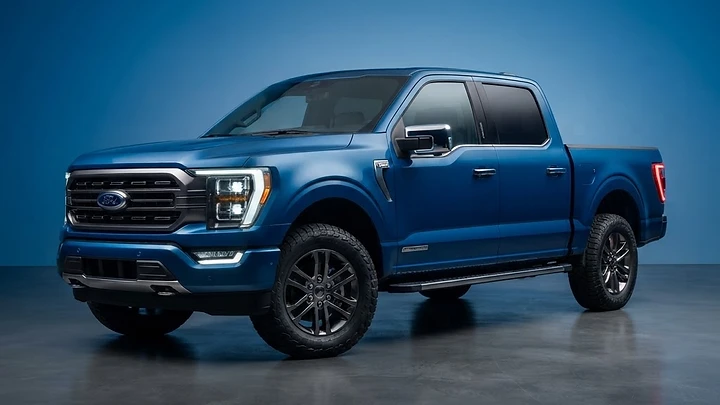

The Bottom Line Protecting your vehicle is about balancing cost, usage, and your personal goals for ownership.
If you want to prevent physical damage from road debris, invest in PPF for your front-end. If your goal is to keep your car looking glossy and make washing a breeze, a ceramic coating is the gold standard. For the ultimate peace of mind, a hybrid approach—PPF on the front, ceramic on the rest—offers the best of both worlds. Regardless of what you choose, remember that no product replaces the need for safe, regular washing habits. Treat your car with care, and it will reward you with years of pride on the open road.
The cars in this story
The real price and honest verdict on each one
- 2026 Ford F-150Full-Size Pickup · from $39,330
- 2026 Toyota CamryMid-Size Sedan · from $28,850
- 2026 Honda CR-VCompact SUV · from $30,920
More car news

Car Maintenance Costs 2026: The Honest Buyer’s Guide
Don't let surprise repair bills ruin your budget. Discover the real 2026 car maintenance costs and how to choose a reliable vehicle that saves you money.

When to Replace Tires: The 2026 Honest Buyer’s Guide
Wondering when to replace tires? Learn the signs of wear, safety thresholds, and how to maximize your investment with this honest 2026 maintenance guide.

Are Extended Car Warranties Worth It? The 2026 Honest Guide
Is an extended car warranty worth it? We break down the 2026 costs, coverage realities, and the math to help you decide if you actually need one.