When to Replace Tires: The 2026 Honest Buyer’s Guide
Wondering when to replace tires? Learn the signs of wear, safety thresholds, and how to maximize your investment with this honest 2026 maintenance guide.

There is a profound, almost spiritual connection between your vehicle and the open road, a bond mediated entirely by four small patches of rubber. When you crest a mountain pass in your 2026 Toyota RAV4 or navigate a rain-slicked highway in a 2026 Honda Pilot, those tires are the only things keeping you tethered to the asphalt. Understanding when to replace tires is not just about avoiding a flat; it is about respecting the engineering that keeps your family safe and your journey smooth. Many drivers wait until a blowout forces their hand, but proactive maintenance is the hallmark of a smart, transparent owner who values both safety and long-term financial health.
The 2/32" Rule and Beyond: Measuring Tread Depth The most critical metric for tire health is tread depth.
In the United States, the legal minimum is 2/32 of an inch, but most automotive experts, including those at AAA, recommend replacing tires once they reach 4/32 of an inch. At this depth, your vehicle’s ability to channel water away from the contact patch—preventing hydroplaning—diminishes significantly. You can perform a simple test at home using a quarter. Insert the coin into the tread groove with Washington’s head facing down. If you can see the top of his head, your tread is likely below 4/32 of an inch, and it is time to start shopping for replacements. 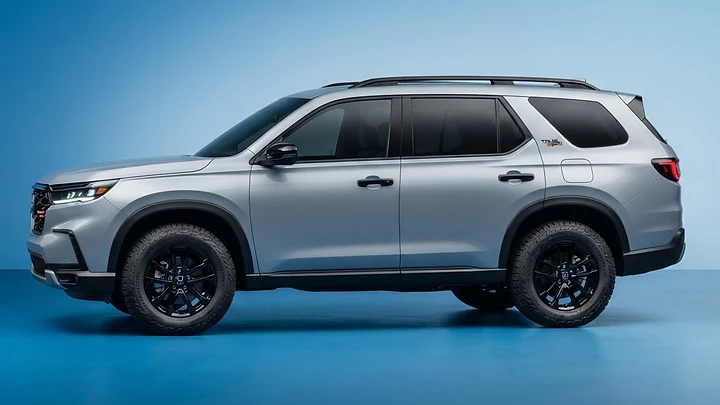
Age Matters: The Five-Year Inspection Threshold Even if your tires look pristine and have plenty of tread, time is an enemy of rubber.
Over years of exposure to UV rays, temperature fluctuations, and ozone, the chemical compounds in your tires begin to degrade, leading to dry rot or internal structural weakness. Michelin and other major manufacturers recommend a professional inspection at least once a year once a tire reaches five years of age. Regardless of mileage, most experts suggest that tires should be replaced after ten years of service, as the risk of failure increases exponentially regardless of how much tread remains. 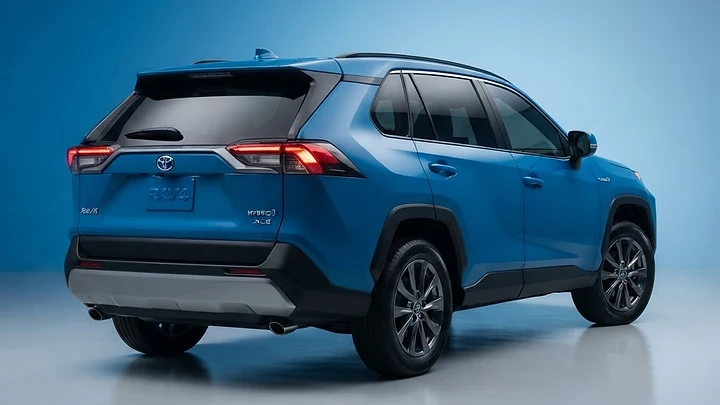

Recognizing Damage: When to Replace Early Not all tire wear is uniform.
If you notice uneven wear patterns—such as the inside edge wearing faster than the outside—it is often a sign of alignment issues or improper inflation. While an alignment can fix the vehicle's geometry, it cannot "fix" a tire that has already worn unevenly. Furthermore, any visible sidewall bulges, deep cuts, or embedded sharp objects like nails require immediate professional assessment. A tire with sidewall damage is structurally compromised and cannot be safely repaired; it must be replaced to prevent a catastrophic failure at highway speeds. 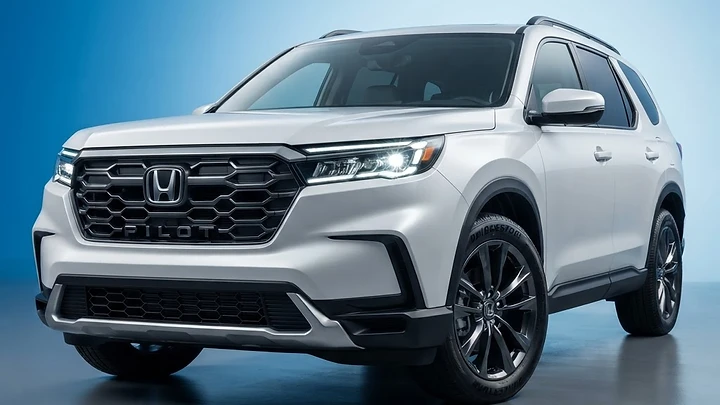

The Economics of Replacement: Pairs vs.
Sets The question of whether to replace tires in pairs or as a full set is a common point of confusion. For all-wheel-drive (AWD) vehicles, manufacturers often mandate replacing all four tires simultaneously to prevent drivetrain damage caused by mismatched rolling diameters. On two-wheel-drive vehicles, you can sometimes get away with replacing a pair, provided the new tires are placed on the rear axle to maintain stability. However, for the best handling and safety, a full set remains the gold standard. When buying, always stick to the size and speed rating specified on your vehicle’s door jamb placard to ensure your car performs exactly as the engineers intended. 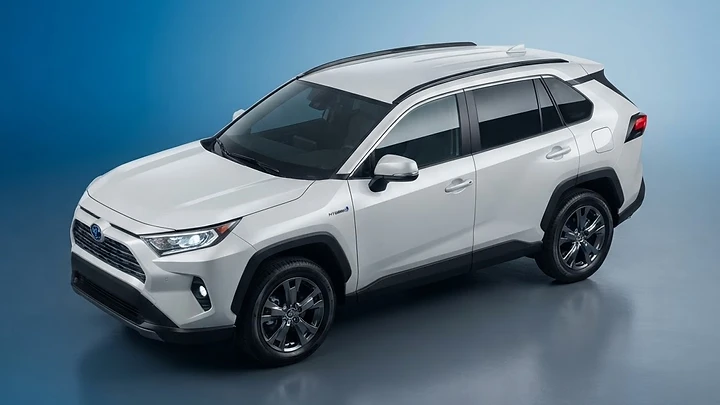

Frequently Asked Questions
How often should I rotate my tires?
You should rotate your tires every 5,000 to 8,000 miles. This practice ensures even wear across all four positions, extending the life of your set and maintaining consistent handling characteristics. #
Does tire pressure affect fuel economy?
Yes. Under-inflated tires increase rolling resistance, which forces your engine to work harder and consumes more fuel. Check your pressure monthly when the tires are cold to maximize your efficiency. #
Can I mix different tire brands on my car?
It is strongly discouraged. Mixing brands or tread patterns can lead to unpredictable handling, especially in emergency braking or wet conditions. Always try to match the brand, model, and tread depth of your existing tires. #
What is the best way to check tire pressure?
Use a reliable digital gauge and check the pressure when the vehicle has been parked for at least three hours. The correct PSI for your specific vehicle is located on the sticker inside the driver’s side door jamb, not the number printed on the tire sidewall.
The Bottom Line Tires are the most important safety feature on your car.
While the upfront cost of a new set can be significant, the cost of a blowout or an accident is far higher. By monitoring your tread depth with the quarter test, keeping your tires properly inflated, and adhering to a regular rotation schedule, you can ensure your vehicle remains a reliable, safe vessel for your family’s adventures. When in doubt, visit a trusted, independent tire shop for a professional inspection—transparency in maintenance is the best way to avoid dealership pressure and hidden repair costs.
The cars in this story
The real price and honest verdict on each one
Every model, side by sideMore car news


Car Maintenance Costs 2026: The Honest Buyer’s Guide
Don't let surprise repair bills ruin your budget. Discover the real 2026 car maintenance costs and how to choose a reliable vehicle that saves you money.


Are Extended Car Warranties Worth It? The 2026 Honest Guide
Is an extended car warranty worth it? We break down the 2026 costs, coverage realities, and the math to help you decide if you actually need one.


Mastering Car Maintenance: The 2026 Owner’s Survival Guide
Stop overpaying for repairs. Learn the 2026 essential car maintenance schedule to keep your vehicle running longer and save thousands in ownership costs.