Mastering Car Maintenance: The 2026 Owner’s Survival Guide
Stop overpaying for repairs. Learn the 2026 essential car maintenance schedule to keep your vehicle running longer and save thousands in ownership costs.
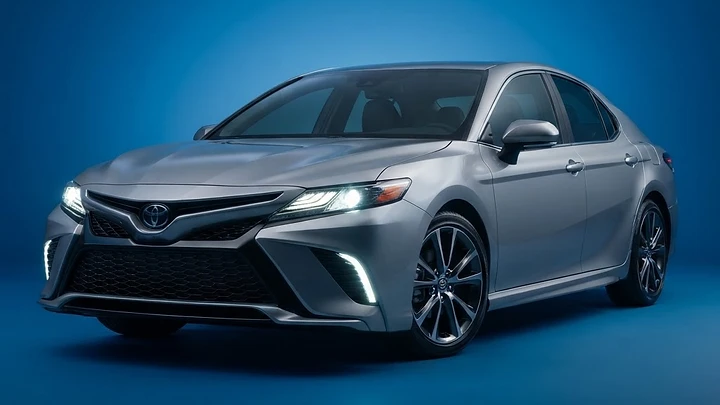
There is a specific, quiet magic to the open road—the way the engine hums in perfect harmony with the asphalt, the feeling of absolute freedom as you navigate a winding mountain pass, and the confidence that comes from knowing your machine is an extension of your own intent. For many Americans, a car is more than just a tool; it is the vessel for family memories, the reliable partner for the daily commute, and a significant financial investment. Yet, in 2026, the reality of car ownership has shifted. With average annual maintenance costs hovering around $1,488, staying ahead of the curve isn't just about mechanical longevity—it is about protecting your financial peace of mind.
The 2026 Reality: Why Maintenance Matters More Than Ever Today, the average American spends over $5,800 annually on ownership costs before even considering a monthly loan payment.
When you look at the data, maintenance is the one variable you can actually control. Neglecting a simple $50 oil change can lead to a domino effect of engine wear that costs thousands. By following the manufacturer’s recommended service intervals—found in your owner’s manual—you aren't just following a checklist; you are preserving the residual value of your vehicle. Whether you drive a 2026 Toyota Camry or a rugged Ford F-150, the engineering is designed to last, provided you respect the rhythm of its needs. 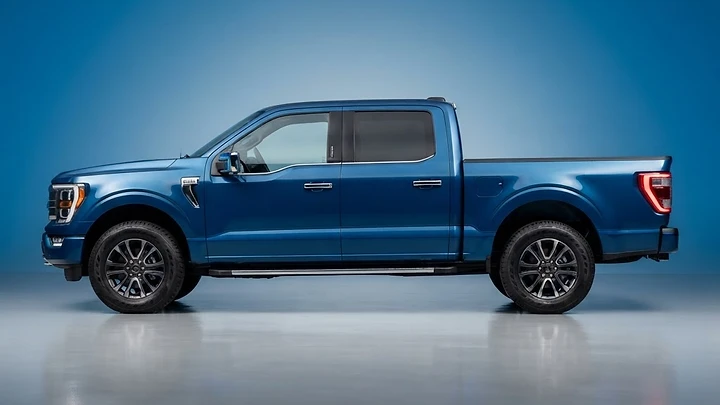
Decoding Your Maintenance Schedule The most common mistake buyers make is relying on dealership service reminders rather than the owner’s manual.
Dealerships often suggest "severe service" intervals to increase revenue, but your manual is the source of truth tailored to your specific engine and transmission. For most modern vehicles, oil changes are now recommended every 7,500 to 10,000 miles, rather than the old-school 3,000-mile rule. However, if you live in extreme climates or frequently drive in stop-and-go traffic, you may need to adjust. Always keep a digital or physical log of your services; a documented maintenance history is the single most effective way to command a higher price when it comes time to sell or trade in your vehicle. 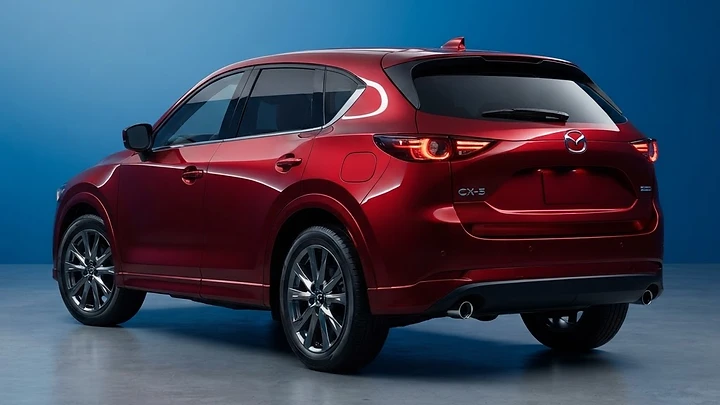

DIY vs.
Professional Care: Where to Save You don't need to be a master mechanic to save money. Simple tasks like checking your tire pressure, topping off windshield washer fluid, and inspecting your air filters can be done in your driveway in under 20 minutes. For more complex tasks—like brake pad replacements, which typically cost $100–$300 per axle, or transmission fluid flushes—it pays to shop around. Independent, ASE-certified local shops often provide the same quality of work as a dealership but at a significantly lower labor rate. Remember, federal law protects your right to choose your service provider; having your car serviced at an independent shop will not void your factory warranty. 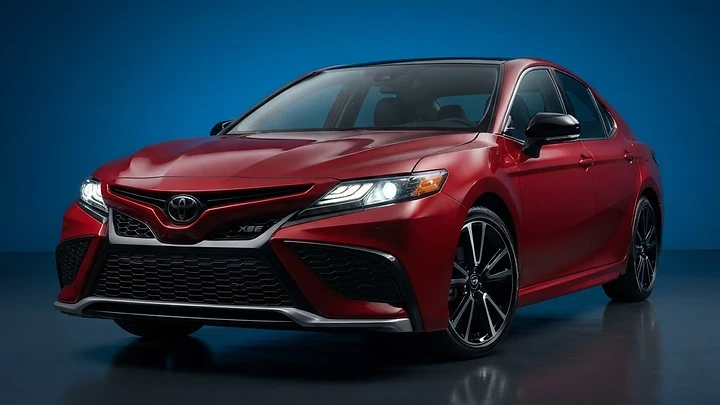

The Hidden Costs of Neglect: Tires and Fluids Tires are the most overlooked safety feature on your vehicle.
A simple "penny test"—inserting a penny into the tread groove—can tell you if it is time for a replacement. Driving on worn tires doesn't just compromise your safety in the rain; it forces your engine to work harder, lowering your fuel economy. Similarly, keep an eye on your coolant and brake fluids. These fluids degrade over time, and failing to flush them at the recommended intervals can lead to catastrophic system failures that are far more expensive than the service itself. 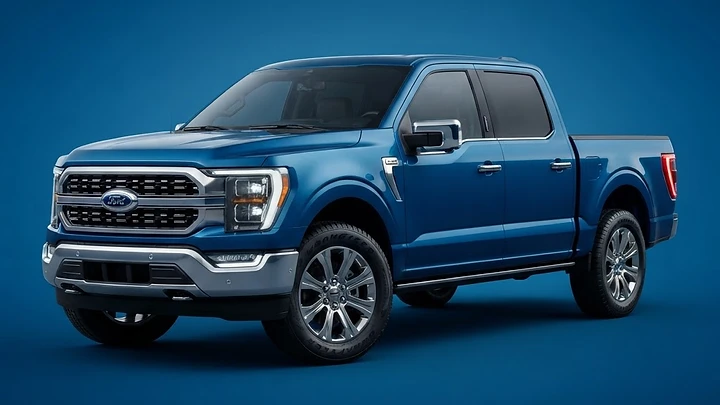

Frequently Asked Questions
Do I really need to follow the dealership's recommended service schedule?
No. Your owner’s manual is the definitive guide for your vehicle. Dealerships may suggest additional services, but you should only prioritize what the manufacturer mandates to keep your warranty valid. #
How much should I budget for car maintenance?
A good rule of thumb is to set aside $50 to $100 per month. This creates a "maintenance fund" that ensures you are never caught off guard by a surprise repair bill. #
Does my driving style change my maintenance needs?
Yes. Frequent short trips, heavy towing, or driving in extreme heat or cold are considered "severe" conditions. If your driving habits fall into these categories, you should follow the "severe" maintenance schedule in your manual. #
Is it cheaper to bundle maintenance services?
Often, yes. Many shops offer discounts when you combine services, such as an oil change, tire rotation, and cabin air filter replacement, because it saves on labor time.
The Bottom Line Owning a car in 2026 requires a proactive mindset.
By treating your vehicle as an investment rather than a disposable appliance, you can avoid the sticker shock that plagues so many buyers. Stick to your owner’s manual, build a relationship with a trusted local mechanic, and keep a meticulous record of your service history. When you take care of your car, it takes care of you—keeping you safe, mobile, and financially secure for years to come.
The cars in this story
The real price and honest verdict on each one
- 2026 Ford F-150Full-Size Pickup · from $39,330
- 2026 Lucid AirLuxury Electric Sedan · from $70,900
- 2026 Mazda CX-5Compact SUV · from $29,000
- 2026 Toyota CamryMid-Size Sedan · from $28,850
More car news


Car Maintenance Costs 2026: The Honest Buyer’s Guide
Don't let surprise repair bills ruin your budget. Discover the real 2026 car maintenance costs and how to choose a reliable vehicle that saves you money.

When to Replace Tires: The 2026 Honest Buyer’s Guide
Wondering when to replace tires? Learn the signs of wear, safety thresholds, and how to maximize your investment with this honest 2026 maintenance guide.


Are Extended Car Warranties Worth It? The 2026 Honest Guide
Is an extended car warranty worth it? We break down the 2026 costs, coverage realities, and the math to help you decide if you actually need one.