Car Tire Maintenance: The 2026 Honest Owner’s Guide
Master your car tire maintenance in 2026. Learn how to check pressure, monitor tread, and extend tire life to save money and keep your family safe on the road.
There is a quiet, rhythmic hum that defines the perfect road trip—the sound of rubber meeting asphalt as you carve through a mountain pass or cruise down a sun-drenched coastal highway. Your tires are the only four points of contact between your vehicle and the earth, yet they are often the most overlooked component of your car’s health. In 2026, as vehicle weights increase due to battery technology and performance demands rise, understanding how to care for your tires is no longer just a chore; it is a vital skill for every responsible owner. Whether you are driving a nimble sedan or a heavy-duty SUV, your tires are the foundation of your safety and your vehicle's efficiency.
Why Tire Pressure Matters More Than Ever In 2026, the modern vehicle is a marvel of engineering, but it is also heavier than its predecessors.
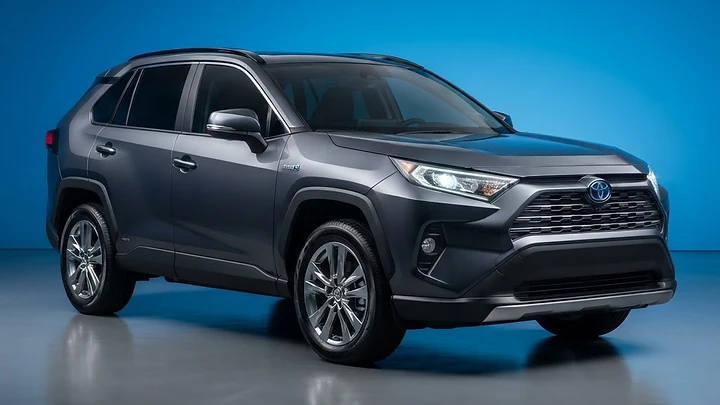
Whether you are driving a 2026 Toyota RAV4 or a high-performance EV, maintaining the correct tire pressure is the single most effective way to ensure longevity and safety. Tire pressure is measured in PSI (pounds per square inch), and running tires that are under-inflated or over-inflated can lead to uneven wear, poor fuel economy, and even dangerous blowouts. You should check your tire pressure at least once a month when the tires are 'cold'—meaning the car has been parked for at least three hours. Always refer to the tire information placard located on your driver’s doorjamb rather than the maximum pressure listed on the tire sidewall itself. 
The Truth About Tire Tread and Safety Your tires are designed with specific tread patterns to channel water away from the contact patch, preventing hydroplaning.
As you drive, that rubber wears down. In the United States, the legal minimum tread depth is 2/32 of an inch, but for optimal safety in rain or snow, many experts recommend replacing tires once they hit 4/32 of an inch. You can perform a quick 'penny test' by inserting a penny into the tread with Lincoln’s head upside down; if you can see the top of his head, it is time to start shopping for a new set. Ignoring this leads to longer stopping distances and a loss of control when you need it most. 

Rotation and Alignment: The Secret to Longevity Even with perfect pressure, tires will wear unevenly due to the natural forces of steering and weight distribution.
Rotating your tires every 6,000 to 10,000 miles—or roughly every other oil change—is the best way to ensure all four tires wear at the same rate. For all-wheel-drive vehicles, this is particularly critical, as uneven tread can sometimes cause strain on the drivetrain. Additionally, if you notice your car pulling to one side or your steering wheel vibrating at highway speeds, it is time for a professional alignment. A proper alignment ensures your tires meet the road at the correct angle, preventing premature 'feathering' or bald spots that can ruin a tire long before its time. 

Do EVs Need Special Tires?
As the market shifts toward electrification, many buyers ask if their 2026 EV requires special rubber. Because electric vehicles are generally heavier and provide instant torque, they can wear through standard tires faster than internal combustion vehicles. Many manufacturers now offer 'EV-specific' tires designed with reinforced sidewalls and specialized compounds to handle this extra weight while minimizing road noise. While you can use standard tires on many EVs, choosing a tire rated for the specific load and performance characteristics of your vehicle will often result in a quieter, more efficient, and longer-lasting experience. 

Frequently Asked Questions
How often should I check my tire pressure?
You should check your tire pressure at least once a month and before any long road trip. Always check when the tires are cold for the most accurate reading. #
Can I mix different brands of tires on my car?
It is highly recommended to use the same brand, model, and size of tire on all four wheels. Mixing tires can lead to unpredictable handling, especially in emergency maneuvers or wet conditions. #
What is the best way to check tread depth?
Use a dedicated tread depth gauge for accuracy, or the 'penny test.' If the tread does not cover the top of Lincoln's head, your tires are likely worn beyond the safe limit. #
Does my spare tire need maintenance?
Yes. Many drivers forget their spare tire until they have a flat. Check the pressure of your spare tire whenever you check your main tires to ensure it is ready for an emergency.
The Bottom Line Your tires are an investment in your family's safety and your vehicle's long-term value.
By checking your pressure monthly, rotating your tires regularly, and monitoring tread depth, you can avoid the frustration of premature replacement and ensure your car performs exactly as the engineers intended. Don't wait for a warning light to appear on your dashboard; take control of your maintenance today and enjoy the peace of mind that comes with a well-maintained vehicle.
The cars in this story
The real price and honest verdict on each one
Every model, side by sideMore car news


Car Maintenance Costs 2026: The Honest Buyer’s Guide
Don't let surprise repair bills ruin your budget. Discover the real 2026 car maintenance costs and how to choose a reliable vehicle that saves you money.


When to Replace Tires: The 2026 Honest Buyer’s Guide
Wondering when to replace tires? Learn the signs of wear, safety thresholds, and how to maximize your investment with this honest 2026 maintenance guide.


Are Extended Car Warranties Worth It? The 2026 Honest Guide
Is an extended car warranty worth it? We break down the 2026 costs, coverage realities, and the math to help you decide if you actually need one.