Protecting Your 2026 Car: PPF vs. Ceramic Coating Guide
Is your new 2026 vehicle protected? Learn the honest differences between paint protection film and ceramic coating to preserve your car's value and shine.
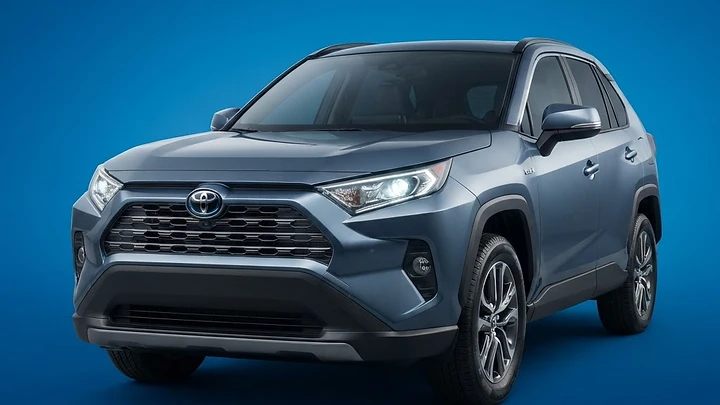
There is a specific, quiet thrill that comes with pulling a brand-new 2026 vehicle off the lot. The paint catches the light with a mirror-like depth, the body lines are crisp, and the promise of thousands of miles of open road stretches out before you. Yet, the moment you drive onto the highway, that pristine finish faces an invisible barrage of road debris, UV rays, and environmental contaminants. As an automotive journalist, I have seen too many owners watch their investment lose its luster within months. Understanding the difference between paint protection film (PPF) and ceramic coating is no longer just for car enthusiasts; it is a vital part of modern vehicle ownership that can significantly impact your car's long-term resale value.
Understanding Paint Protection Film (PPF) for 2026 Models Paint protection film, often called a clear bra, is the heavy lifter of exterior preservation.
Think of it as a sacrificial, self-healing layer of thermoplastic polyurethane applied directly to your vehicle's paint. In 2026, the technology has advanced significantly; modern films are thinner, clearer, and possess better self-healing properties than the yellowing plastics of the past. When a rock kicks up from a truck on the interstate or a stray shopping cart brushes your bumper, the PPF absorbs the impact, preventing the paint underneath from chipping or scratching. For a vehicle like the 2026 Toyota RAV4, applying a high-quality PPF to the front bumper, hood, and side mirrors can be the difference between a factory-fresh look and a front end peppered with road rash after just one year of ownership. 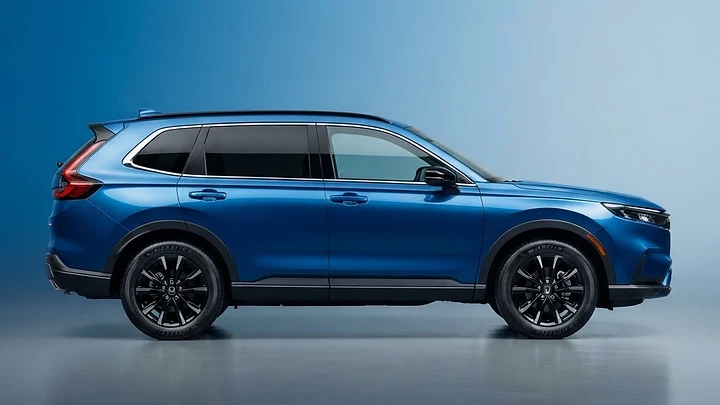
The Role of Ceramic Coating in 2026 While PPF handles physical impacts, ceramic coating is a chemical shield.
It is a liquid polymer that bonds at a molecular level with your car's clear coat, creating a hydrophobic surface that repels water, dirt, and bird droppings. If you have ever wondered why some cars seem to stay cleaner for longer, it is likely due to a quality ceramic application. It does not provide the impact resistance of PPF—it will not stop a rock chip—but it makes maintenance significantly easier. For a daily driver like the 2026 Honda CR-V, a ceramic coating means that washing the car becomes a simple rinse-and-wipe affair, and the paint remains protected from the harsh, fading effects of UV radiation. 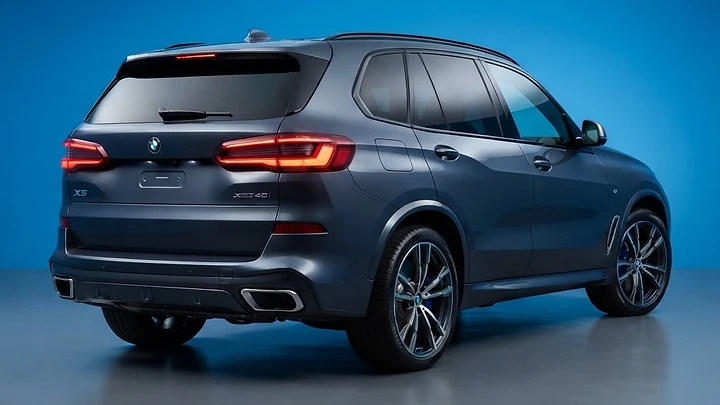

Can You Use Both?
The Hybrid Approach Many owners are now opting for a layered defense strategy. By applying PPF to high-impact areas like the front fascia and rocker panels, and then applying a ceramic coating over the entire vehicle—including the film itself—you get the best of both worlds. This combination is becoming increasingly popular for premium vehicles like the 2026 BMW X5, where owners want to maintain that showroom gloss while ensuring the paint remains shielded from the inevitable hazards of daily driving. While this approach carries a higher upfront cost, the potential 10-15% increase in resale value often justifies the investment for those planning to keep their vehicle for five years or more. 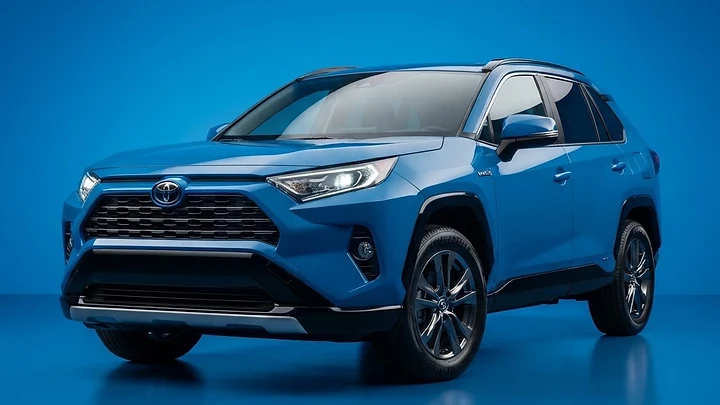

Frequently Asked Questions
Does ceramic coating prevent scratches?
No. Ceramic coating provides chemical and UV protection. It can help prevent light swirl marks from improper washing, but it will not stop deep scratches from keys or road debris. For impact protection, you need PPF. #
How long does professional PPF last?
Most high-quality, modern PPF installations come with warranties ranging from 5 to 10 years. Factors like climate and how often you wash your car will influence the longevity of the film's clarity and self-healing capabilities. #
Is it worth applying these to a budget-friendly car?
Absolutely. Whether you are driving a base-model sedan or a luxury SUV, paint repair is expensive. Protecting your paint helps maintain the vehicle's aesthetic appeal and resale value, regardless of the initial purchase price. #
Can I apply these products myself?
While DIY ceramic coating kits are widely available, professional-grade PPF installation requires specialized tools and significant experience to avoid bubbles and alignment issues. If you are not confident in your detailing skills, professional installation is recommended to ensure the warranty remains valid. 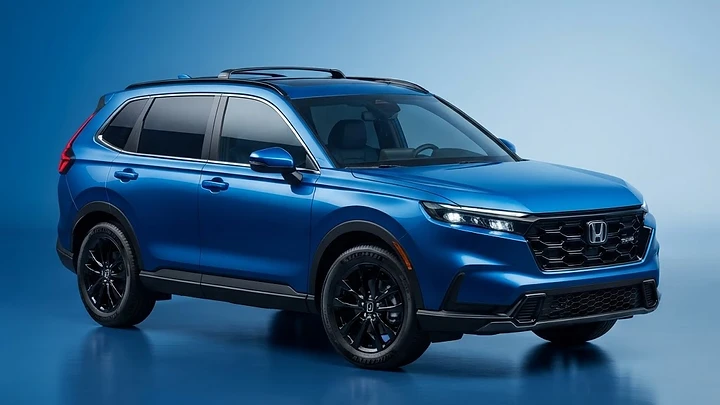

The Bottom Line Protecting your 2026 vehicle is an investment in your future peace of mind.
If your primary goal is to prevent rock chips and physical damage, prioritize a high-quality PPF installation on the front end. If your goal is to simplify maintenance and keep your car looking glossy with minimal effort, a ceramic coating is your best friend. For the ultimate protection, combine both. Remember, the best time to protect your paint is the day you take delivery. By acting early, you ensure that your car remains a source of pride and value for years to come.
The cars in this story
The real price and honest verdict on each one
- 2026 Honda CR-VCompact SUV · from $30,920
- 2026 BMW X5Mid-Size SUV · from $66,775
- 2026 Toyota RAV4Compact SUV · from $31,900
- 2026 Nissan KicksCompact SUV · from $21,830
More car news

Car Maintenance Costs 2026: The Honest Buyer’s Guide
Don't let surprise repair bills ruin your budget. Discover the real 2026 car maintenance costs and how to choose a reliable vehicle that saves you money.

When to Replace Tires: The 2026 Honest Buyer’s Guide
Wondering when to replace tires? Learn the signs of wear, safety thresholds, and how to maximize your investment with this honest 2026 maintenance guide.

Are Extended Car Warranties Worth It? The 2026 Honest Guide
Is an extended car warranty worth it? We break down the 2026 costs, coverage realities, and the math to help you decide if you actually need one.