The 2026 Car Market: How to Buy Smart When Prices Are High
Navigating the 2026 car market? Discover how to secure a fair deal, manage affordability, and choose the right vehicle amidst record-high average prices.
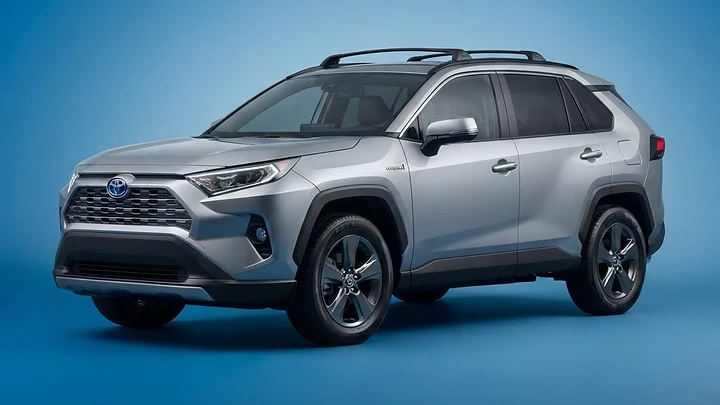
There is a specific, quiet magic to the moment you pull a new car out of the dealership lot. The scent of fresh materials, the crisp response of a brand-new engine, and the promise of thousands of miles of open road ahead—it is a feeling of pure possibility. Yet, for the American buyer in 2026, that excitement is often tempered by the reality of a market that has fundamentally shifted. With average new car prices hovering near $50,900, the landscape of automotive ownership has changed, demanding a more strategic, informed approach than ever before.
Understanding the New Normal in Car Pricing The days of easy bargains are largely behind us.
As of mid-2026, the automotive industry has settled into a 'new normal' where inventory levels are stable, but pricing remains elevated. This isn't just about inflation; it is a structural reset. Manufacturers have pivoted toward higher-margin, feature-rich SUVs and trucks, often leaving the budget-conscious buyer to navigate a shrinking pool of entry-level options. When you walk into a dealership today, you are not just buying a machine; you are making a significant financial commitment that requires a clear-eyed assessment of your monthly budget versus your long-term needs. 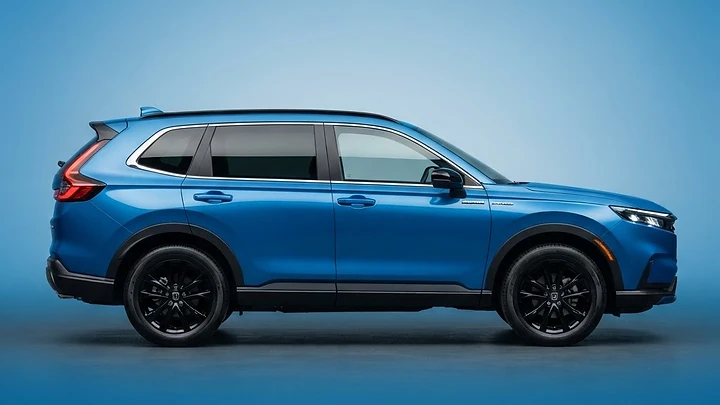
Why Hybrid Demand is Reshaping the Market If you have noticed more hybrid badges on the road, you are not imagining it.
Hybrid vehicles have become the gold standard for the modern, efficiency-minded buyer. With fuel price sensitivity remaining a constant factor, models like the 2026 Toyota RAV4 Hybrid and the 2026 Honda CR-V Hybrid are seeing massive demand. These vehicles offer a bridge between traditional gas-powered convenience and the efficiency of electrification, without the 'charging anxiety' that still keeps some buyers away from full EVs. For many families, a hybrid SUV provides the perfect balance of cargo space, reliability, and lower fuel costs, making them a smart long-term investment. 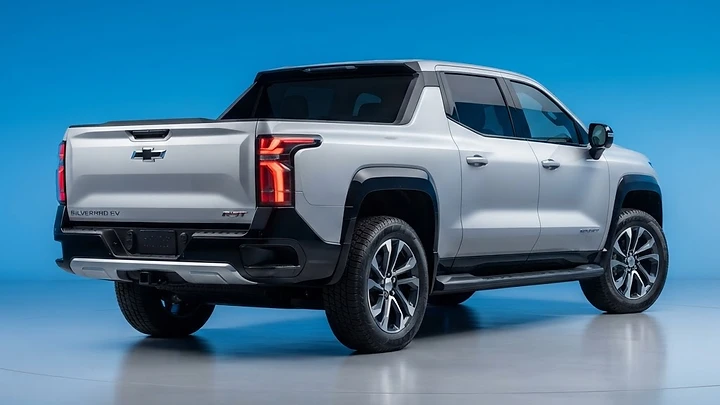

The Strategic Shift: Buying Used vs.
New With new car payments frequently exceeding $1,000 a month, the used market has become a vital hunting ground for value. Interestingly, the data shows that buyers are holding onto their vehicles longer—often well into their teenage years—which means the quality of the used inventory is evolving. If you are looking for a reliable daily driver, a three-to-five-year-old model can save you thousands in depreciation while still offering modern safety tech and connectivity. Don't be afraid to look at high-mileage trucks or well-maintained sedans; in the current market, these vehicles often represent the best 'bang for your buck' when you factor in total cost of ownership. 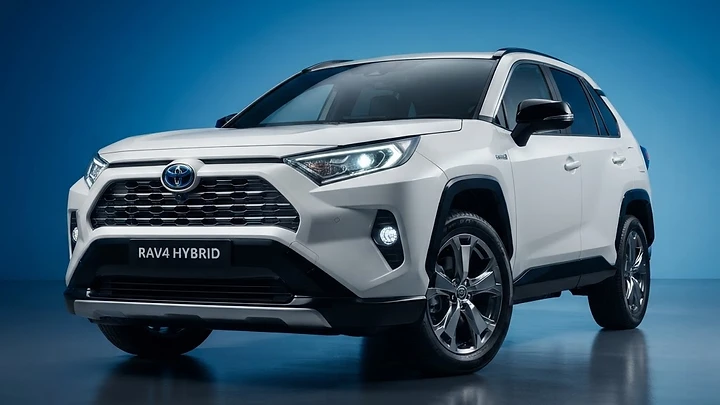

How to Navigate the Dealership Without Pressure The most powerful tool you have in 2026 is your ability to walk away.
Because 71% of buyers enter the market without a firm decision on what they want, dealerships are eager to guide your choice. Stay in the driver's seat by doing your research online before you ever step foot on a lot. Use tools like 'Build My Deal' to understand your financing options and total out-the-door price. Remember, a car is a tool for your life, not a status symbol. If a salesperson pushes for a trim level you don't need, politely decline. Transparency is your right, and a good dealer will respect your budget boundaries. 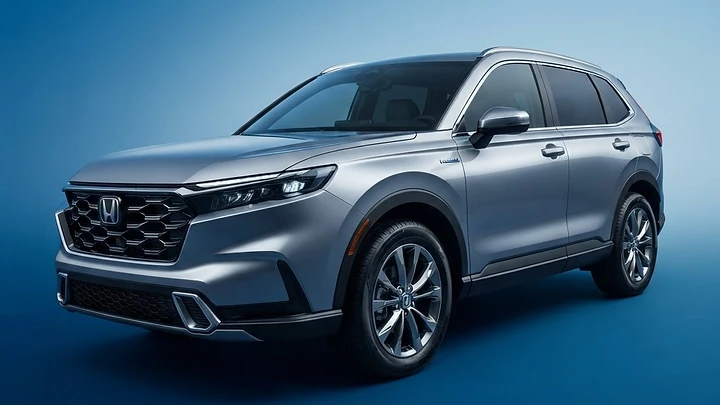

Frequently Asked Questions
Are car prices going to drop significantly in 2026?
While we have seen some stabilization, significant price drops are unlikely. The market has adjusted to higher production costs and a shift toward premium vehicle configurations. #
Is it better to lease or buy in the current market?
Leasing can offer lower monthly payments, but buying remains the best path for long-term value, especially if you plan to keep the vehicle for more than five years. #
What is the best way to find a reliable used car?
Focus on vehicles with a documented service history and consider Certified Pre-Owned (CPO) programs, which offer extended warranties and peace of mind. #
Should I wait for a better time to buy?
If you need a car, waiting for a 'perfect' market is a gamble. Focus on finding a vehicle that fits your budget today rather than timing the market.
The Bottom Line The 2026 car market rewards the patient and the prepared.
Whether you are eyeing a fuel-efficient hybrid like the Toyota RAV4 or a rugged truck, the key is to prioritize your financial health over the allure of the latest tech. Set a strict budget, research your options, and don't be afraid to explore the used market for hidden gems. Your next car should be a source of freedom, not a source of financial stress.
The cars in this story
The real price and honest verdict on each one
Every model, side by sideMore car news

Best Time to Trade In a Car: The 2026 Honest Buyer’s Guide
Wondering when to trade in your car? Discover the optimal timing, market trends, and financial strategies to maximize your vehicle's value in 2026.

Smart Car Buying: Navigating the 2026 Market With Confidence
Master the 2026 car buying market with our honest guide. Learn how to secure financing, avoid hidden fees, and find the right vehicle for your budget today.

Paint Protection Film: Is PPF Worth It in 2026?
Considering paint protection film for your new 2026 vehicle? We break down the costs, benefits, and whether PPF is truly worth the investment for your car.