Paint Protection Film: Is PPF Worth It in 2026?
Considering paint protection film for your new 2026 vehicle? We break down the costs, benefits, and whether PPF is truly worth the investment for your car.
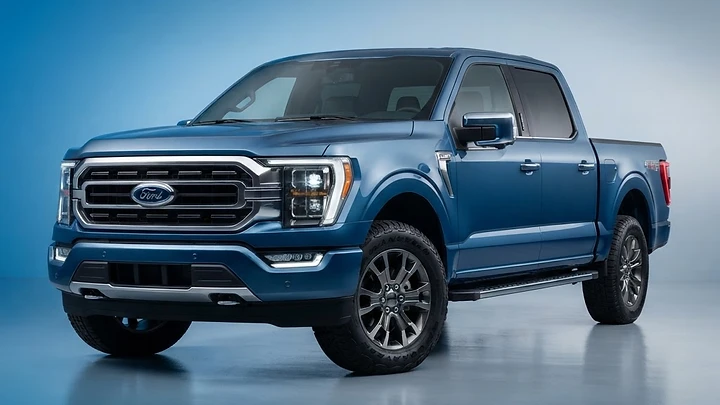
Imagine the sun hitting the hood of your brand-new 2026 vehicle, the light dancing across a flawless, mirror-like finish that looks as pristine as the day it rolled off the assembly line. That feeling of pride is what every car owner chases, but the reality of the open road—flying gravel, road salt, and harsh UV rays—is a constant threat to that showroom shine. Paint Protection Film (PPF) has emerged as the gold standard for preserving that aesthetic perfection, but is it a necessary investment or an expensive luxury? As we navigate the 2026 automotive landscape, understanding the true value of protecting your vehicle's exterior is essential for long-term ownership satisfaction.
What Exactly Is Paint Protection Film?
At its core, Paint Protection Film is a transparent, thermoplastic urethane layer applied to the painted surfaces of your car. Think of it as a sacrificial shield that absorbs the impact of road debris, preventing chips, scratches, and stains from ever reaching your vehicle's clear coat. In 2026, modern films are more advanced than ever, featuring self-healing properties where minor surface scratches disappear with the application of heat from the sun or warm water. Whether you are driving a rugged 2026 Ford F-150 or a sleek 2026 BMW i4, the goal remains the same: maintaining the integrity of the factory paint. 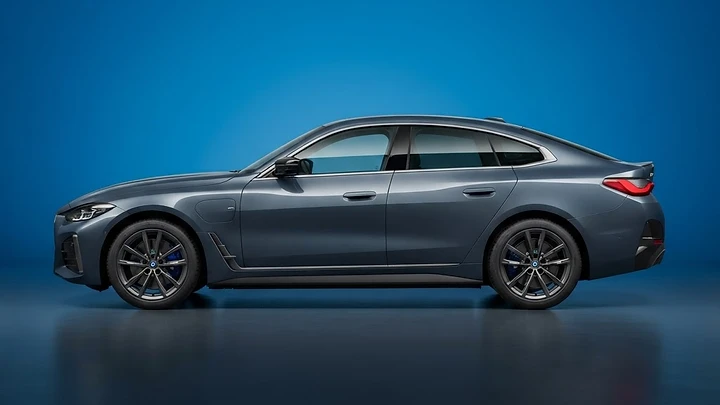
PPF vs.
Ceramic Coating: Understanding the Difference A common point of confusion for buyers is the distinction between PPF and ceramic coating. While both are popular, they serve different purposes. Ceramic coating is a chemical polymer solution that bonds to the paint, providing excellent hydrophobic properties and UV resistance, making the car easier to clean. However, it offers virtually no protection against physical impacts like rock chips. PPF, conversely, provides a physical barrier with significant thickness, capable of absorbing energy from road debris. Many owners in 2026 are opting for a hybrid approach: applying PPF to high-impact areas like the front bumper, hood, and side mirrors, followed by a full-body ceramic coating for ease of maintenance. 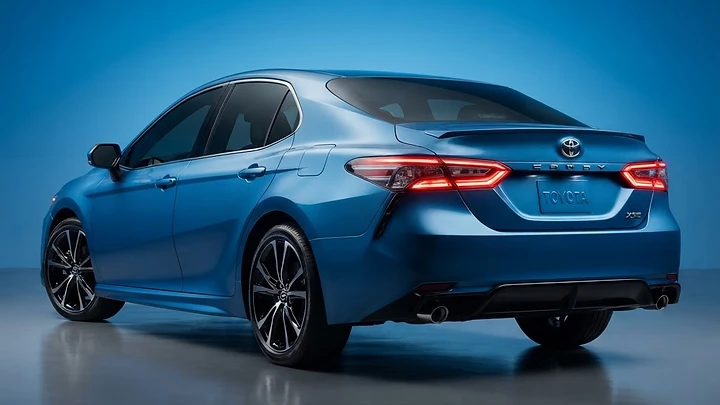

Is the Investment Worth the Cost?
Professional-grade PPF installation is not cheap. Depending on the coverage area and the complexity of your vehicle's body lines, a full-front package can range from $1,500 to $3,000, while a full-body wrap can exceed $6,000. For a daily driver like a 2026 Toyota Camry, this might seem steep. However, consider the long-term value. If you plan to keep your vehicle for 7 to 10 years, or if you are purchasing a high-end luxury model where paint correction is prohibitively expensive, the cost of PPF can be offset by the preservation of your vehicle's resale value. A car with original, unblemished paint is significantly more attractive to future buyers. 

Maintenance and Longevity in 2026 Modern PPF is designed to last between 7 and 10 years when properly maintained.
This doesn't mean you can ignore the car, but it does mean you can wash it with confidence. Avoid high-pressure car washes that might lift the edges of the film, and opt for hand washing or touchless systems. If you choose a matte finish film, be aware that it requires specific care products to maintain its unique look, as traditional waxes can fill in the texture and ruin the aesthetic. Always consult with your installer about the specific brand of film used, as quality varies significantly across the industry. 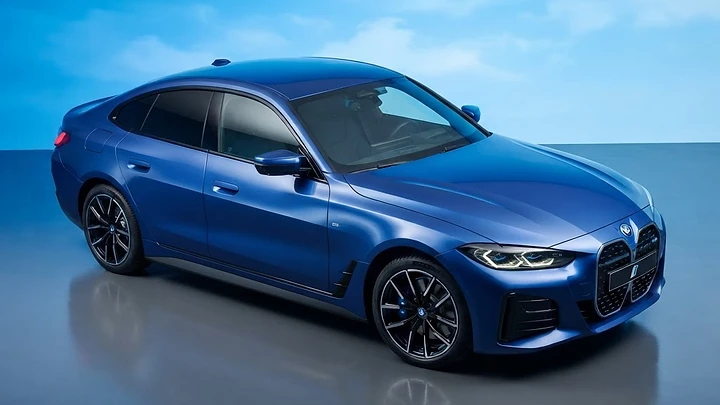

Frequently Asked Questions
Does PPF change the look of my car?
High-quality, clear PPF is virtually invisible once applied. It will not alter the color or gloss of your paint, though you can choose satin or matte films if you want to change the finish of your vehicle entirely. #
Can I install PPF myself?
While DIY kits exist, professional installation is highly recommended. The process involves precise cutting, stretching, and heat-gun application to ensure the film conforms to complex curves without bubbles or lifting. A poor installation can lead to peeling and trapped dirt. #
Will PPF protect against deep scratches or accidents?
PPF is designed to handle road debris and light surface abrasions. It is not a substitute for insurance and will not prevent damage from significant impacts or collisions. #
Does PPF yellow over time?
Older, lower-quality films were prone to yellowing due to UV exposure. However, premium 2026-spec films are engineered with advanced UV inhibitors that keep them crystal clear for the duration of their lifespan.
The Bottom Line If you are the type of owner who takes pride in a flawless exterior and plans to keep your vehicle for the long haul, PPF is a wise investment.
We recommend focusing your budget on a 'full-front' package—covering the bumper, hood, fenders, and mirrors—as these areas take the brunt of road damage. For most American car buyers, this provides the best balance of protection and cost-effectiveness, ensuring your vehicle stays looking brand new for years to come.
The cars in this story
The real price and honest verdict on each one
- 2026 BMW i4Compact Executive Sedan · from $54,300
- 2026 Toyota CamryMid-Size Sedan · from $28,850
- 2026 Ford F-150Full-Size Pickup · from $39,330
More car news

Best Time to Trade In a Car: The 2026 Honest Buyer’s Guide
Wondering when to trade in your car? Discover the optimal timing, market trends, and financial strategies to maximize your vehicle's value in 2026.

Smart Car Buying: Navigating the 2026 Market With Confidence
Master the 2026 car buying market with our honest guide. Learn how to secure financing, avoid hidden fees, and find the right vehicle for your budget today.

Lease vs. Buy: The 2026 Honest Guide to Your Best Deal
Struggling to choose between leasing and buying in 2026? We break down the real costs, equity, and long-term value to help you make the right financial move.