Lease vs. Buy: The 2026 Honest Guide to Your Best Deal
Struggling to choose between leasing and buying in 2026? We break down the real costs, equity, and long-term value to help you make the right financial move.
There is a specific, quiet magic to the first time you pull a new car out of the dealership lot. The scent of fresh materials, the crisp response of a brand-new engine, and the open road stretching out before you—it is a moment of pure possibility. But in 2026, that feeling is often quickly eclipsed by the cold reality of the finance office. With average new vehicle transaction prices hovering near $49,758, the decision to lease or buy is no longer just about preference; it is a high-stakes financial calculation that will impact your wallet for years to come. At Carummah, we believe you deserve to drive away with confidence, not confusion. Whether you are eyeing a reliable commuter or a family-hauling SUV, understanding the mechanics of your contract is the ultimate form of car-buying power.
The Reality of Monthly Payments in 2026 If you have been browsing the market lately, you have likely noticed that monthly payments are hitting record highs.
According to recent data, the average new-car loan payment has climbed to approximately $787, with many buyers stretching their loan terms to 72 or even 84 months to keep those numbers manageable. This is a dangerous game. When you stretch a loan that long, you are almost guaranteed to end up 'upside down'—meaning you owe the bank more than the car is actually worth. Leasing, by contrast, often offers a lower monthly payment—averaging around $619—because you are only paying for the vehicle's depreciation during the term, rather than the full purchase price. However, that lower payment comes with strings attached, including mileage caps and potential wear-and-tear fees that can surprise you at the end of the term. 
Why Buying Still Wins the Long Game While leasing provides a lower barrier to entry, buying remains the superior choice for long-term wealth.
When you finance a vehicle, every payment you make is a step toward total ownership. Once that final payment is made, the car is yours—free and clear. You can drive it for another five years without a single monthly bill, effectively 'banking' your savings. If you plan to keep your vehicle for six years or more, the math overwhelmingly favors buying. You avoid the cycle of perpetual payments and build equity that you can eventually trade in or sell, turning a depreciating asset into a tool for your next purchase. 

The Hidden Safety Net: GAP Insurance One of the most misunderstood aspects of the lease-versus-buy debate is GAP insurance.
If you finance a car and it is totaled in an accident, you are responsible for the entire loan balance, even if the insurance payout is less than what you owe. This is where many buyers find themselves in a financial hole. Most leases, however, include GAP coverage as part of the agreement, protecting you from that specific 'gap' between the car's value and your remaining obligation. If you choose to buy, always ask your insurance provider about adding GAP coverage to your policy—it is a small price to pay for significant peace of mind. 

When Leasing Actually Makes Sense Despite the long-term benefits of buying, leasing isn't 'bad'—it is just a different tool.
Leasing is a strategic choice if you are a high-mileage driver who wants to avoid the maintenance headaches of an aging vehicle, or if you simply prefer to drive the latest technology every three years. If you can comfortably afford the lease payment and you treat your car with care, leasing allows you to enjoy a premium vehicle without the long-term commitment of a six-year loan. Just be honest with yourself about your driving habits; if you exceed your mileage allowance, those per-mile fees can quickly erase any savings you gained from the lower monthly payment. 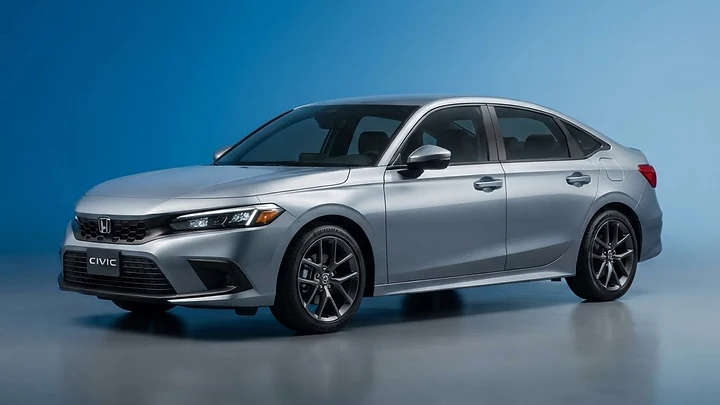

Frequently Asked Questions
Is it harder to get approved for a lease than a loan?
Yes, generally speaking. Leasing companies are more conservative because they retain ownership of the vehicle and manage the residual risk. You will typically need a higher credit score to secure a favorable lease compared to a standard auto loan. #
Can I negotiate the price of a lease?
Yes, you can and should. The 'capitalized cost'—the selling price of the car—is negotiable, just like it is when you buy. Do not let the dealer focus only on the monthly payment; always negotiate the total price of the vehicle first. #
What happens if I go over my mileage limit?
Most leases charge a penalty for every mile over your limit, typically ranging from $0.15 to $0.30 per mile. If you know you are going to go over, it is often cheaper to buy extra miles upfront or purchase the vehicle at the end of the lease. #
Does buying a car always cost more upfront?
Not necessarily. While buying often requires a larger down payment to keep monthly costs low, many lenders offer competitive financing that can make the initial out-of-pocket expense comparable to a lease. Always compare the total cost of ownership, not just the 'due at signing' amount.
The Bottom Line The best way to buy a car in 2026 is to align your financing with your life goals.
If you want to build equity and drive payment-free for years, buy the car and commit to a shorter loan term—ideally 60 months or less. If you value flexibility, lower monthly cash flow, and the ability to upgrade frequently, leasing is a valid path, provided you stay within your mileage limits. Do not let the pressure of the dealership dictate your terms; calculate your own math, prioritize your long-term financial health, and choose the path that keeps you in the driver's seat of your own life.
More car news

Best Time to Trade In a Car: The 2026 Honest Buyer’s Guide
Wondering when to trade in your car? Discover the optimal timing, market trends, and financial strategies to maximize your vehicle's value in 2026.

Smart Car Buying: Navigating the 2026 Market With Confidence
Master the 2026 car buying market with our honest guide. Learn how to secure financing, avoid hidden fees, and find the right vehicle for your budget today.

Paint Protection Film: Is PPF Worth It in 2026?
Considering paint protection film for your new 2026 vehicle? We break down the costs, benefits, and whether PPF is truly worth the investment for your car.