Best Time to Trade In a Car: The 2026 Honest Buyer’s Guide
Wondering when to trade in your car? Discover the optimal timing, market trends, and financial strategies to maximize your vehicle's value in 2026.
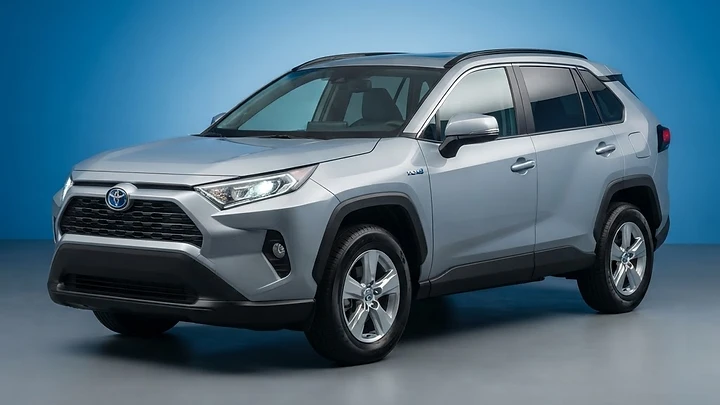
There is a specific, quiet magic to the moment you decide it is time for a change. Perhaps it is the way the morning light hits the hood of your current vehicle, or the realization that your life has outgrown the space you once called perfect. As you look toward the horizon, you might be wondering: is now the right time to trade in your car? In 2026, with the average new car transaction price hovering around $49,275, making a strategic move is more important than ever. This is not just about swapping keys; it is about honoring the investment you have made and ensuring your next chapter is built on a foundation of financial clarity and automotive joy.
Understanding the Seasonal Trade-In Cycle The automotive market breathes in cycles, and understanding these rhythms can put thousands of dollars back in your pocket.
Generally, the spring months—specifically mid-March through May—represent a golden window for trade-ins. As the weather warms, consumer demand for vehicles rises, and dealerships are eager to replenish their inventory to meet this surge. By trading in during this period, you are positioning your vehicle in front of buyers when competition for quality used inventory is at its peak. Conversely, while late-year sales events are fantastic for buying, they can sometimes lead to lower trade-in offers if a dealership’s lot is already overflowing with inventory. 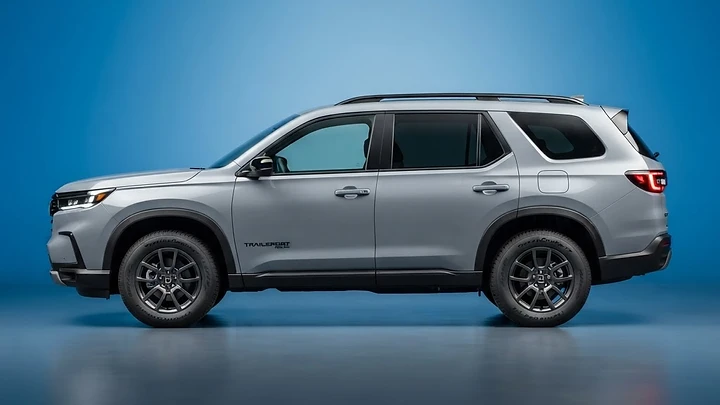
The Financial Sweet Spot: Equity and Mileage When considering when to trade in, your personal financial health is the most critical metric.
The ideal time to trade is when your vehicle’s trade-in value exceeds your remaining loan payoff amount. This is known as having positive equity. If you are currently "underwater"—meaning you owe more than the car is worth—trading in requires you to roll that negative equity into your next loan, which can create a cycle of debt that is difficult to break. Additionally, keep an eye on mileage milestones. Vehicles often see a sharper depreciation curve after hitting the 60,000 or 100,000-mile marks. If you are approaching these thresholds, trading in just before you cross them can help you capture a higher residual value. 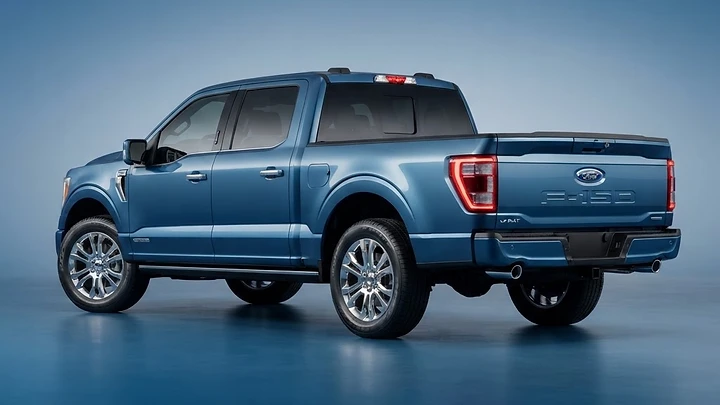

Preparing Your Vehicle for Maximum Appraisal First impressions are not just for people; they are for cars, too.
Before you head to a dealership or an online appraisal center, treat your vehicle to a professional detail. A clean car signals to an appraiser that the vehicle has been well-cared for, which can subtly influence the offer. Beyond aesthetics, gather your maintenance records. A documented history of oil changes, tire rotations, and major services—like the 2026 Toyota RAV4 Hybrid’s scheduled maintenance—proves that you have been a responsible steward of the machine. Transparency in your vehicle’s condition, including being honest about any minor dings or mechanical quirks, builds trust and often leads to a smoother, more favorable negotiation. 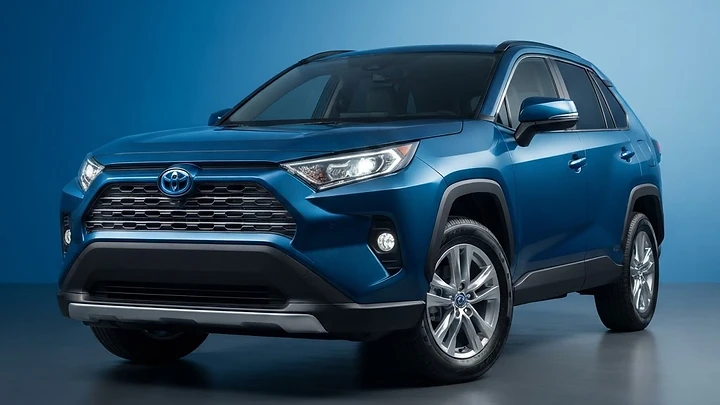

Dealer Trade-In vs.
Private Sale: Which Path? Trading in at a dealership offers unparalleled convenience. You can drop off your old vehicle and drive away in your new one in a single afternoon, often benefiting from tax advantages where you only pay sales tax on the difference between the new car price and your trade-in value. However, a private sale will almost always net you more cash. If you have the time and patience to manage inquiries, test drives, and paperwork, a private sale is the superior financial choice. If your priority is a seamless, stress-free transition that gets you back on the road quickly, the dealership trade-in remains the gold standard for efficiency. 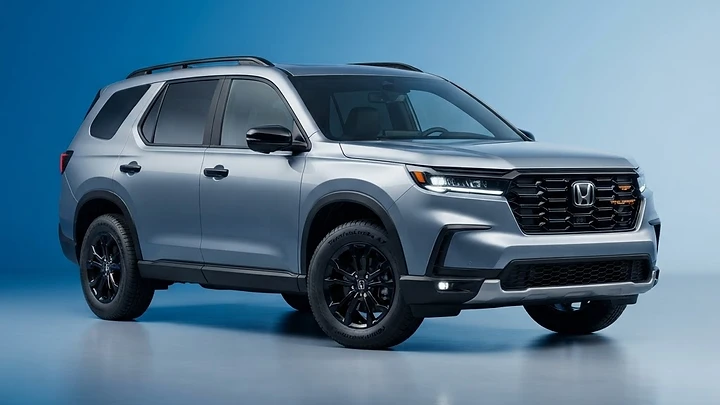

Frequently Asked Questions
What month is best to trade in a car?
While market conditions fluctuate, the spring window of March through May is widely considered the best time to trade in due to high seasonal demand for used vehicles. #
Does high mileage hurt trade-in value?
Yes, mileage is a primary factor in depreciation. Trading in before hitting major milestones like 60,000 or 100,000 miles can help you retain more value. #
Should I fix my car before trading it in?
Only if the repair is minor and significantly impacts the car's appearance or drivability. Major repairs often cost more than the value they add to the trade-in offer. #
How do I know if I have positive equity?
Check your current loan payoff amount against the estimated trade-in value from reputable online tools. If the value is higher than the payoff, you have positive equity.
The Bottom Line The best time to trade in your car is when your personal needs align with your financial readiness.
Do not let market timing override your reality; if your current vehicle is becoming a financial burden or no longer fits your family’s safety and space requirements, the "right" time is today. By preparing your vehicle, understanding your equity position, and comparing offers from multiple sources, you can step into your next vehicle with confidence, knowing you have made a smart, transparent, and empowering choice for your future on the road.
The cars in this story
The real price and honest verdict on each one
- 2026 Ford F-150Full-Size Pickup · from $39,330
- 2026 Toyota RAV4Compact SUV · from $31,900
- 2026 Honda PilotMid-Size SUV · from $42,195
More car news

Smart Car Buying: Navigating the 2026 Market With Confidence
Master the 2026 car buying market with our honest guide. Learn how to secure financing, avoid hidden fees, and find the right vehicle for your budget today.

Paint Protection Film: Is PPF Worth It in 2026?
Considering paint protection film for your new 2026 vehicle? We break down the costs, benefits, and whether PPF is truly worth the investment for your car.

Lease vs. Buy: The 2026 Honest Guide to Your Best Deal
Struggling to choose between leasing and buying in 2026? We break down the real costs, equity, and long-term value to help you make the right financial move.