2026 Car Buying Strategy: Navigating Prices and Value
Master the 2026 car buying market with our honest guide. Learn how to navigate record-high prices, interest rates, and find the best value for your family.
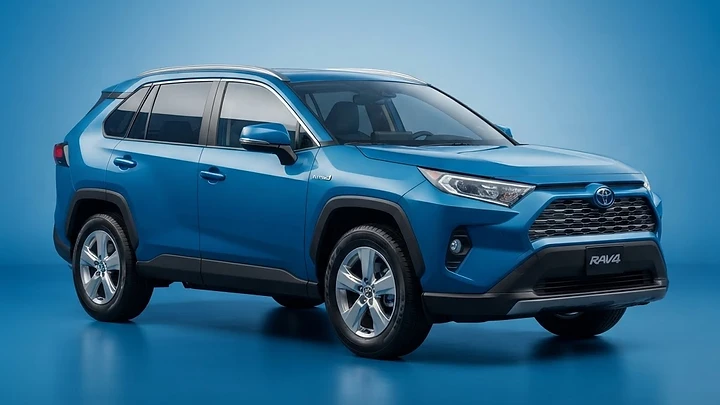
There is a specific, quiet magic to the moment you pull a new vehicle out of the driveway for the first time. The scent of fresh materials, the crisp response of a modern engine, and the promise of thousands of miles of road trips, school runs, and quiet morning commutes—it is a feeling of pure potential. Yet, for the American family in 2026, that excitement is often tempered by the reality of the showroom floor. With new car transaction prices hovering near $49,275 and interest rates holding steady around 6.2 percent, the 2026 car buying landscape requires more than just a desire for a new set of wheels; it demands a calculated, transparent strategy to ensure your investment serves your life rather than draining your bank account.
The Reality of 2026 Car Prices and Market Trends The market has shifted significantly.
While dealers are reporting higher inventory levels compared to the supply-constrained years of the recent past, prices remain stubbornly high. This is driven by a combination of advanced safety regulations, complex infotainment systems, and the rising cost of raw materials. For the average buyer, the gap between new and used vehicles has narrowed in terms of total cost of ownership, especially when you factor in the higher APRs—often reaching 11 percent—associated with used car financing. If you are looking for a vehicle that balances modern reliability with long-term value, the 2026 Toyota RAV4 Hybrid remains a benchmark for efficiency, while the 2026 Honda CR-V continues to offer the interior packaging that families demand. 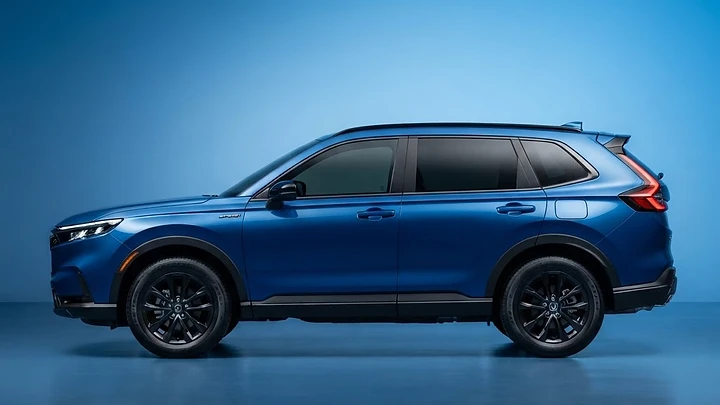
Financing Your Purchase Without the Pressure The most dangerous phrase in a dealership is 'What do you want your monthly payment to be?' This question is designed to distract you from the total cost of the vehicle and the interest rate you are being charged. As a rule of thumb, aim to keep your total auto payment under 12 percent of your gross monthly income. Before you step onto a lot, secure pre-approval from a local credit union or your primary bank. This gives you a 'walk-away' number and prevents the finance office from inflating your rate to earn a kickback. Remember, transparency is your greatest asset; if a dealer refuses to break down the 'out-the-door' price including all taxes and fees, you are in the wrong place. 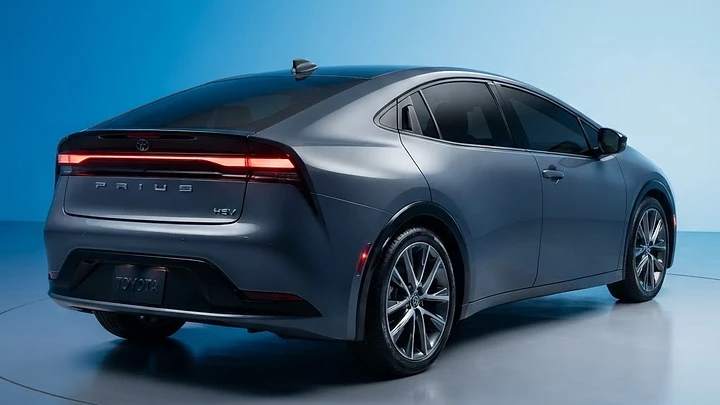

Why Hybrid Powertrains Are Winning the Value War In 2026, the conversation around fuel economy has moved beyond simple gas savings.
With fuel price sensitivity spiking whenever pump prices fluctuate, the plug-in hybrid (PHEV) and traditional hybrid segments have seen massive growth. The plug-in Prius, for instance, has seen search interest more than double, reflecting a shift toward buyers who want the flexibility of gas for long trips and the efficiency of electric for daily errands. When calculating your budget, look at the five-year cost of ownership. A slightly higher upfront cost for a hybrid model often pays for itself within 36 to 48 months through reduced fuel consumption and lower maintenance requirements compared to complex, high-performance internal combustion engines. 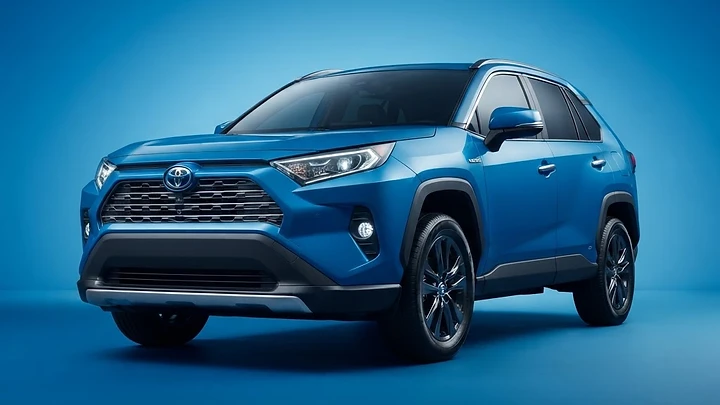

Evaluating Tech: What Actually Matters?
We are living in the era of the 'panoramic display,' where screens are becoming the primary way we judge a vehicle's worth. However, do not let a massive infotainment screen blind you to the mechanical fundamentals. Prioritize safety tech that actually protects your family—such as blind-spot monitoring, automatic emergency braking, and lane-keep assist—over gimmicky software features that may become obsolete or require expensive subscription fees in a few years. A vehicle that is built on a solid, reliable platform will always be a better investment than a 'gadget-on-wheels' that lacks long-term durability. 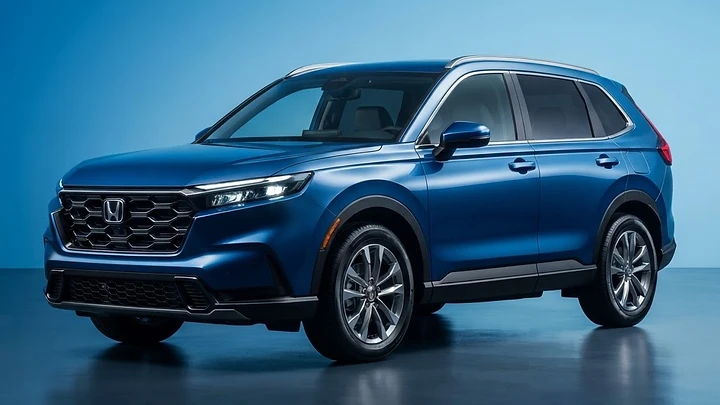

Frequently Asked Questions
Is it better to buy new or used in 2026?
It depends on your financing. While used cars have a lower sticker price, the higher interest rates on used loans can make the total cost of ownership surprisingly close to a new vehicle. If you can secure a low-rate promotional loan on a new model, it often provides better long-term value. #
How much should I spend on a car?
Aim for a total monthly payment that does not exceed 12 percent of your gross monthly income. This ensures you have enough breathing room for insurance, maintenance, and unexpected life expenses. #
Are extended warranties worth it?
For most reliable, mass-market vehicles, extended warranties are often overpriced. If you are buying a vehicle with complex, cutting-edge technology, a manufacturer-backed extended warranty might offer peace of mind, but avoid third-party 'service contracts' sold by dealers. #
What is the best way to negotiate?
Focus on the 'out-the-door' price. Ignore the monthly payment talk until you have agreed on the final price of the car, including all taxes, registration, and dealer fees.
The Bottom Line The 2026 car market is not a place for impulse buys.
By focusing on total cost of ownership, securing your own financing, and prioritizing proven hybrid reliability over flashy, short-lived tech, you can find a vehicle that brings joy to your daily life without compromising your financial future. Take your time, do your research, and remember: the best deal is the one that lets you sleep soundly at night.
The cars in this story
The real price and honest verdict on each one
- 2026 Honda CR-VCompact SUV · from $30,920
- 2026 Toyota RAV4Compact SUV · from $31,900
- 2026 Toyota PriusCompact Sedan · from $28,550
More car news

Are Extended Car Warranties Worth It? The 2026 Honest Guide
Considering an extended car warranty? We break down the real costs, coverage gaps, and whether these service contracts actually protect your wallet in 2026.

Minivan vs. SUV: The 2026 Honest Family Buyer’s Guide
Choosing between a minivan and a three-row SUV in 2026? We break down the real-world differences in space, fuel economy, and family utility to help you decide.

Car Subscription vs. Buying: The 2026 Honest Buyer’s Guide
Is a car subscription better than buying or leasing in 2026? We break down the real costs, flexibility, and ownership trade-offs for your family lifestyle.