Are Extended Car Warranties Worth It? The 2026 Honest Guide
Considering an extended car warranty? We break down the real costs, coverage gaps, and whether these service contracts actually protect your wallet in 2026.
There is a specific, quiet magic to the moment you drive a new vehicle off the lot. The scent of fresh materials, the crisp responsiveness of the steering, and the promise of thousands of miles of open road ahead create a sense of limitless possibility. Yet, as you sit in the finance office, that feeling of wonder is often interrupted by a high-pressure pitch for an extended car warranty. It is presented as a shield against the unpredictable, a way to lock in peace of mind. But before you sign, it is vital to separate the genuine protection from the profit-driven add-ons that clutter the modern car-buying experience.
Understanding the Vehicle Service Contract Reality In the industry, what most people call an 'extended warranty' is technically a Vehicle Service Contract (VSC).
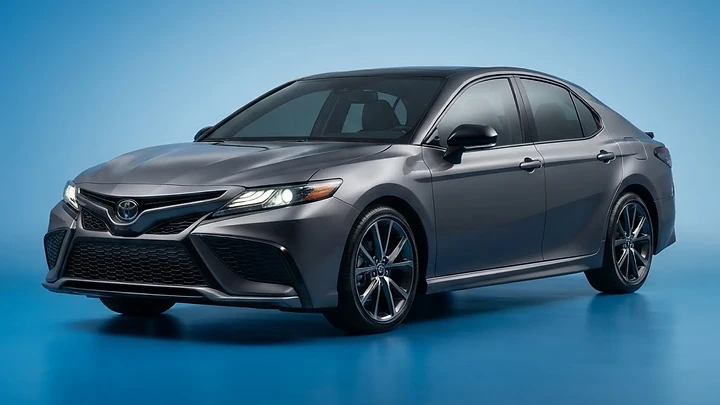
Unlike a manufacturer’s factory warranty—which is included in the price of your 2026 Toyota Camry or Ford F-150—a VSC is an optional, third-party or dealer-backed product. It is essentially an insurance policy for your car’s mechanical components. While a factory warranty covers defects in materials or workmanship, a VSC is designed to cover specific repairs after that factory coverage expires. The critical distinction here is that a VSC is not a warranty; it is a contract that dictates exactly what is covered, what is excluded, and where you can have your vehicle serviced. 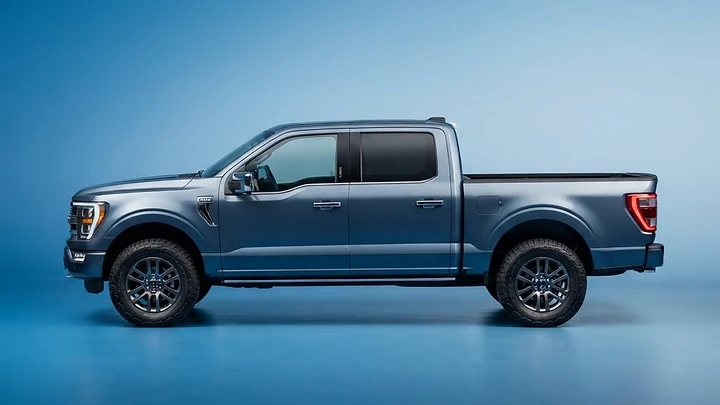
When Does an Extended Warranty Actually Make Sense?
The decision to purchase a VSC should be based on math, not fear. If you are driving a vehicle known for complex, expensive-to-repair technology—such as a high-end luxury SUV with advanced air suspension or a sophisticated hybrid powertrain—the potential cost of a single major failure could be significant. For a 2026 Hyundai Ioniq 5 or a similar tech-heavy vehicle, the cost of replacing a high-voltage component outside of the factory warranty can be staggering. If you plan to keep your vehicle well beyond the standard 3-year/36,000-mile or 5-year/60,000-mile factory coverage, a reputable VSC might provide a safety net. However, if you typically trade in your car every four years, you are likely paying for coverage you will never use. 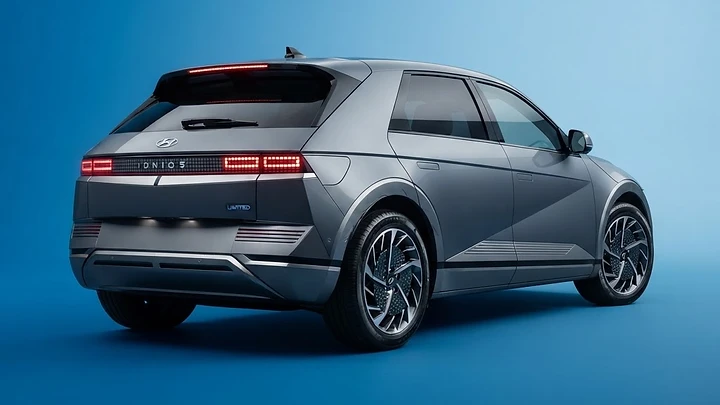

The Hidden Costs and Negotiation Tactics Dealerships often bundle VSCs into your monthly payment, making the cost feel negligible.
Do not be fooled. The price of these contracts is highly negotiable, and dealers often mark them up significantly to pad their margins. If you are considering a contract, always ask for a sample agreement. Read the fine print to identify 'wear items'—like brake pads, windshield wipers, and tires—which are almost never covered. Furthermore, check if the contract requires you to use the dealership’s service department or if you can visit an independent mechanic. A contract that forces you to return to a specific dealer can be a major inconvenience if you move or travel frequently. 

Frequently Asked Questions
Are extended warranties required to get a better interest rate?
No. While some finance managers may imply that a VSC is necessary to secure a promotional rate, this is a common pressure tactic. You are never legally required to purchase a service contract to qualify for an auto loan. #
Can I buy an extended warranty later?
Yes. You do not need to purchase a VSC at the time of sale. In fact, waiting allows you to see how the vehicle performs and whether you actually enjoy owning it long-term. You can often purchase a manufacturer-backed plan directly from the brand’s website or a local dealer even after you have taken the car home. #
What is the difference between a CPO warranty and a VSC?
A Certified Pre-Owned (CPO) warranty is typically backed by the manufacturer and extends the original factory coverage. It is generally more comprehensive and easier to use than a third-party VSC, as it is honored at any authorized dealership in the country. 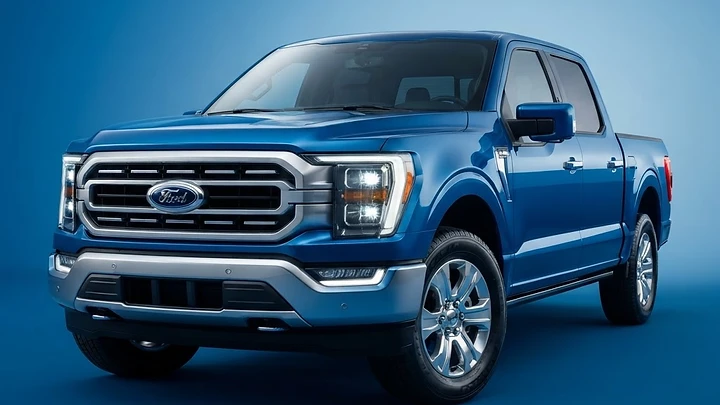

The Bottom Line The most honest advice we can give is this: save your money in a high-yield savings account instead of buying a VSC upfront.
If you reach the end of your factory warranty and your car has been reliable, you have saved thousands of dollars. If you find that your specific model has a history of common, expensive failures, you can then choose to purchase a reputable, manufacturer-backed plan at that time. Always prioritize the factory warranty, maintain your vehicle according to the owner’s manual, and keep your emergency fund ready. True peace of mind comes from knowing you have the cash to handle a repair, not from a contract that might deny your claim when you need it most.
The cars in this story
The real price and honest verdict on each one
- 2026 Ford F-150Full-Size Pickup · from $39,330
- 2026 Toyota CamryMid-Size Sedan · from $28,850
- 2026 Lucid AirLuxury Electric Sedan · from $70,900
More car news

Minivan vs. SUV: The 2026 Honest Family Buyer’s Guide
Choosing between a minivan and a three-row SUV in 2026? We break down the real-world differences in space, fuel economy, and family utility to help you decide.

Car Subscription vs. Buying: The 2026 Honest Buyer’s Guide
Is a car subscription better than buying or leasing in 2026? We break down the real costs, flexibility, and ownership trade-offs for your family lifestyle.

Subcompact vs Compact SUV: The 2026 Honest Buyer’s Guide
Choosing between a subcompact and compact SUV in 2026? We break down the real-world differences in space, fuel economy, and value to help you decide.