Car Subscription vs. Buying: The 2026 Honest Buyer’s Guide
Is a car subscription better than buying or leasing in 2026? We break down the real costs, flexibility, and ownership trade-offs for your family lifestyle.
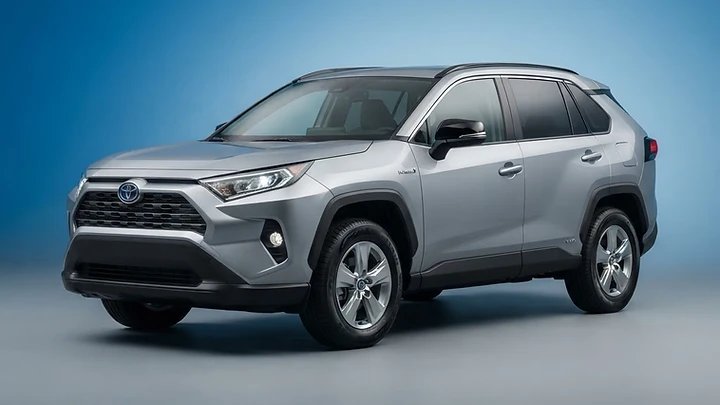
There is a specific, quiet magic to the open road—the way the morning light catches the hood of your vehicle as you pull out of the driveway, the hum of the engine, and the promise of a journey that belongs entirely to you. For decades, that feeling was tethered to the traditional act of buying: signing the papers, securing the title, and knowing that the machine in your garage was yours to keep. But in 2026, the landscape of mobility is shifting. As you weigh your options, you might be wondering if the traditional path is still the best one, or if the rising trend of car subscriptions offers a more modern, stress-free way to experience the road. Whether you are eyeing a reliable family hauler like the Toyota RAV4 or a versatile SUV like the Honda CR-V, the decision between subscribing and buying is no longer just about the monthly payment—it is about how you want to live your life.
Understanding the Car Subscription Model In 2026, a car subscription is essentially an all-inclusive, flexible alternative to traditional ownership.
Unlike a loan or a lease, which often locks you into a multi-year commitment, a subscription typically operates on a month-to-month basis. You pay a single, bundled fee that covers the vehicle, insurance, routine maintenance, and registration. It is designed for the buyer who values convenience above all else. Imagine skipping the dealership negotiation, the insurance shopping, and the headache of scheduling service appointments. For many, this "usership" model feels like a breath of fresh air, especially when you consider that a 2026 Toyota RAV4 Hybrid XLE might cost you roughly $610 a month on a traditional loan, whereas a subscription might bundle those costs into a higher, but more predictable, monthly figure. 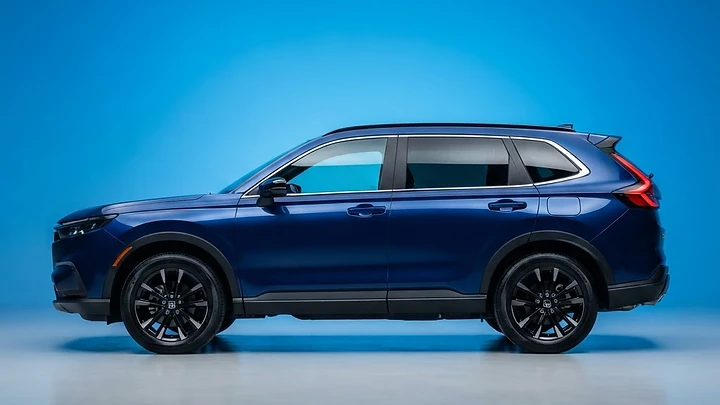
The Case for Traditional Ownership Buying a car remains the gold standard for building long-term equity.
When you purchase a vehicle, you are investing in an asset that, while it depreciates, eventually becomes yours free and clear. If you plan to keep your vehicle for five to seven years, the math almost always favors buying. With a 2026 Honda CR-V, for example, you might pay $36,000 upfront or finance it over 60 months. Once that loan is paid off, you have no monthly payment, and the car retains a significant resale value—often $16,000 to $20,000 depending on the market. Ownership also grants you the freedom to customize your vehicle, drive unlimited miles, and avoid the "disposition fees" often found at the end of a lease. 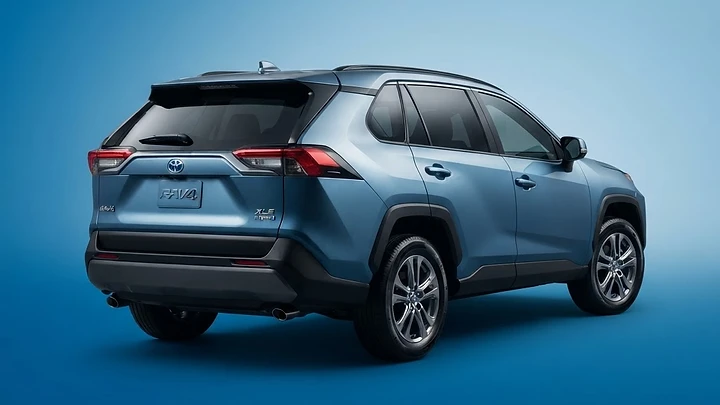

When Flexibility Outweighs Equity There are moments in life when the rigidity of a five-year loan feels like a burden.
Perhaps you are a digital nomad, a young professional in a transitional phase, or a family that anticipates changing needs in the next 18 months. This is where subscriptions shine. If you need a compact SUV today but might need a larger three-row vehicle next year, a subscription allows you to swap your ride without the hassle of selling or trading in. It is a premium paid for agility. However, be warned: if you are looking for the most affordable way to get from point A to point B, subscriptions are rarely the cheapest route. You are paying for the convenience of an "off-ramp" that traditional contracts do not provide. 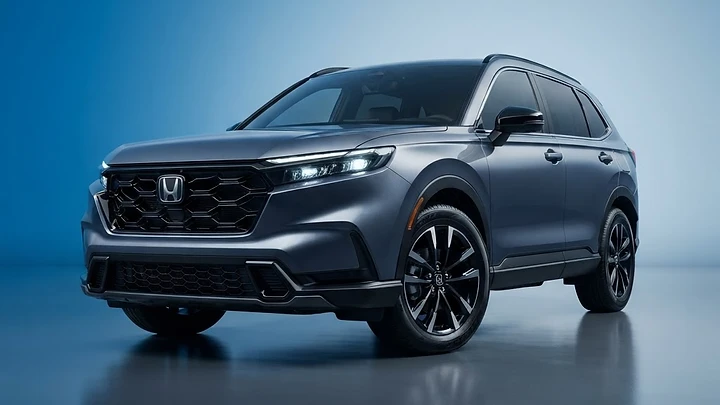

Hidden Costs and the Fine Print Before you sign up for a subscription, look closely at the fine print.
Some services exclude insurance, requiring you to arrange your own policy, which negates part of the "all-inclusive" appeal. Furthermore, while a $20 monthly fee for a "connected feature" might seem small, these costs add up over the life of the vehicle. Always calculate the total cost of ownership over 36 months. If a subscription costs 30% more than a lease for the same vehicle, you must decide if the ability to cancel with 14 days' notice is worth that premium. For most families, the stability of a fixed-rate loan is still the most transparent path to financial health. 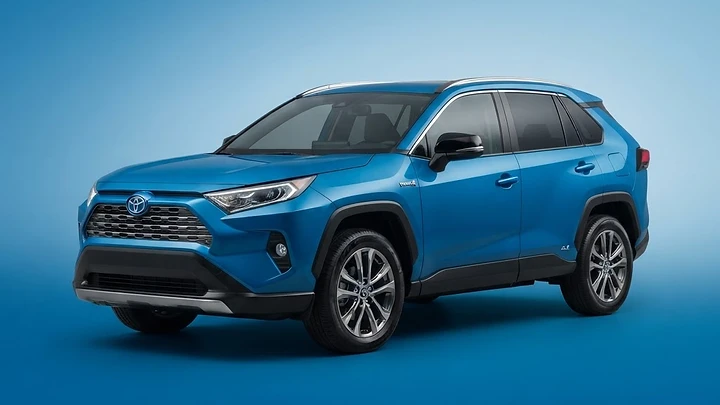

Frequently Asked Questions
Is a car subscription cheaper than buying?
Generally, no. Buying is almost always cheaper in the long run because you build equity. Subscriptions are a premium service that prioritizes convenience and flexibility over total cost savings. #
Can I cancel a car subscription anytime?
Most subscription services require a minimum term (often 30 days), after which you can cancel with a notice period, typically 14 days. This is far more flexible than breaking a 36-month lease. #
Does a subscription include insurance?
It depends on the provider. Some include comprehensive insurance in the monthly fee, while others require you to provide your own. Always verify this before signing. #
Who is the ideal candidate for a car subscription?
The ideal subscriber is someone who values time over money, needs a vehicle for a short-to-medium term, or wants to avoid the long-term commitment of a traditional auto loan.
The Bottom Line If you are looking for the most honest, cost-effective way to manage your family's transportation, buying remains the superior choice.
It builds equity, offers total freedom, and avoids the "subscription creep" that is becoming common in modern vehicles. However, if your life is in flux and you value the ability to walk away from a contract without penalty, a subscription is a powerful, modern tool. Choose the path that aligns with your financial goals, not just your desire for a new set of keys.
The cars in this story
The real price and honest verdict on each one
- 2026 Honda CR-VCompact SUV · from $30,920
- 2026 Toyota RAV4Compact SUV · from $31,900
- 2026 Lucid AirLuxury Electric Sedan · from $70,900
More car news

Minivan vs. SUV: The 2026 Honest Family Buyer’s Guide
Choosing between a minivan and a three-row SUV in 2026? We break down the real-world differences in space, fuel economy, and family utility to help you decide.

Subcompact vs Compact SUV: The 2026 Honest Buyer’s Guide
Choosing between a subcompact and compact SUV in 2026? We break down the real-world differences in space, fuel economy, and value to help you decide.

Total Cost of Ownership: The 2026 Car Buying Reality Check
Think you can afford that new car? Discover the real 2026 cost of ownership, from depreciation to insurance, and learn how to budget like a pro.