Subcompact vs Compact SUV: The 2026 Honest Buyer’s Guide
Choosing between a subcompact and compact SUV in 2026? We break down the real-world differences in space, fuel economy, and value to help you decide.
There is a specific, quiet magic to the open road—the way the morning light catches the hood of your car as you pull out of the driveway, the promise of a weekend adventure, and the sheer engineering marvel that allows a machine to carry your family safely across miles of asphalt. For many American buyers in 2026, the decision between a subcompact and compact SUV is the first step toward that freedom. It is a choice between agility and utility, between the nimble ease of a city-friendly crossover and the expansive comfort of a family-ready hauler. Understanding the nuance of this segment is essential to ensuring your next vehicle purchase brings you joy rather than compromise.
Defining the Divide: Subcompact vs.
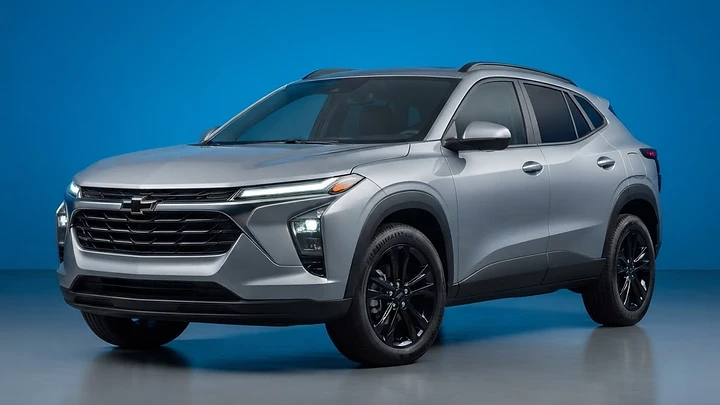
Compact SUVs The primary difference between these two categories often comes down to footprint and purpose. Subcompact SUVs, like the 2026 Chevrolet Trax or the 2026 Hyundai Kona, are designed for urban environments where parking is tight and fuel efficiency is paramount. They offer a higher seating position than a sedan but maintain a smaller, more manageable frame. Compact SUVs, such as the 2026 Honda CR-V or the 2026 Subaru Forester, provide a significant step up in interior volume, cargo capacity, and often, ride refinement. If your lifestyle involves frequent road trips, hauling sports gear, or managing a growing family, the compact segment is usually the sweet spot. 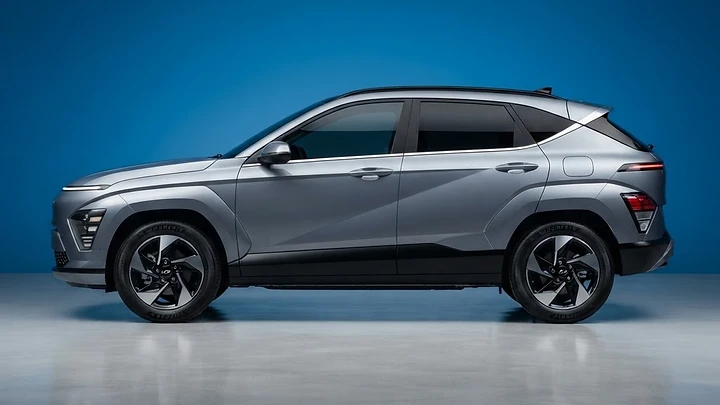
Real-World Costs and Fuel Efficiency When you look at the numbers, subcompact SUVs generally win on the initial price tag.
For instance, the 2026 Chevrolet Trax starts around $23,495, making it an incredibly accessible entry point for new buyers. In contrast, a well-equipped compact SUV like the 2026 Honda CR-V will command a higher premium, often starting north of $30,000. However, fuel economy is where the lines blur. While subcompacts are traditionally more efficient, modern compact hybrids are closing the gap rapidly. If you prioritize long-term savings, consider the total cost of ownership, including insurance and maintenance, rather than just the sticker price. 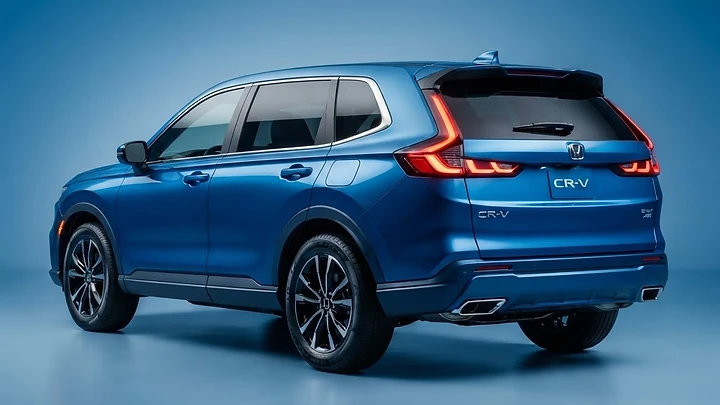

Space, Comfort, and Family Utility The most common regret among new car buyers is underestimating their space needs.
A subcompact SUV is perfect for singles, couples, or small families who prioritize maneuverability. However, if you are installing bulky rear-facing car seats or need to pack a stroller alongside a week’s worth of groceries, the extra inches of legroom and cargo depth in a compact SUV become invaluable. The 2026 Subaru Forester, for example, offers a boxy, practical design that maximizes every cubic foot, making it a favorite for families who need genuine utility without moving up to a massive three-row vehicle. 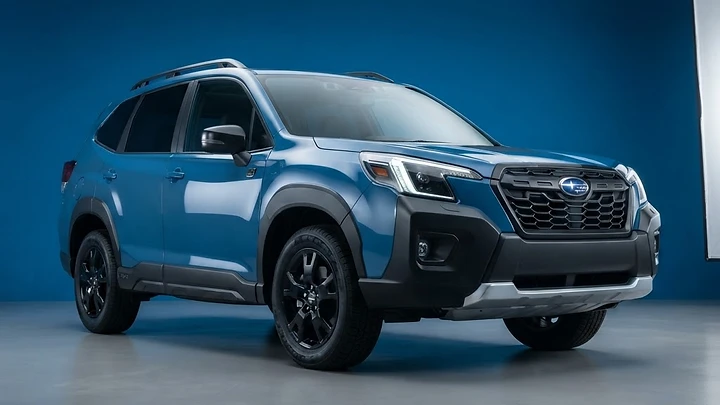

Safety and Technology Considerations In 2026, safety tech has become democratized, but it is not uniform.
Both segments now feature advanced driver-assistance systems (ADAS) as standard, including automatic emergency braking and lane-keeping assist. However, compact SUVs often offer more sophisticated suspension setups and sound-deadening materials, which contribute to a more composed, less fatiguing driving experience on long highway stretches. When test-driving, pay attention to how the vehicle handles road noise and bumps; the extra weight and wheelbase of a compact SUV often translate to a more premium, stable feel. 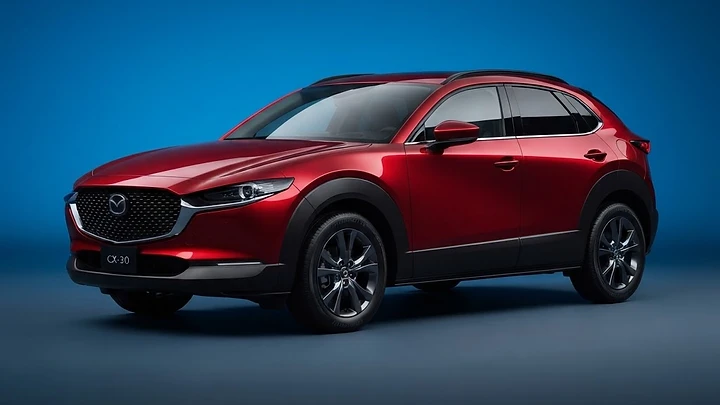

Frequently Asked Questions
Which is better for city driving?
Subcompact SUVs are generally superior for city driving due to their smaller turning radius and ease of parking in tight urban spots. #
Do compact SUVs have significantly more cargo space?
Yes, compact SUVs typically offer 10 to 15 cubic feet more cargo volume than their subcompact counterparts, which is a noticeable difference for road trips. #
Are subcompact SUVs reliable?
Many subcompact models, such as the 2026 Mazda CX-30, have excellent reliability ratings, but always check specific model-year data before purchasing. #
Is the extra cost of a compact SUV worth it?
If you have a family or frequently travel with passengers, the added comfort, safety, and utility of a compact SUV usually justify the higher price tag over the long term.
The Bottom Line If you are a city dweller or a solo commuter, the 2026 subcompact SUV segment offers incredible value, style, and efficiency.
However, for families or those who view their vehicle as a primary tool for adventure, the 2026 compact SUV remains the gold standard. We recommend prioritizing the compact segment if your budget allows, as the added versatility provides a better long-term return on your investment.
The cars in this story
The real price and honest verdict on each one
- 2026 Subaru ForesterCompact SUV · from $29,995
- 2026 Honda CR-VCompact SUV · from $30,920
- 2026 Chevrolet TraxCompact SUV · from $21,700
- 2026 Mazda CX-30Compact SUV · from $25,100
More car news

Car Subscription vs. Buying: The 2026 Honest Buyer’s Guide
Is a car subscription better than buying or leasing in 2026? We break down the real costs, flexibility, and ownership trade-offs for your family lifestyle.

Minivan vs. SUV: The 2026 Honest Family Buyer’s Guide
Choosing between a minivan and a three-row SUV in 2026? We break down the real-world differences in space, fuel economy, and family utility to help you decide.

Total Cost of Ownership: The 2026 Car Buying Reality Check
Think you can afford that new car? Discover the real 2026 cost of ownership, from depreciation to insurance, and learn how to budget like a pro.