Total Cost of Ownership: The 2026 Car Buying Reality Check
Think you can afford that new car? Discover the real 2026 cost of ownership, from depreciation to insurance, and learn how to budget like a pro.
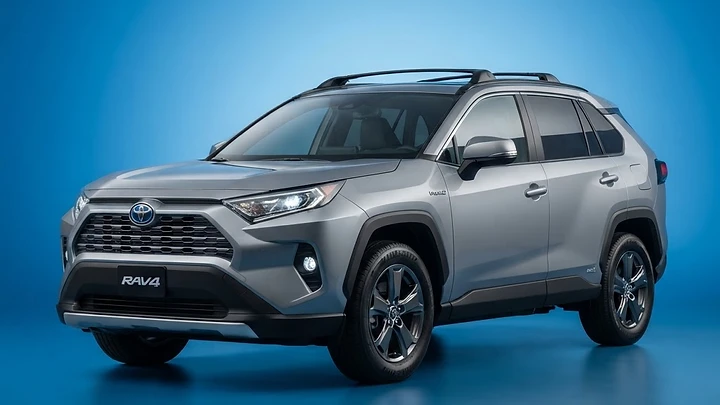
There is a specific, quiet magic to the moment you pull a new car out of the dealership lot. The scent of fresh upholstery, the crisp response of a brand-new engine, and the promise of thousands of miles of open road ahead—it is a feeling of pure possibility. But as the excitement settles, the reality of the road begins. In 2026, the sticker price is only the opening act of a much longer financial story. With the average annual cost to own and operate a new vehicle now hitting $12,863, understanding the true total cost of ownership is no longer just smart—it is essential for your family’s financial health.
Beyond the Sticker: What You Are Really Paying For When we talk about car buying, we often fixate on the monthly payment or the MSRP.
However, the true cost of ownership is a complex ecosystem of expenses that persist long after the keys are in your hand. According to 2026 data, depreciation remains the single largest expense for most owners. It is the silent thief of your investment, often accounting for a significant portion of that $1,071 monthly average. When you factor in insurance, fuel, maintenance, and registration, the math changes quickly. For instance, while a compact SUV might seem affordable at a $32,000 price point, its five-year operating cost can vary wildly depending on whether you choose a gas-powered model or a hybrid. 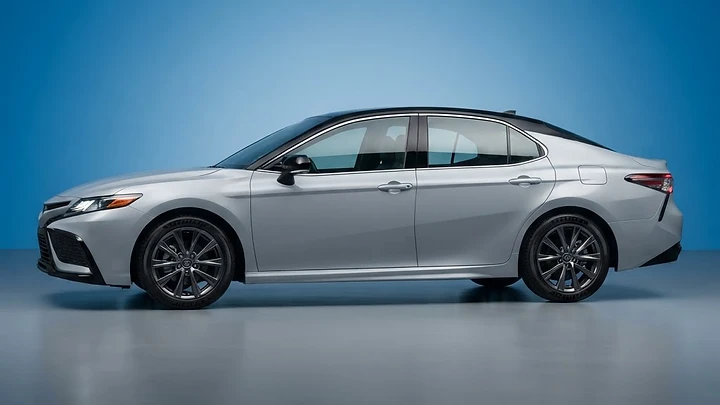
The Hybrid Advantage in 2026 If you are looking for the sweet spot between efficiency and long-term value, hybrids are currently leading the conversation.
In 2026, hybrids have proven to be the most consistently lower-cost alternative to traditional gas-powered vehicles across categories like medium sedans and compact SUVs. They offer a unique hedge against fluctuating fuel prices without the steep depreciation curve often seen in some early-stage electric vehicles. For a family needing a reliable daily driver, a vehicle like the 2026 Toyota RAV4 Hybrid offers a compelling balance of utility and predictable running costs. By choosing a powertrain that aligns with your actual driving habits—rather than just the latest tech trend—you can save thousands over the life of the vehicle. 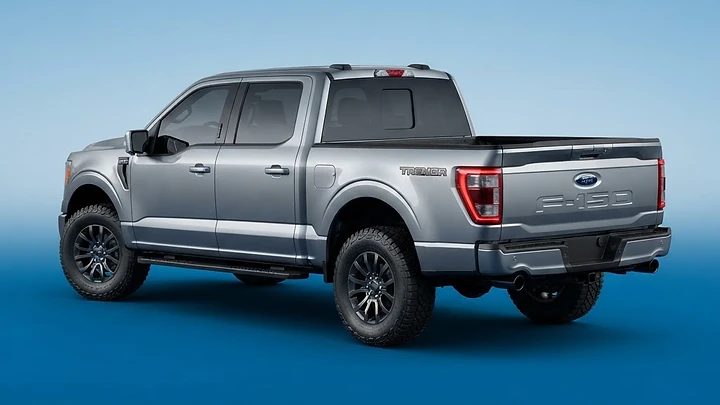

Why Vehicle Category Matters for Your Budget The type of vehicle you choose dictates your financial trajectory more than almost any other factor.
AAA’s latest analysis highlights a stark reality: a half-ton pickup truck can cost upwards of $1.10 per mile to operate, which is roughly 48 cents more per mile than a small sedan. Over a year, that difference adds over $7,000 to your expenses. If you are a family of four, the temptation to buy the largest SUV on the lot is strong, but it is worth asking: do you need the extra capacity every day, or just for the occasional road trip? Choosing a vehicle that fits your actual transportation needs is the most effective way to manage long-term costs. 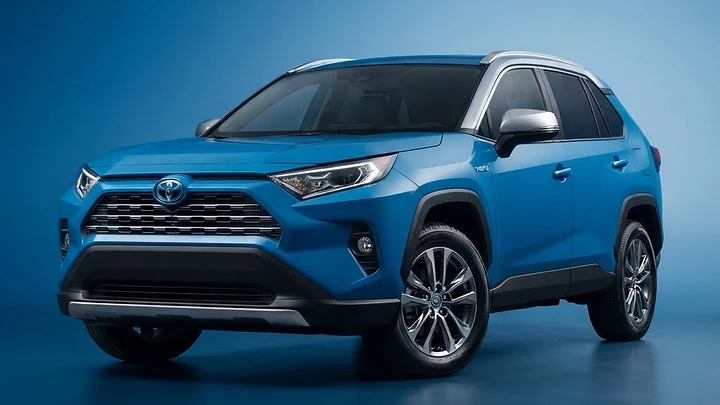

Frequently Asked Questions
What is the biggest hidden cost of car ownership?
Depreciation is the largest, often overlooked cost. It is the difference between what you pay today and what the car will be worth when you sell or trade it in. #
Are electric vehicles cheaper to own than gas cars?
It depends. While EVs often have lower fuel and maintenance costs, some models face higher depreciation rates, which can make their total five-year cost of ownership higher than comparable hybrids or gas vehicles. #
How can I calculate my own driving costs?
You should create a budget that includes your monthly loan payment, estimated insurance premiums, fuel costs based on your commute, and a set-aside fund for annual maintenance and tires. #
Is it better to buy a new or used car in 2026?
New cars offer warranties and the latest safety tech, but used cars have already taken the biggest depreciation hit. If you prioritize long-term value, a late-model used vehicle is often the smartest financial move. 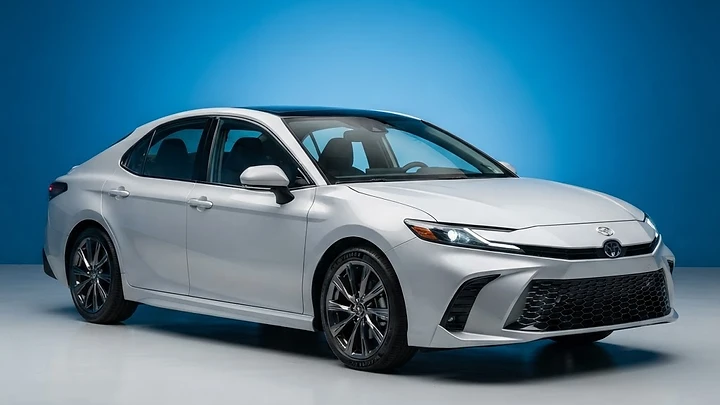

The Bottom Line The 2026 market is complex, but your path to a smart purchase is clear.
Do not let the excitement of a new car blind you to the math. Before you sign any paperwork, look past the monthly payment and calculate your total cost of ownership over five years. Prioritize vehicles with proven reliability and manageable depreciation, and be honest about whether you truly need the extra size or power. By focusing on the long-term reality rather than the short-term thrill, you ensure that your car remains a tool for your family’s freedom, not a drain on your future.
The cars in this story
The real price and honest verdict on each one
- 2026 Toyota RAV4Compact SUV · from $31,900
- 2026 Ford F-150Full-Size Pickup · from $39,330
- 2026 Toyota CamryMid-Size Sedan · from $28,850
More car news

Are Extended Car Warranties Worth It? The 2026 Honest Guide
Considering an extended car warranty? We break down the real costs, coverage gaps, and whether these service contracts actually protect your wallet in 2026.

Minivan vs. SUV: The 2026 Honest Family Buyer’s Guide
Choosing between a minivan and a three-row SUV in 2026? We break down the real-world differences in space, fuel economy, and family utility to help you decide.

Car Subscription vs. Buying: The 2026 Honest Buyer’s Guide
Is a car subscription better than buying or leasing in 2026? We break down the real costs, flexibility, and ownership trade-offs for your family lifestyle.