2026 Car Maintenance Costs: How to Protect Your Investment
Rising repair costs are reshaping ownership. Learn how to manage 2026 car maintenance costs and protect your vehicle's long-term value with our honest guide.

There is a quiet, mechanical poetry to the open road—the way a well-engineered machine hums beneath you, turning miles of asphalt into memories of family road trips and morning commutes. Yet, for many American drivers in 2026, that sense of wonder is increasingly shadowed by the rising reality of maintenance and repair costs. With the average service visit now frequently exceeding $800, understanding how to protect your vehicle is no longer just about mechanics; it is about financial stewardship. Whether you are driving a reliable hybrid or a high-tech EV, your car is a significant asset that demands a proactive strategy to keep it running at its peak.
The True Cost of Ownership in 2026 When you sign the papers for a new vehicle, you are committing to more than just a monthly payment.
Industry data suggests that the average annual expense of owning a new vehicle has climbed to nearly $11,500, factoring in depreciation, insurance, and the inevitable cost of maintenance. The most critical shift in 2026 is the realization that maintenance costs often spike significantly once the manufacturer’s warranty expires, typically between the third and fifth year of ownership. By planning for these expenses early, you avoid the 'repair shock' that catches many buyers off guard. 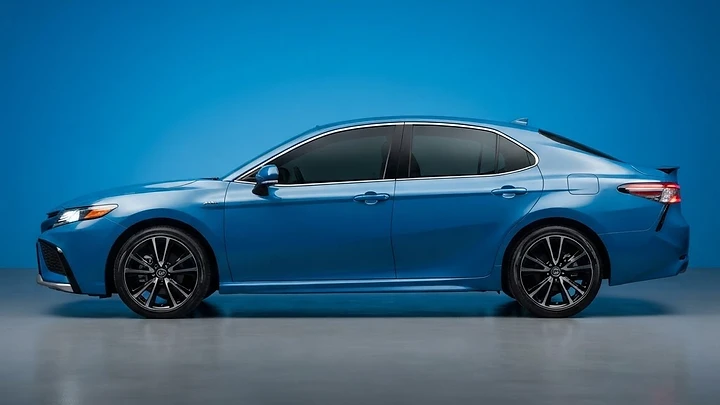
EV vs.
ICE: Maintenance Realities The debate between internal combustion engines (ICE) and electric vehicles (EVs) often centers on fuel savings, but the maintenance gap is equally compelling. EVs, such as the Hyundai Ioniq 5, generally feature fewer moving parts, eliminating the need for oil changes and complex transmission servicing. However, they are not maintenance-free. Owners must account for tire wear—often accelerated by the instant torque of electric motors—and the long-term consideration of battery health. Conversely, traditional vehicles like the Toyota Camry require consistent, scheduled attention to fluids, filters, and belts to maintain their legendary reliability. 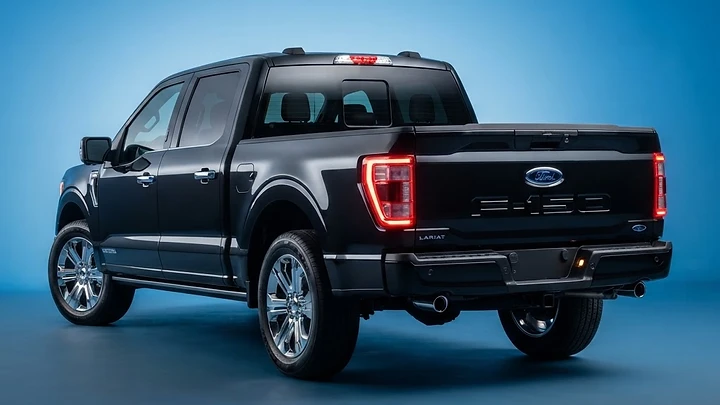

DIY Maintenance: What You Can Actually Do While complex engine diagnostics should always be left to licensed professionals, there is immense value in mastering basic upkeep.
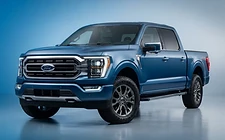
Simple tasks like checking tire pressure, topping off washer fluid, and replacing cabin air filters can save you hundreds of dollars annually. Furthermore, keeping your vehicle clean—both inside and out—is a form of preventative maintenance. A well-detailed car, like a Ford F-150, is less prone to paint degradation and interior wear, which directly impacts its resale value when it comes time to trade in. 

Finding Trustworthy Service Professionals When a repair exceeds your DIY capabilities, finding a licensed, reputable shop is paramount.
Look for facilities registered with the Bureau of Automotive Repair. Transparency is your best defense against hidden fees; always ask for a written estimate before work begins and don't be afraid to ask for a breakdown of parts versus labor. Remember, using genuine manufacturer parts often provides better long-term reliability than cheaper aftermarket alternatives, even if the upfront cost is slightly higher. 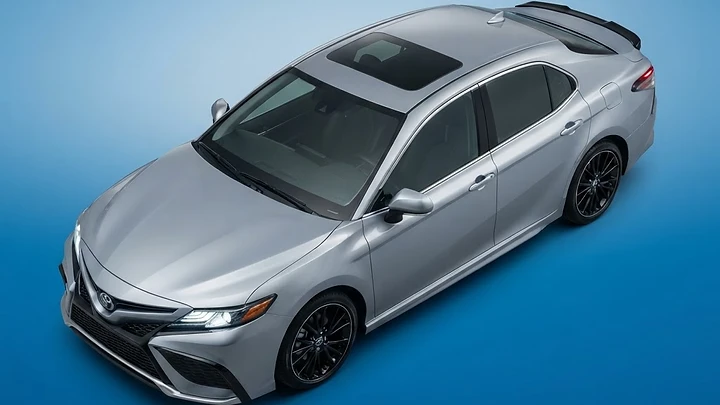

Frequently Asked Questions
How often should I really change my oil?
Always follow the owner’s manual rather than the 'every 3,000 miles' rule of thumb. Modern synthetic oils and engine designs often allow for intervals of 7,500 to 10,000 miles. #
Are extended warranties worth the cost?
They can be, but only if you plan to keep the vehicle well beyond the factory warranty period. Evaluate the cost against the projected repair expenses for your specific make and model. #
Does driving style affect maintenance costs?
Absolutely. Aggressive acceleration and heavy braking increase wear on tires, brake pads, and suspension components. Smooth, consistent driving is the easiest way to extend the life of your vehicle. #
What is the most overlooked maintenance item?
Tire pressure. It affects fuel economy, handling, and tire longevity. Check it monthly, especially during seasonal temperature changes.
The Bottom Line Protecting your vehicle in 2026 requires a shift from reactive repairs to proactive care.
By understanding your specific vehicle's needs, performing simple DIY tasks, and budgeting for long-term service, you can keep your car running smoothly for years. Treat your vehicle as an investment, and it will continue to provide the freedom and reliability you expect from the open road.
The cars in this story
The real price and honest verdict on each one
- 2026 Toyota CamryMid-Size Sedan · from $28,850
- 2026 Ford F-150Full-Size Pickup · from $39,330
- 2026 Lucid AirLuxury Electric Sedan · from $70,900
More car news

Best Time to Trade In a Car: The 2026 Honest Buyer’s Guide
Wondering when to trade in your car? Discover the optimal timing, market trends, and financial strategies to maximize your vehicle's value in 2026.


Smart Car Buying: Navigating the 2026 Market With Confidence
Master the 2026 car buying market with our honest guide. Learn how to secure financing, avoid hidden fees, and find the right vehicle for your budget today.

Paint Protection Film: Is PPF Worth It in 2026?
Considering paint protection film for your new 2026 vehicle? We break down the costs, benefits, and whether PPF is truly worth the investment for your car.