2026 Car Safety: Beyond the Crash Test Rating
Are 5-star ratings enough? Discover why modern car safety in 2026 requires looking past the sticker to evaluate active tech, reliability, and real-world performance.
There is a profound, quiet magic in the way a modern vehicle cradles your family. As you pull out of the driveway, the hum of the engine and the solid thud of the door closing aren't just mechanical sounds; they are promises of protection. In 2026, the landscape of automotive safety has shifted from merely surviving a collision to actively preventing one. While we often fixate on the prestigious 5-star crash test ratings from the NHTSA, the true measure of a vehicle's safety today lies in the invisible web of sensors, software, and engineering that works tirelessly before you even realize a hazard exists. Understanding this evolution is the most important step in your car-buying journey.
The Shift from Passive to Active Protection For decades, safety was defined by how well a car could crumple to absorb energy during an impact.
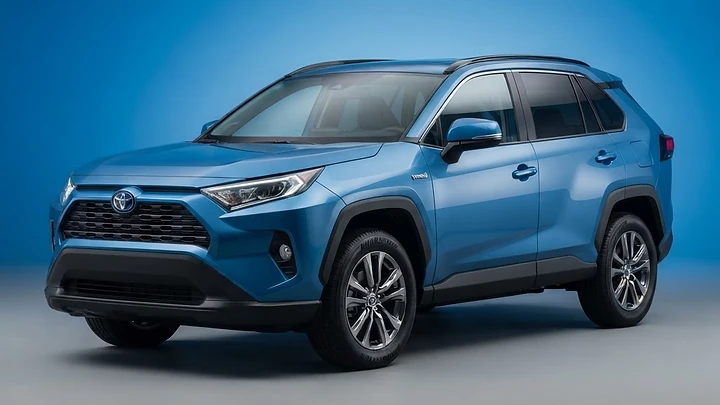
Today, we are in the era of active prevention. Systems like automatic emergency braking, lane-keeping assist, and pedestrian detection are no longer luxury add-ons; they are the new baseline. However, not all systems are created equal. As noted by recent industry benchmarks, the 2026 Tesla Model Y has set a high bar by passing rigorous new federal tests that evaluate how these electronic systems perform in real-world scenarios, rather than just confirming their presence on a spec sheet. When you are shopping for a vehicle like the 2026 Toyota RAV4 or the 2026 Honda CR-V, look beyond the marketing brochures. Ask the dealer specifically about the integration of their safety suite. Is it a cohesive system that communicates across the vehicle's architecture, or is it a collection of disparate parts? 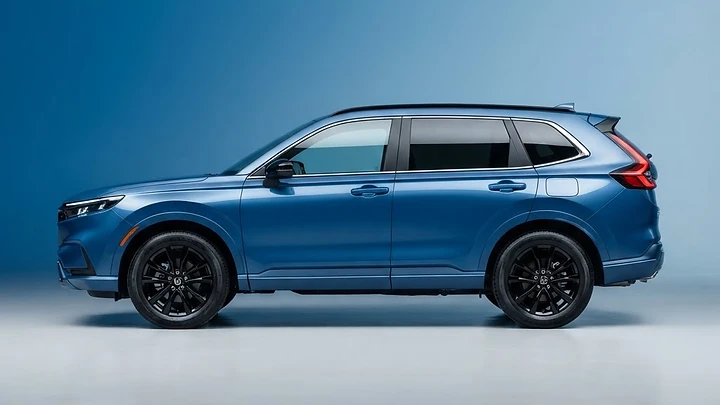
Why Safety Ratings Don't Tell the Whole Story It is tempting to rely solely on the IIHS Top Safety Pick+ list or NHTSA scores, but these are snapshots in time.
A vehicle can earn a perfect score in a laboratory-controlled crash test while simultaneously suffering from poor long-term reliability. This is a critical distinction for the modern buyer. A car that spends more time in the shop for software glitches or sensor recalibration is a car that isn't protecting you on the road. Research from 2026 indicates that some of the highest-rated vehicles for crash safety are currently struggling with predicted reliability. When you evaluate a vehicle, cross-reference its safety accolades with its mechanical track record. A safe car is a reliable car, because it is one that functions exactly as intended when you need it most. 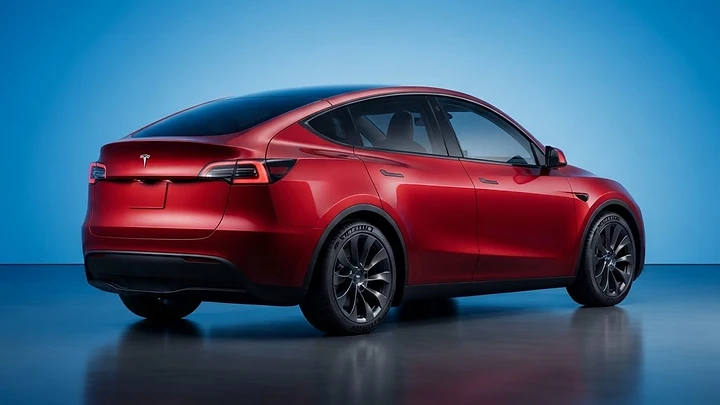

The Human Element: Tech You Can Actually Use We have reached a point where 79% of drivers with access to advanced driver assistance systems find them genuinely helpful.
Yet, there is a divide. Some drivers feel empowered by adaptive cruise control and blind-spot monitoring, while others find the constant alerts distracting. When test-driving a 2026 Hyundai Tucson or a similar model, take the time to adjust these settings. Do you prefer haptic feedback in the steering wheel, or audible chimes? Does the lane-centering feature feel natural, or does it fight your inputs? The best safety feature is one that you trust enough to keep engaged. If a system is so intrusive that you turn it off, it provides zero protection. 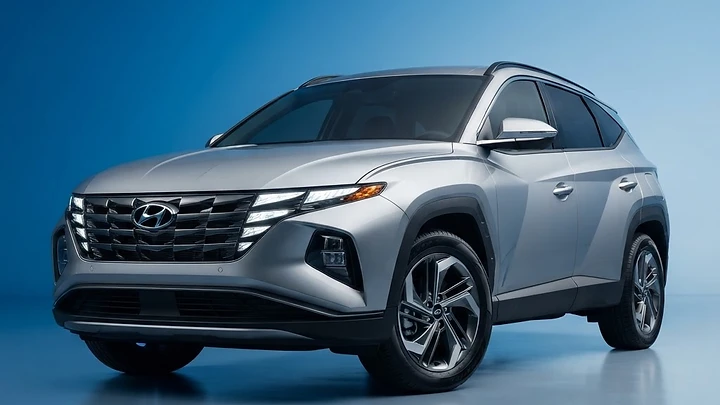

Protecting Your Most Precious Cargo For families, the conversation often centers on car seats and booster seats.
The 2026 safety standard includes improved LATCH (Lower Anchors and Tethers for Children) accessibility, making it easier to secure seats correctly. Always verify that the rear seat dimensions of your chosen vehicle accommodate your specific car seat models. A vehicle might be a 5-star performer, but if the rear seat geometry makes it impossible to achieve a tight, safe installation for your child's seat, it fails the most important test of all. Always consult the NHTSA guidelines for proper installation, and don't hesitate to bring your car seat to the dealership for a test fit before signing any paperwork. 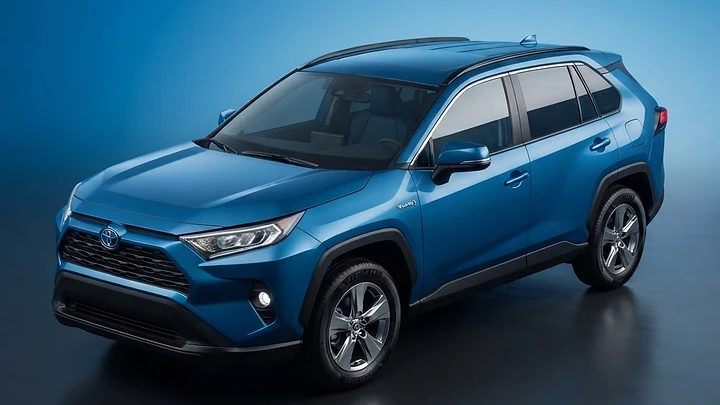

Frequently Asked Questions
Are advanced safety features worth the extra cost?
Yes, but prioritize systems that prevent accidents, such as automatic emergency braking and blind-spot monitoring, over convenience features. These are proven to reduce insurance premiums and, more importantly, save lives. #
Does a 5-star safety rating guarantee a reliable car?
No. Safety and reliability are separate metrics. Always check long-term reliability reports alongside crash test data to ensure your vehicle won't have mechanical issues that compromise its safety systems. #
Can I add safety features to a car after I buy it?
Generally, no. Most modern safety suites are integrated into the vehicle's hardware and software architecture at the factory. It is almost always cheaper and safer to buy a trim level that includes the desired features from the start. #
How often should I check my car's safety systems?
You should perform a basic check of your tires and lights monthly. For electronic systems, if you see a warning light on your dashboard, have it diagnosed immediately by a certified technician, as these systems are often interconnected.
The Bottom Line When you walk onto that dealership lot, remember that you are not just buying a machine; you are investing in peace of mind.
The safest 2026 vehicle is one that balances high-tier crash test performance with intuitive, reliable active safety technology that fits your driving style. Don't be swayed by the flashiest tech or the highest sticker price. Prioritize the vehicles that have proven their worth in both the lab and the real world. Take your time, test the systems, and choose the car that makes you feel confident, secure, and ready for the road ahead.
The cars in this story
The real price and honest verdict on each one
- 2026 Tesla Model YSUV · from $44,990
- 2026 Hyundai TucsonCompact SUV · from $29,450
- 2026 Honda CR-VCompact SUV · from $30,920
- 2026 Toyota RAV4Compact SUV · from $31,900
More car news

Safest Cars 2026: The Honest Buyer’s Guide to Protection
Buying a safe car in 2026? Discover how to navigate crash ratings, essential safety tech, and the models that offer the best protection for your family.

2026 Car Safety Tech: What Actually Keeps You Safe?
Confused by 2026 car safety tech? We break down what features actually save lives, which are worth the upgrade, and how to choose the safest car for your family.

Safest Family Cars 2026: The Honest Guide to Car Seat Fit
Finding the safest family car in 2026 goes beyond crash ratings. We break down which vehicles actually make installing car seats easy and stress-free.