Safest Cars 2026: The Honest Buyer’s Guide to Protection
Buying a safe car in 2026? Discover how to navigate crash ratings, essential safety tech, and the models that offer the best protection for your family.
Imagine the golden hour light hitting the hood of your new car as you pull into your driveway, the silence of the cabin reflecting the peace of mind that comes with knowing your family is protected. In 2026, the automotive landscape is shifting from mere convenience to a profound focus on human preservation. As you navigate the market, you aren't just buying a machine; you are investing in a sanctuary of steel, sensors, and sophisticated engineering designed to keep you safe on the open road. Understanding the safest cars 2026 has to offer requires looking beyond the marketing brochures and diving into the rigorous testing that defines true crashworthiness.
Decoding Crash Ratings: IIHS vs.
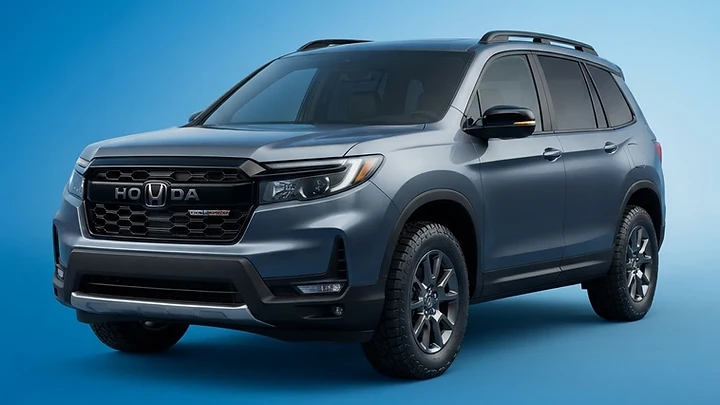
NHTSA When you start your search, you will encounter a sea of acronyms and star ratings. The Insurance Institute for Highway Safety (IIHS) and the National Highway Traffic Safety Administration (NHTSA) are your two most important allies. The IIHS 'Top Safety Pick+' award is the gold standard for 2026, requiring vehicles to excel in small overlap front, moderate overlap front, and side-impact tests. Meanwhile, NHTSA provides the federal star ratings that most Americans recognize. A vehicle like the 2026 Honda Passport or the 2026 Kia EV9, both of which have earned top accolades, demonstrates that safety is no longer reserved for six-figure luxury sedans. Always check the specific build date of the vehicle you are considering, as safety improvements are often implemented mid-model year. 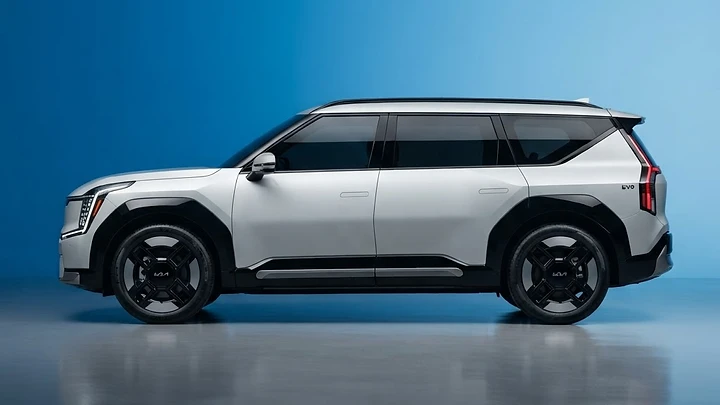
Essential Safety Tech: What Actually Matters?
While heated seats and panoramic roofs are popular, your priority should be the 'active safety' suite. In 2026, features like automatic emergency braking (AEB) and lane-change assist are becoming standard, but their effectiveness varies. Look for systems that include pedestrian detection and rear automatic emergency braking, which ranked as a top-three 'must-have' for buyers this year. Avoid being distracted by 'gimmick' tech; focus on systems that provide clear, intuitive alerts without requiring you to navigate complex touchscreen menus while driving. A car that keeps your eyes on the road is inherently safer than one that forces you to look at a screen to adjust your wipers. 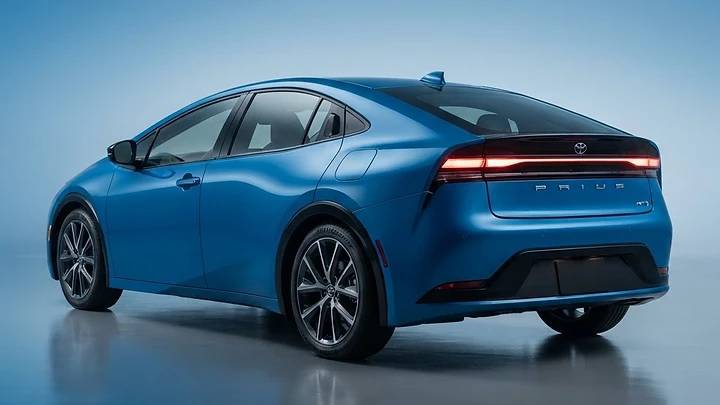

The Physics of Protection: Size and Weight Matter Despite advancements in crumple zones and airbag technology, the laws of physics remain undefeated.
Larger, heavier vehicles generally offer superior protection in multi-vehicle collisions compared to subcompact cars. If you are shopping for a family vehicle, a midsize SUV like the 2026 Hyundai Palisade or the 2026 Kia Sorento provides a structural advantage. However, size isn't everything; a smaller vehicle with a 'Top Safety Pick+' rating, such as the 2026 Mazda 3 or the 2026 Toyota Prius, can be safer than a massive, poorly engineered truck. Balance your need for space with the vehicle's crash-test performance to find your ideal match. 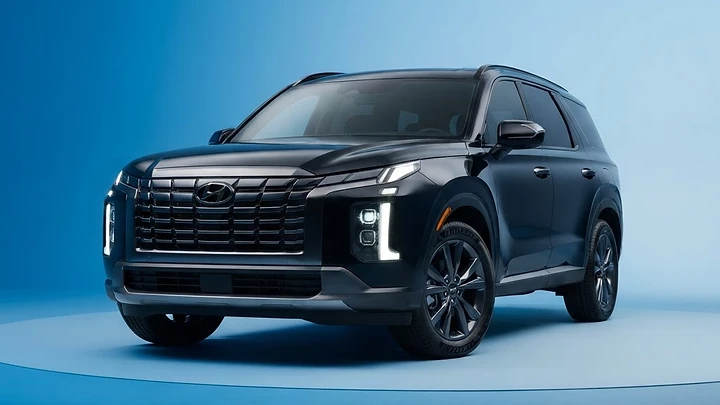

Frequently Asked Questions
Are all 2026 cars required to have the same safety features?
No. While federal mandates require certain basics like backup cameras and seat belt alerts for all seating positions, advanced driver assistance systems (ADAS) vary significantly by trim level and manufacturer. Always verify the specific safety package included in the trim you are buying. #
Does a higher price tag guarantee a safer car?
Not necessarily. While luxury brands often debut new safety tech, many mainstream manufacturers like Honda, Toyota, and Subaru now include comprehensive safety suites as standard equipment on their most affordable models. #
How do I know if a used car is safe?
Check the vehicle’s VIN on the IIHS and NHTSA websites to see its specific crash test results. Additionally, ensure there are no open safety recalls by checking the NHTSA recall database before finalizing your purchase. #
Is lane-change assist worth the extra cost?
Yes, if you do significant highway driving. It acts as a second set of eyes, alerting you to vehicles in your blind spot that you might otherwise miss, which is a major factor in preventing side-swipe accidents. 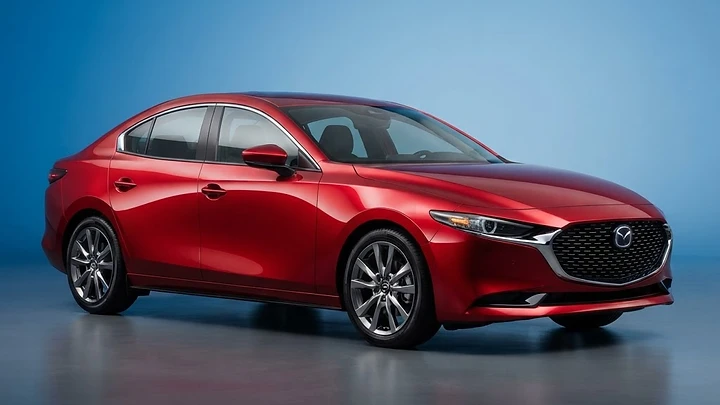

The Bottom Line When shopping for the safest car in 2026, prioritize vehicles that hold the IIHS 'Top Safety Pick+' designation and offer standard, well-integrated driver assistance systems.
Don't let dealership pressure push you into a 'loaded' trim with unnecessary tech if it means sacrificing the core safety features you actually need. Focus on the fundamentals: a strong occupant compartment, high-performing headlights, and intuitive controls that keep your focus where it belongs—on the road ahead. Your car is the most important safety device you own; choose it with care, transparency, and a clear head.
The cars in this story
The real price and honest verdict on each one
- 2026 Kia EV9Electric Three-Row SUV · from $54,900
- 2026 Toyota PriusCompact Sedan · from $28,550
- 2026 Hyundai PalisadeMid-Size SUV · from $39,435
- 2026 Kia SorentoMid-Size SUV · from $31,990
More car news

2026 Car Safety Tech: What Actually Keeps You Safe?
Confused by 2026 car safety tech? We break down what features actually save lives, which are worth the upgrade, and how to choose the safest car for your family.

Safest Family Cars 2026: The Honest Guide to Car Seat Fit
Finding the safest family car in 2026 goes beyond crash ratings. We break down which vehicles actually make installing car seats easy and stress-free.

2026 Car Safety Tech: What Actually Keeps You Safe?
Confused by 2026 car safety tech? We cut through the marketing jargon to explain which features actually save lives and which are just expensive add-ons.