2026 Car Safety Tech: What Actually Keeps You Safe?
Confused by 2026 car safety tech? We cut through the marketing jargon to explain which features actually save lives and which are just expensive add-ons.
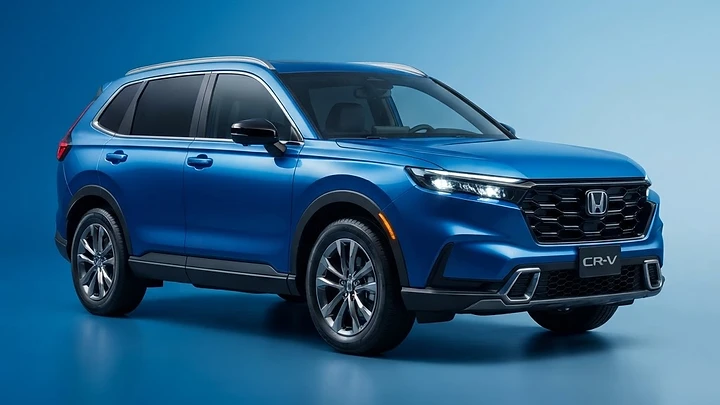
There is a profound, quiet magic in the way a modern vehicle cradles your family. As you pull out of the driveway, you are surrounded by a silent, invisible web of sensors and steel, all working in concert to ensure that the road ahead remains a place of possibility rather than peril. In 2026, the automotive landscape has shifted from simple passive protection—like airbags and crumple zones—to a sophisticated, proactive dance of Advanced Driver Assistance Systems (ADAS). But for the average buyer, navigating this sea of acronyms can feel like learning a new language. At Carummah, we believe your peace of mind shouldn't come with a hidden price tag or a confusing trim-level footnote.
The Evolution of Active Safety: Beyond the Airbag For decades, safety was measured by how well a car protected you during a collision.
Today, the goal is to prevent the collision entirely. In 2026, features like Automatic Emergency Braking (AEB) and Forward Collision Warning (FCW) have moved from luxury options to near-universal standards. These systems use radar and cameras to monitor the distance between you and the vehicle ahead, applying the brakes if you fail to react to a sudden stop. When shopping for a 2026 model, such as the Honda CR-V or the Toyota RAV4, verify that these systems are standard across all trims, not just the top-tier packages. You shouldn't have to pay a premium for the technology that keeps your family safe. 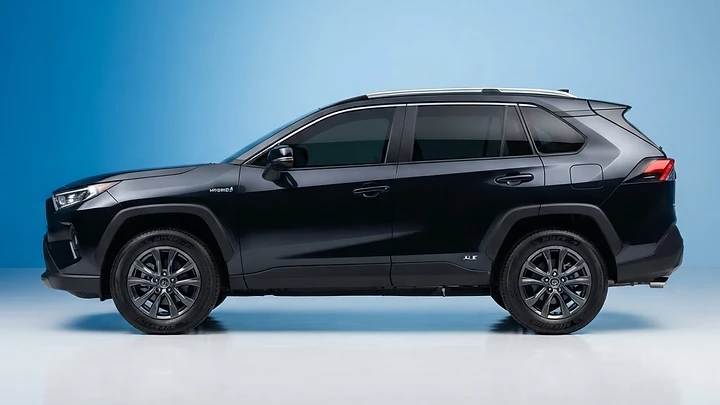
Lane-Keeping vs.
Lane-Centering: Know the Difference One of the most common points of confusion for buyers is the distinction between lane-keeping assist and lane-centering. Lane-keeping assist is a reactive safety net; it nudges the steering wheel only when it detects you drifting out of your lane. It is a vital tool for preventing highway fatigue. Lane-centering, however, is a more active, semi-autonomous feature that keeps the vehicle in the middle of the lane continuously. While impressive, it is not a substitute for attentive driving. Always test these systems during your test drive to see if the intervention feels natural or intrusive. If the system feels like it is fighting your inputs, it may become a distraction rather than a safety benefit. 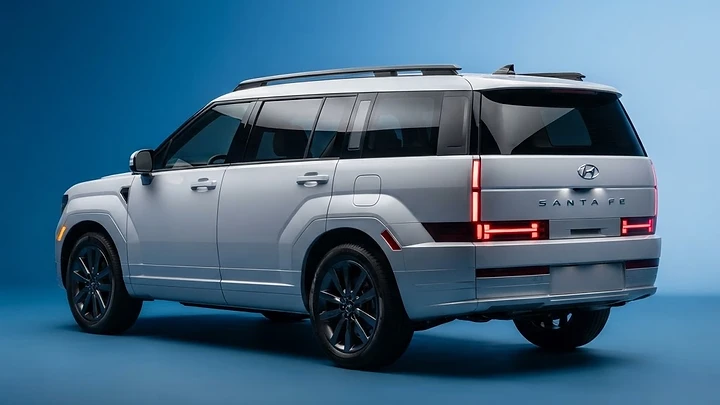

The New Standard: Rear-Seat Protection and Alerts As of 2026, the industry has placed a renewed focus on the rear cabin.
New government mandates now require safety-belt alerts for all seating positions, ensuring that every passenger is buckled up before the vehicle moves. Furthermore, rear-seat occupant alerts—designed to prevent children or pets from being left behind—are becoming standard in family-oriented SUVs. When evaluating a vehicle like the Hyundai Santa Fe, look for easy-access LATCH points for car seats. A car is only as safe as the ease with which you can secure your most precious cargo. 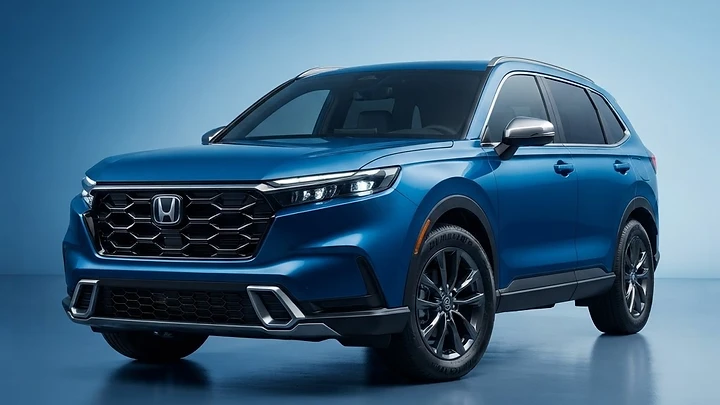

Understanding IIHS Ratings and Real-World Protection While marketing brochures highlight high-tech sensors, the foundation of safety remains the vehicle's structural integrity.
The Insurance Institute for Highway Safety (IIHS) continues to set the gold standard for crash testing. For 2026, their requirements for the 'Top Safety Pick+' award have become even more rigorous, specifically regarding rear-seat passenger protection in side-impact crashes. Before you sign any paperwork, check the IIHS website for the specific model year and trim. A vehicle that earns a 'Good' rating in small-overlap front-crash tests is a vehicle engineered to protect you against the most common and dangerous types of road accidents. 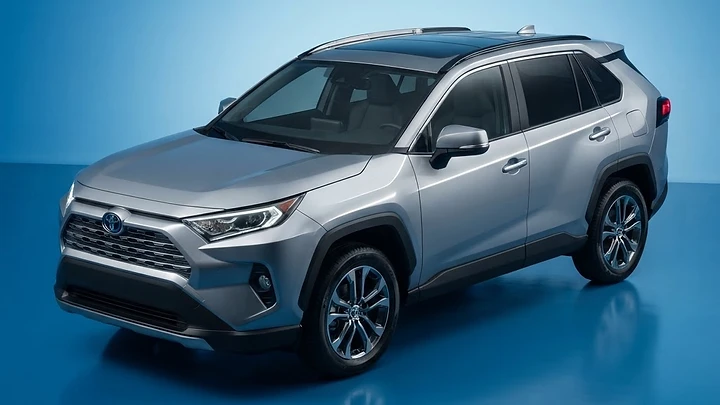

Frequently Asked Questions
Is automatic emergency braking standard on all 2026 cars?
While most manufacturers have made AEB standard, it is not yet a universal law for every single vehicle. Always check the 'Safety' section of the window sticker or the manufacturer's website to confirm it is included on the specific trim you are buying. #
Do I need to pay for a subscription to keep my safety features active?
Most core safety features like AEB and lane-keeping assist are hardware-based and do not require a subscription. However, some advanced 'connected' features, such as V2X (vehicle-to-infrastructure) communication or remote diagnostics, may require a monthly fee after an initial trial period. #
Are dash cams considered a safety feature?
While not an active safety system that prevents crashes, a high-quality front-and-rear dash cam is an essential tool for accountability. It provides objective evidence in the event of an accident, which can be invaluable for insurance claims and legal protection. #
What is the difference between passive and active safety?
Passive safety features, such as airbags, seat belts, and reinforced steel cages, protect you during a crash. Active safety features, such as blind-spot monitoring and adaptive cruise control, use sensors to help you avoid the crash in the first place.
The Bottom Line When buying a car in 2026, prioritize vehicles that offer a comprehensive suite of active safety features as standard equipment.
Don't be swayed by 'tech-heavy' marketing that hides basic safety behind expensive trim levels. Look for models that consistently earn the IIHS Top Safety Pick+ designation, ensure your car seats fit securely, and always prioritize a test drive that allows you to experience how the driver-assist systems behave in real-world traffic. Your safety is not an upgrade—it is a fundamental right.
The cars in this story
The real price and honest verdict on each one
- 2026 Toyota RAV4Compact SUV · from $31,900
- 2026 Hyundai Santa FeMid-Size SUV · from $35,050
- 2026 Honda CR-VCompact SUV · from $30,920
More car news

Safest Cars 2026: The Honest Buyer’s Guide to Protection
Buying a safe car in 2026? Discover how to navigate crash ratings, essential safety tech, and the models that offer the best protection for your family.

2026 Car Safety Tech: What Actually Keeps You Safe?
Confused by 2026 car safety tech? We break down what features actually save lives, which are worth the upgrade, and how to choose the safest car for your family.

Safest Family Cars 2026: The Honest Guide to Car Seat Fit
Finding the safest family car in 2026 goes beyond crash ratings. We break down which vehicles actually make installing car seats easy and stress-free.