2026 Car Safety Tech: What Actually Keeps You Safe?
Confused by 2026 car safety tech? We break down what features actually save lives, which are worth the upgrade, and how to choose the safest car for your family.
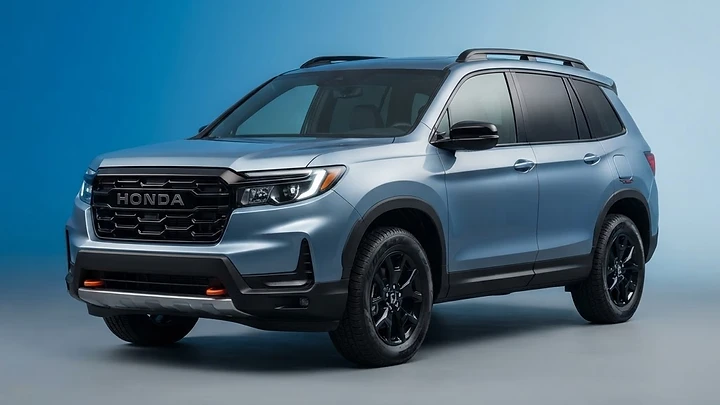
There is a profound, quiet magic in the way a modern vehicle protects its occupants. Imagine driving down a rain-slicked highway at dusk; the world is a blur of motion, yet inside your cabin, a silent network of sensors and processors is working in perfect harmony to ensure you arrive home safely. In 2026, car safety tech has evolved from simple airbags to sophisticated, proactive systems that act as a second set of eyes. For the American car buyer, navigating this landscape of acronyms—AEB, ADAS, ESC—can feel overwhelming, but understanding what truly keeps you safe is the most important part of your purchase journey.
The Evolution of Crash Avoidance Systems In 2026, the baseline for safety has shifted significantly.
While we once prioritized how a car performed in a crash, the industry now focuses on preventing the crash entirely. Automatic Emergency Braking (AEB) is now a federal mandate, meaning every new vehicle you test drive, from a $25,000 subcompact to a $90,000 luxury SUV, will have some form of it. However, not all systems are created equal. Premium packages often include high-speed AEB that can detect pedestrians and cyclists in low-light conditions, whereas standard systems might be limited to vehicle-to-vehicle detection at lower speeds. When you are shopping, look for the IIHS 'Top Safety Pick+' designation, which requires superior performance in both crashworthiness and crash avoidance. 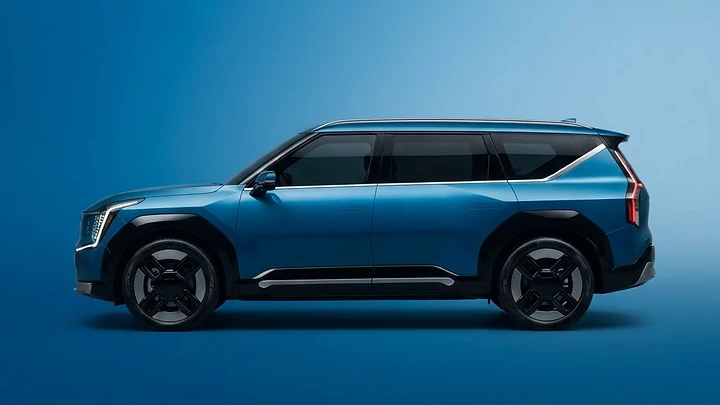
Why Size and Weight Still Matter Despite the incredible advancements in electronic safety, the laws of physics remain undefeated.
Larger, heavier vehicles generally offer more protection in multi-vehicle collisions because they have more structure to absorb crash energy. If you are choosing between a small sedan like the 2026 Mazda 3 and a midsize SUV like the 2026 Honda Passport, remember that the SUV provides a different kind of safety buffer. This doesn't mean small cars are unsafe—many, like the 2026 Kia K4, earn top marks—but it does mean that your choice of vehicle class should align with your driving environment and family needs. 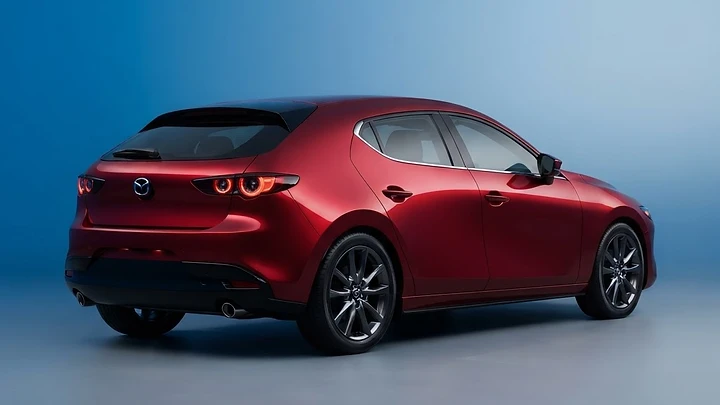

The Hidden Cost of High-Tech Safety It is a common misconception that more sensors mean higher long-term costs.
While it is true that repairing a bumper with integrated radar sensors is more expensive than a traditional plastic cover, the Insurance Institute for Highway Safety (IIHS) has found that these systems actually reduce overall crash repair costs by preventing the most common low-speed fender-benders. When you are budgeting for your 2026 vehicle, consider the long-term value of these systems. A car equipped with blind-spot monitoring and rear cross-traffic alert can save you thousands in insurance deductibles and repair bills over the life of the vehicle. 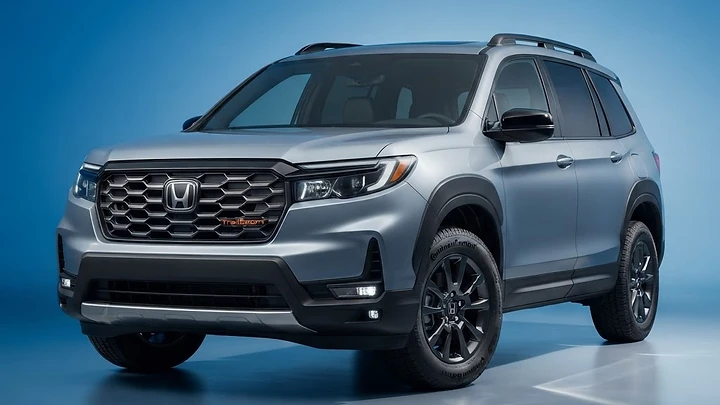

Navigating Standard vs.
Premium Safety Packages When you sit down with a dealer, you will often be presented with 'Safety Packages' or 'Driver Assistance Suites.' In 2026, the gap between standard and premium is narrowing, but it still exists. Standard packages typically include lane departure warnings and rearview cameras. Premium packages, often found on higher trims like the 2026 Hyundai Palisade or 2026 Kia EV9, add features like lane change assist and unresponsive-driver stop assist. Ask yourself: do I spend most of my time in stop-and-go city traffic or on long, open highway stretches? If it is the former, prioritize parking sensors and rear automatic braking. If it is the latter, invest in advanced adaptive cruise control. 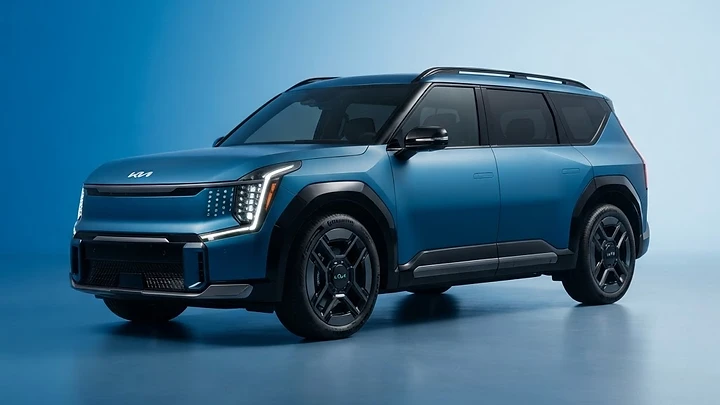

Frequently Asked Questions
Do all 2026 vehicles come with automatic emergency braking?
Yes, AEB is now federally mandated for all new passenger vehicles in the U.S. However, the effectiveness and speed thresholds vary by manufacturer and trim level. #
How do I know if a safety rating applies to my specific trim?
Safety ratings from the IIHS and NHTSA are often specific to certain configurations. Always check the specific trim level on the IIHS website, as some features like upgraded headlights are only available on higher-end trims. #
Are parking sensors worth the extra cost?
For many drivers, especially those in urban environments, parking sensors are among the most 'must-have' features. They significantly reduce the risk of low-speed impacts that are not covered by standard AEB. #
Does a 5-star safety rating guarantee I won't be injured?
No rating can guarantee safety in every scenario. A 5-star rating indicates the vehicle performed exceptionally well in standardized tests, but real-world safety also depends on driver behavior, road conditions, and proper maintenance of safety systems.
The Bottom Line When buying a car in 2026, don't get distracted by the 'bells and whistles' of infotainment.
Focus on the core safety architecture. Prioritize vehicles with an IIHS 'Top Safety Pick+' rating, ensure your chosen trim includes the full suite of active safety features, and remember that the best safety feature is a well-maintained vehicle. Whether you choose a 2026 Honda Passport for its family-friendly space or a 2026 Kia EV9 for its cutting-edge tech, your goal is to find a machine that acts as a partner in your journey, keeping you and your loved ones protected on every mile of the road.
The cars in this story
The real price and honest verdict on each one
- 2026 Kia EV9Electric Three-Row SUV · from $54,900
- 2026 Honda PassportOff-Road SUV · from $44,950
- 2026 Hyundai PalisadeMid-Size SUV · from $39,435
More car news

Safest Cars 2026: The Honest Buyer’s Guide to Protection
Buying a safe car in 2026? Discover how to navigate crash ratings, essential safety tech, and the models that offer the best protection for your family.

Safest Family Cars 2026: The Honest Guide to Car Seat Fit
Finding the safest family car in 2026 goes beyond crash ratings. We break down which vehicles actually make installing car seats easy and stress-free.

2026 Car Safety Tech: What Actually Keeps You Safe?
Confused by 2026 car safety tech? We cut through the marketing jargon to explain which features actually save lives and which are just expensive add-ons.