2026 Car Safety Guide: Is Advanced Tech Worth the Cost?
Are 2026 safety features worth the premium? We break down the real-world value of ADAS, crash ratings, and what you actually need to protect your family.
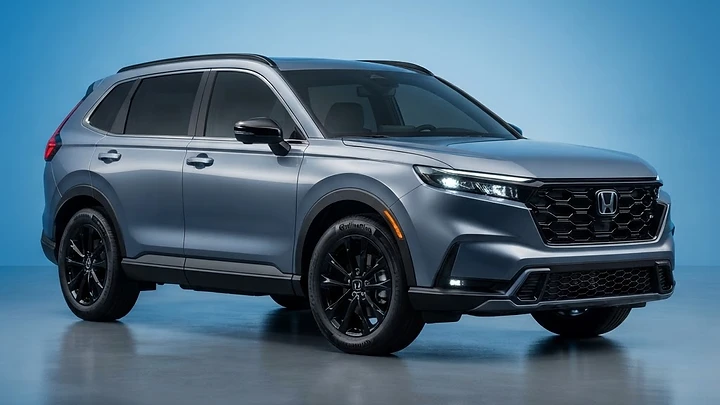
There is a profound sense of wonder in the modern automobile, a machine that has evolved from a simple mechanical tool into a sophisticated guardian of human life. As you grip the steering wheel of a 2026 model, you are not just operating a vehicle; you are commanding a suite of sensors and processors designed to watch the road with a vigilance no human can match. Yet, for the American car buyer, this technological marvel brings a complex question: is the rising cost of advanced driver assistance systems (ADAS) truly worth the investment, or are we paying for features that complicate our daily drive? Understanding the landscape of 2026 car safety is essential for making a purchase that balances peace of mind with financial reality.
The New Benchmark: Understanding 2026 Safety Standards In 2026, the automotive industry reached a pivotal moment as the National Highway Traffic Safety Administration (NHTSA) updated its New Car Assessment Program.
These new benchmarks grade driver assistance technology on actual performance rather than just existence. For instance, the 2026 Tesla Model Y has set a high bar by being one of the first to pass these rigorous new federal tests, which evaluate how systems like automatic emergency braking (AEB) and lane-keeping assist perform in real-world scenarios. When you shop, look beyond the marketing buzzwords. A vehicle that earns a 'Best' rating from Consumer Reports or a Top Safety Pick+ from the IIHS has proven its worth in both crashworthiness and crash prevention. 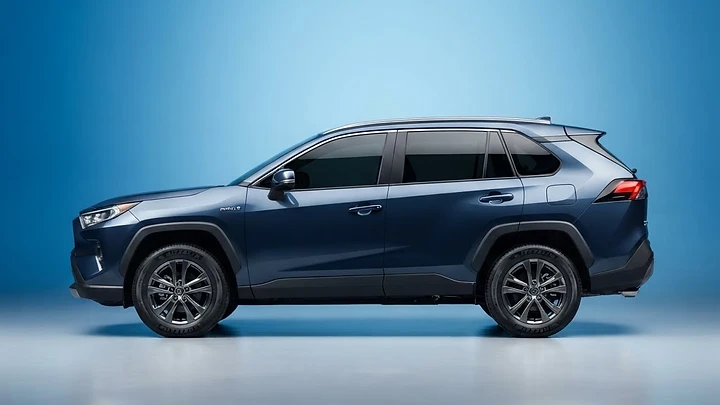
Standard vs.
Premium: Where Your Money Goes The cost differential between standard and premium safety packages can range from $1,200 to $3,500. Manufacturers often bundle these features into high-trim levels, meaning you might be forced to pay for luxury leather or a premium sound system just to get the safest version of a vehicle like the 2026 Honda CR-V or the 2026 Toyota RAV4. It is critical to remember that these systems are integrated into the vehicle's hardware architecture at the factory. You cannot simply add a blind-spot monitor or a more advanced AEB system later. If safety is your priority, prioritize the trim level that includes these features as standard equipment rather than opting for an aftermarket solution that will never offer the same level of integration. 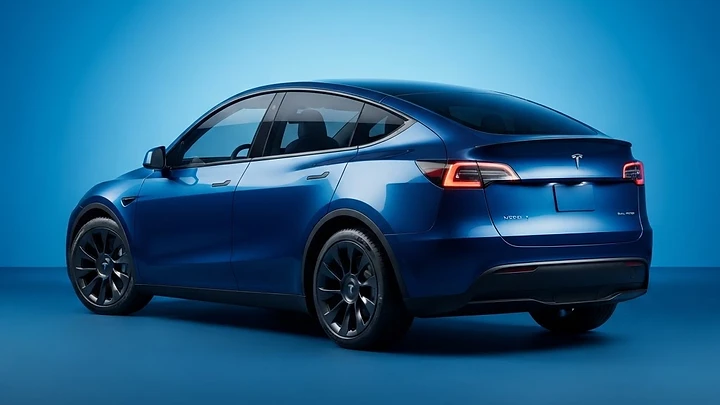

The Hidden Cost of High-Tech Repairs While advanced sensors save lives, they also change the economics of ownership.
The cameras and radar units used for collision avoidance are often located in bumpers and windshields—the very areas most prone to minor accidents. A simple fender bender that once cost $500 to repair can now exceed $2,000 due to the need for recalibrating sensitive ADAS sensors. When budgeting for your 2026 vehicle, check with your insurance provider. Many carriers now offer meaningful discounts for vehicles equipped with proven safety tech, which can help offset the higher repair costs over the life of the vehicle. 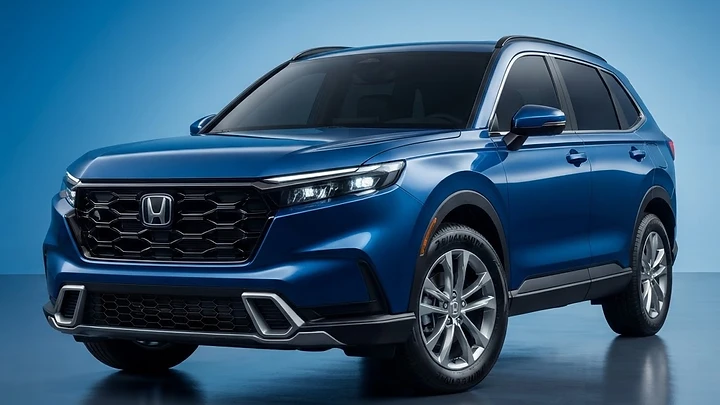

Frequently Asked Questions
Are driver assistance systems the same as self-driving cars?
No. Even the most advanced systems in 2026 are designed to assist, not replace, the human driver. You must remain attentive at all times. #
Do I really need blind-spot monitoring?
Yes. It is one of the most effective technologies for preventing highway-speed accidents. If you can only afford one optional safety package, make it the one that includes blind-spot and rear cross-traffic warnings. #
Does a 5-star safety rating guarantee I won't be injured in a crash?
No rating can guarantee safety, but a 5-star vehicle has demonstrated superior performance in frontal, side, and rollover tests, significantly increasing your odds of walking away from a collision. #
Should I avoid cars with too much tech to save on maintenance?
Not necessarily. While sensors increase repair costs, the reduction in accident frequency often outweighs the long-term maintenance burden. Focus on brands with high reliability scores to mitigate the risk of sensor failure. 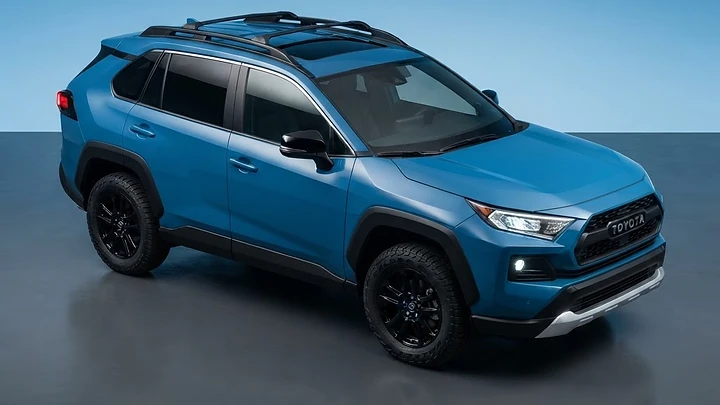

The Bottom Line When buying a car in 2026, transparency is your best tool.
Do not be pressured by a salesperson to pay for 'safety' features that are actually just convenience items. Focus on the core technologies that save lives: automatic emergency braking, blind-spot warning, and lane-keeping assist. If a vehicle doesn't offer these as standard, look elsewhere. Your family's safety is worth the research, and by choosing a vehicle that balances proven crash protection with reliable, well-tested driver assistance, you are making a smart, long-term investment in your peace of mind on the open road.
The cars in this story
The real price and honest verdict on each one
- 2026 Tesla Model YSUV · from $44,990
- 2026 Toyota RAV4Compact SUV · from $31,900
- 2026 Honda CR-VCompact SUV · from $30,920
More car news

Safest Cars 2026: The Honest Buyer’s Guide to Protection
Buying a safe car in 2026? Discover how to navigate crash ratings, essential safety tech, and the models that offer the best protection for your family.

2026 Car Safety Tech: What Actually Keeps You Safe?
Confused by 2026 car safety tech? We break down what features actually save lives, which are worth the upgrade, and how to choose the safest car for your family.

Safest Family Cars 2026: The Honest Guide to Car Seat Fit
Finding the safest family car in 2026 goes beyond crash ratings. We break down which vehicles actually make installing car seats easy and stress-free.