2026 Car Safety Guide: Is Advanced Tech Worth the Cost?
Are 2026 car safety features worth the premium? We break down the latest ADAS tech, from V2X to emergency braking, to help you make a smart, safe choice.
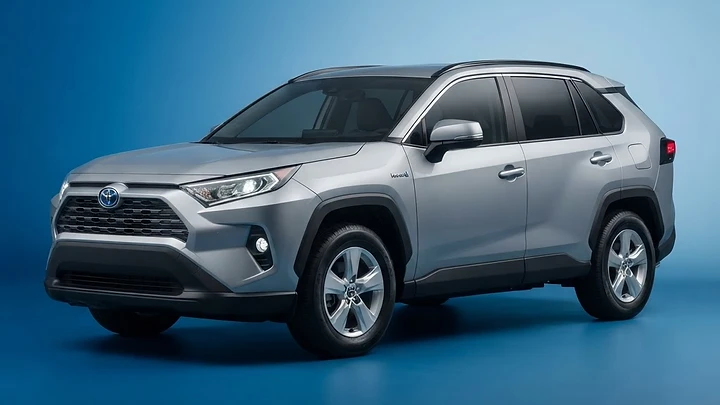
There is a profound sense of wonder that comes with modern automotive engineering. Imagine gliding down a winding coastal highway at dusk, the road illuminated by adaptive headlights that dance around corners, while your vehicle silently monitors the environment, communicating with infrastructure to ensure your family remains shielded from unseen hazards. In 2026, the promise of the open road is more accessible than ever, but the complexity of modern safety systems can feel overwhelming. As an independent resource, Carummah is here to cut through the marketing jargon and help you determine which 2026 car safety features are truly worth your hard-earned money.
Understanding the New Baseline for Safety In 2026, Advanced Driver Assistance Systems (ADAS) have moved from luxury add-ons to standard equipment on many entry-level models.
Features like automatic emergency braking, lane departure warnings, and blind-spot monitoring are now common, even in vehicles priced under $30,000. While these systems contribute to higher upfront costs, they also provide a tangible return on investment through reduced accident risk and potentially lower insurance premiums. When shopping, look for the 'standard' safety suite on models like the 2026 Toyota RAV4 or the 2026 Honda CR-V. These manufacturers have mastered the art of integrating safety without inflating the price beyond reach. 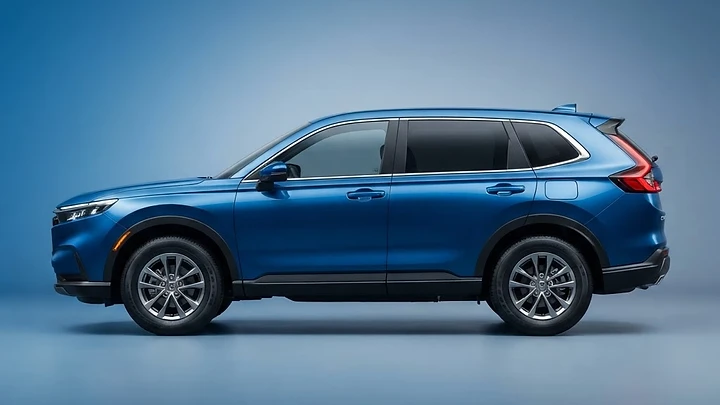
The Rise of V2X and Connected Safety Technology One of the most exciting developments this year is the expansion of V2X (Vehicle-to-Everything) technology.
This allows your car to 'talk' to other vehicles and traffic infrastructure. If a car three vehicles ahead of you slams on its brakes, your car receives that data instantly, potentially reacting before you even see the brake lights. While this tech is currently more prevalent in premium segments, it is trickling down rapidly. If you are a high-mileage commuter, prioritizing a vehicle with V2V (Vehicle-to-Vehicle) capabilities could be the smartest safety investment you make this decade. 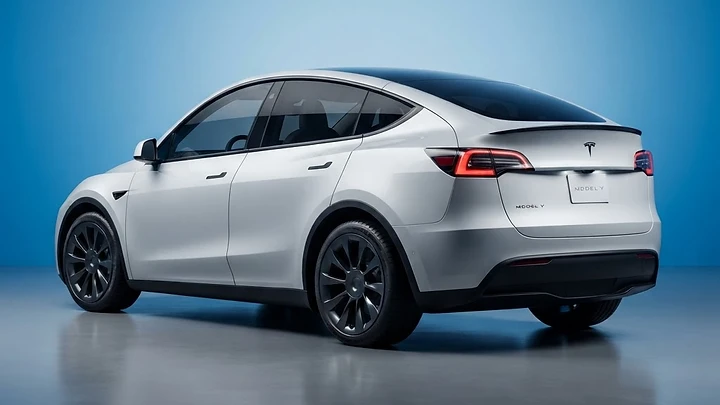

Navigating the Touchscreen vs.
Physical Control Debate A major point of contention in 2026 is the migration of critical safety and climate controls to touchscreens. While sleek, this design choice can be a distraction. Research suggests that physical buttons for volume, temperature, and windshield wipers are safer because they allow for 'eyes-on-the-road' operation. When test-driving, prioritize vehicles that maintain a balance between digital innovation and tactile, physical controls. A car that forces you to navigate three sub-menus just to turn on your defroster is a safety liability, regardless of how many cameras it has. 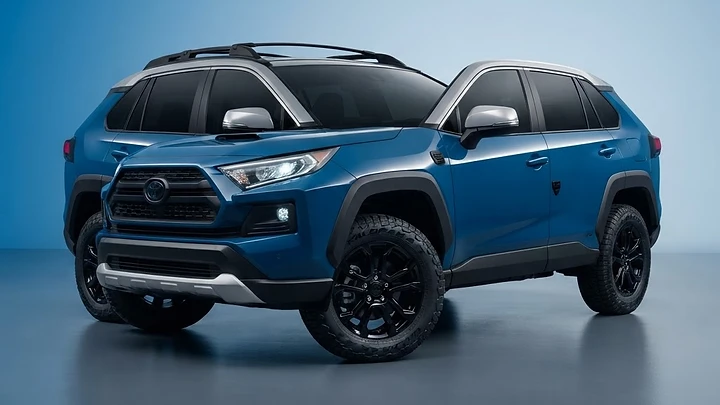

Semi-Autonomous Driving: Hands-Off or Eyes-On?
Systems like Ford BlueCruise and Tesla FSD (Supervised) represent the cutting edge of 2026 automotive tech. These systems offer a glimpse into the future of travel, allowing for hands-free driving on mapped highways. However, it is vital to remember that these are 'eyes-on' systems. They require the driver to remain fully engaged. If you are considering a vehicle with these features, ensure you understand the subscription costs and the specific limitations of the system. For most families, a robust suite of passive safety features—like high-strength steel frames and comprehensive airbag coverage—remains more valuable than high-end autonomous software. 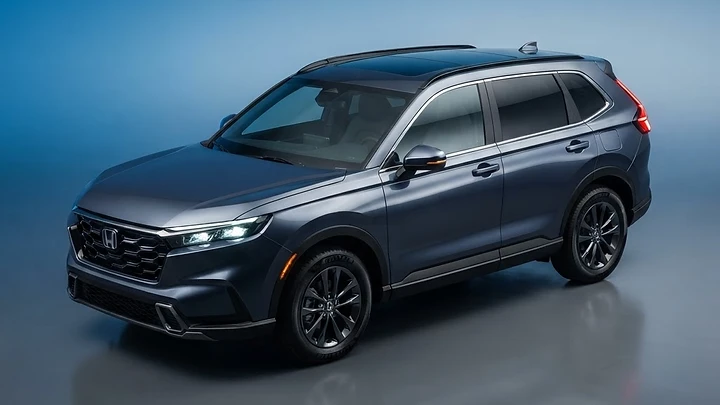

Frequently Asked Questions
Are advanced safety features worth the extra cost?
Yes, if they prevent a single collision. Beyond safety, many of these features improve resale value and are increasingly expected by insurance providers. #
Do I need to pay a subscription for safety features?
Some manufacturers are moving toward subscription models for advanced ADAS features. Always check the 'fine print' on the window sticker to see if a feature is a one-time purchase or a recurring cost. #
Is V2X technology available on all 2026 cars?
No, V2X is currently rolling out on select models. It is not yet a universal standard, so verify the specific trim level if this is a priority for you. #
How do I know if a car's safety tech is reliable?
Look for independent crash test ratings from the IIHS and NHTSA. These organizations provide the most honest, data-driven assessments of how safety tech performs in real-world scenarios.
The Bottom Line When buying a car in 2026, prioritize standard safety suites over expensive, unproven 'beta' software.
A vehicle like the 2026 Toyota RAV4 or Honda CR-V offers the best balance of proven safety tech, reliability, and long-term value. Focus on features that assist your driving—like blind-spot monitoring and automatic braking—rather than those that attempt to replace it. Your goal is to find a vehicle that protects your family while keeping you connected to the joy of the drive.
The cars in this story
The real price and honest verdict on each one
- 2026 Honda CR-VCompact SUV · from $30,920
- 2026 Toyota RAV4Compact SUV · from $31,900
- 2026 Tesla Model YSUV · from $44,990
More car news

Safest Cars 2026: The Honest Buyer’s Guide to Protection
Buying a safe car in 2026? Discover how to navigate crash ratings, essential safety tech, and the models that offer the best protection for your family.

2026 Car Safety Tech: What Actually Keeps You Safe?
Confused by 2026 car safety tech? We break down what features actually save lives, which are worth the upgrade, and how to choose the safest car for your family.

Safest Family Cars 2026: The Honest Guide to Car Seat Fit
Finding the safest family car in 2026 goes beyond crash ratings. We break down which vehicles actually make installing car seats easy and stress-free.