2026 Car Safety Guide: Is Advanced Tech Worth the Cost?
Are 2026 advanced safety systems worth the premium? We break down the real-world value of ADAS, from collision avoidance to lane-keeping, for your next car.
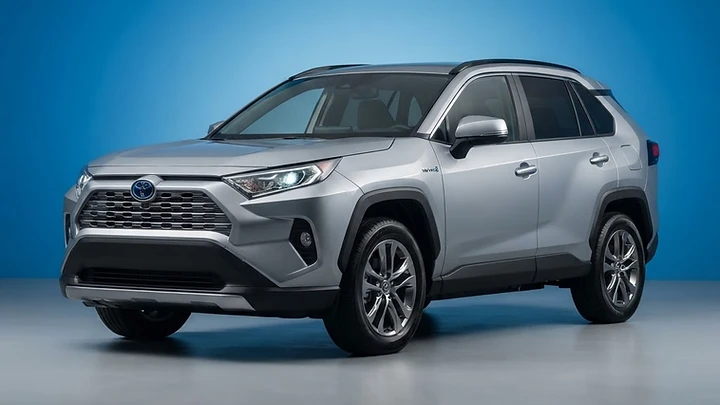
Imagine the golden hour light hitting the hood of your car as you navigate a winding mountain pass, the road stretching out like a ribbon of possibility. Modern engineering has turned the act of driving into something bordering on the miraculous, where your vehicle acts as a silent, vigilant partner in your journey. In 2026, the conversation around car safety has shifted from how well a car protects you during a crash to how effectively it prevents that crash from ever happening. As you shop for your next vehicle, you are likely encountering a dizzying array of acronyms—ADAS, AEB, LKA—that promise peace of mind. But are these 2026 advanced safety systems actually worth the added cost, or are they just another line item on a bloated window sticker?
The Shift to Active Prevention Technology The evolution of automotive safety has moved beyond the steel cage and airbags of the past.
Today, we rely on active safety systems that monitor the environment in real-time. Technologies like Automatic Emergency Braking (AEB) and Electronic Stability Control (ESC) are no longer luxury add-ons; they are the baseline for modern vehicle safety. According to recent industry data, these systems use a complex network of sensors, cameras, and radar to monitor steering angle, lateral acceleration, and rotation speed. When the car detects that your actual path deviates from your intended steering input, the system intervenes faster than any human reflex could. For families, this means an extra layer of protection that works silently in the background, whether you are navigating a crowded school drop-off line or a rain-slicked highway. 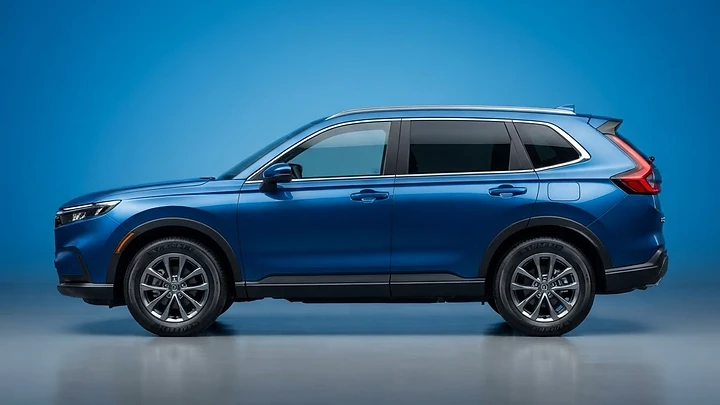
Understanding the Real-World Value of ADAS Advanced Driver Assistance Systems (ADAS) are the core of the 2026 safety experience.
Features like blind-spot monitoring, which provides an audible alert if a vehicle is detected in your periphery, have become essential for daily commuting. While some critics point to the high repair costs associated with sensor-laden bumpers, the trade-off is a significant reduction in low-speed fender benders. When evaluating a vehicle like the 2026 Toyota RAV4 or the 2026 Honda CR-V, look for packages that bundle these systems. Insurance data consistently shows that the safety benefits grow exponentially when multiple systems—such as adaptive cruise control and lane-centering—work in tandem to reduce driver fatigue. 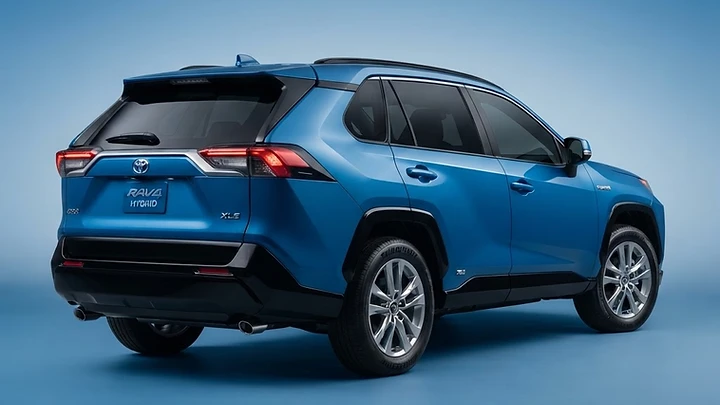

Is Advanced Tech Worth the Premium?
As you weigh your budget, it is important to distinguish between "convenience tech" and "safety tech." While a high-end infotainment screen is a luxury, active safety features are an investment in your long-term ownership value. Many 2026 models now include these features as standard equipment to comply with evolving safety standards, which is a win for the consumer. However, if you are looking at a premium trim level, ask yourself if the extra "hands-free" driving capability is worth the subscription fee or the higher MSRP. For most American families, the standard suite of collision avoidance tech provides the highest return on investment. 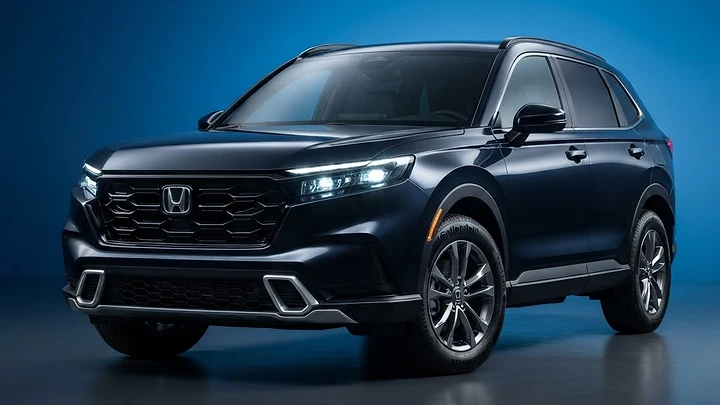

Frequently Asked Questions
Are advanced safety systems standard on all 2026 cars?
While many manufacturers have made features like automatic emergency braking standard, more advanced systems like lane-centering or 360-degree camera views are often reserved for higher trim levels or optional safety packages. Always check the specific trim sheet.
Do these systems increase my insurance premiums?
While the sensors themselves can be expensive to repair, many insurance providers offer discounts for vehicles equipped with proven safety technologies that reduce the likelihood of accidents.
Can I add advanced safety features to a used car?
While you cannot easily replicate factory-integrated systems, there are aftermarket dash cams and blind-spot monitoring kits available. However, these rarely offer the same level of integration as a vehicle built with these systems from the factory.
How do I know if a car's safety tech is reliable?
Look for vehicles that have undergone rigorous testing by the NHTSA or IIHS. These organizations provide performance ratings for specific driver assistance technologies, helping you verify that the tech actually works as advertised. 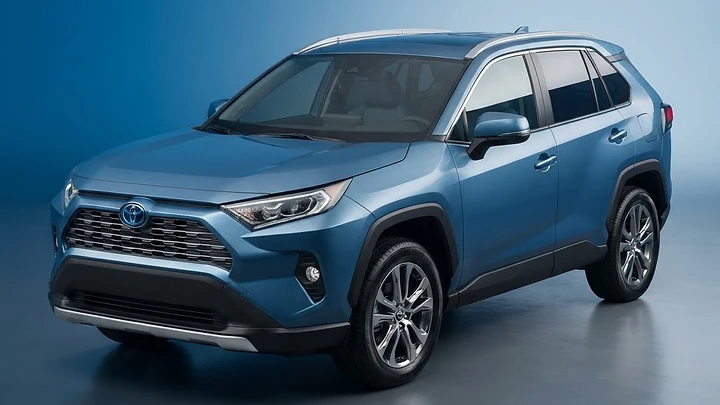

The Bottom Line When you are standing on the dealership lot, it is easy to get overwhelmed by the "tech talk." Our honest advice at Carummah is to prioritize vehicles that include a robust, standard suite of active safety features. You don't necessarily need the most expensive "self-driving" package to be safe; you need a car that watches the road as closely as you do. Focus on models that have high marks for collision avoidance and lane-keeping, as these are the features that will provide the most value over the life of your vehicle. By choosing a car that prioritizes active prevention, you are not just buying a machine—you are investing in the safety of your family and the freedom of the open road.
The cars in this story
The real price and honest verdict on each one
Every model, side by sideMore car news

Safest Cars 2026: The Honest Buyer’s Guide to Protection
Buying a safe car in 2026? Discover how to navigate crash ratings, essential safety tech, and the models that offer the best protection for your family.

2026 Car Safety Tech: What Actually Keeps You Safe?
Confused by 2026 car safety tech? We break down what features actually save lives, which are worth the upgrade, and how to choose the safest car for your family.

Safest Family Cars 2026: The Honest Guide to Car Seat Fit
Finding the safest family car in 2026 goes beyond crash ratings. We break down which vehicles actually make installing car seats easy and stress-free.