2026 Car Safety Guide: Is Advanced Tech Worth the Cost?
Are 2026 safety features worth the price? We break down the real-world benefits of crash avoidance tech, repair costs, and what you need to know before buying.
There is a profound, almost spiritual silence that settles over a modern vehicle when its suite of sensors begins to work in harmony. As you glide down a winding mountain pass, the car is not just a machine; it is a vigilant partner, constantly scanning the horizon, calculating trajectories, and watching for the unseen. For the American family, this isn't just about luxury—it is about the peace of mind that comes from knowing your vehicle is engineered to protect what matters most. In 2026, the landscape of automotive safety has shifted dramatically, with the Insurance Institute for Highway Safety (IIHS) raising the bar for what it means to be truly protected on the road.
The New Standard: Understanding 2026 IIHS Safety Awards The 2026 model year marks a significant evolution in how we define a safe car.
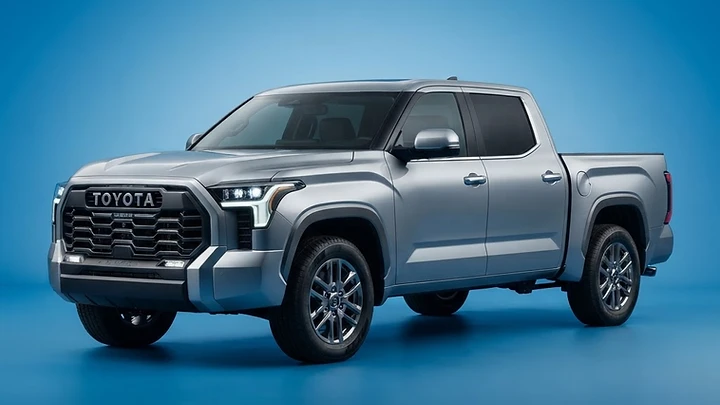
The IIHS has tightened its criteria, demanding that vehicles not only survive a crash but actively avoid them. To earn the coveted Top Safety Pick+ award, a vehicle must now demonstrate superior performance in high-speed crash avoidance, including pedestrian detection and vehicle-to-vehicle prevention. This is a massive leap forward. For instance, the 2026 Toyota Tundra and the Tesla Cybertruck have set benchmarks for large pickups, proving that size and structural integrity can be paired with cutting-edge software. When you are shopping for your next vehicle, look for the 'Good' rating in the updated moderate overlap front test, which now specifically evaluates back seat passenger protection—a critical factor for families with children. 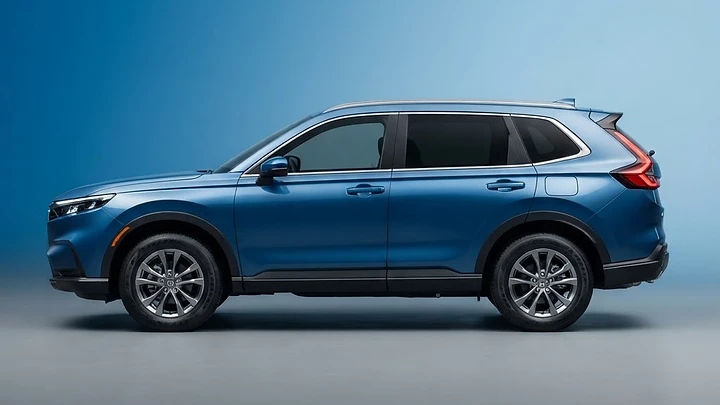
Does Crash Avoidance Tech Actually Save You Money?
A common concern among buyers is the 'sensor tax'—the idea that advanced driver assistance systems (ADAS) make cars prohibitively expensive to repair. It is true that replacing a bumper embedded with radar sensors or a windshield housing a high-definition camera costs more than a traditional repair. However, the math tells a different story. Data from the Highway Loss Data Institute shows that while collision claim severity is about 10% higher for equipped vehicles, the overall frequency of claims drops significantly. By preventing the crash in the first place, these systems save you the deductible, the insurance premium hike, and, most importantly, the physical toll of an accident. 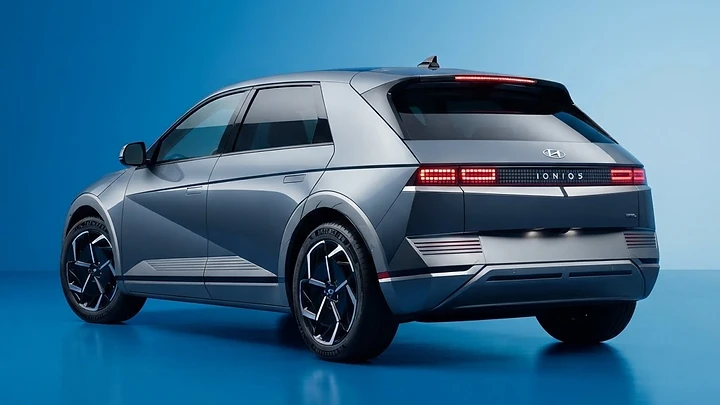

Navigating the World of Driver Assistance Systems From the 'hands-off, eyes-on' capability of systems like Ford BlueCruise to the sophisticated, supervised autonomy of Tesla’s FSD, the market is flooded with options.
The Hyundai IONIQ 5, for example, continues to lead its class in driver assistance, offering a seamless experience that reduces fatigue on long highway stretches. When evaluating these systems, remember that they are tools, not replacements for your attention. The best systems, like those found in the 2026 Honda CR-V or the latest Hyundai models, provide a gentle, intuitive layer of support that makes the driving experience feel less like a chore and more like a partnership. 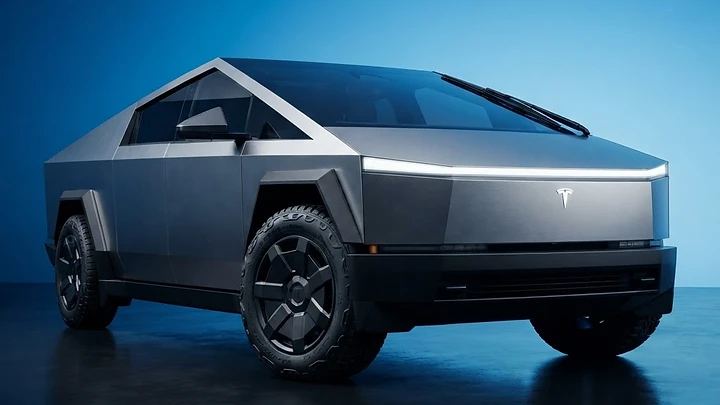

Practical Tips for the Safety-Conscious Buyer When you walk into a dealership, don't just ask about the monthly payment.
Ask for the window sticker and verify that the safety features you want are standard. In 2026, the IIHS requires that qualifying front crash prevention systems be standard across all trims for award winners. If a dealer tries to upsell you on a 'safety package,' check if those features are already mandated by the manufacturer to meet these new, higher safety standards. Always prioritize vehicles that have been tested under the latest 2026 protocols, as these represent the current pinnacle of automotive engineering. 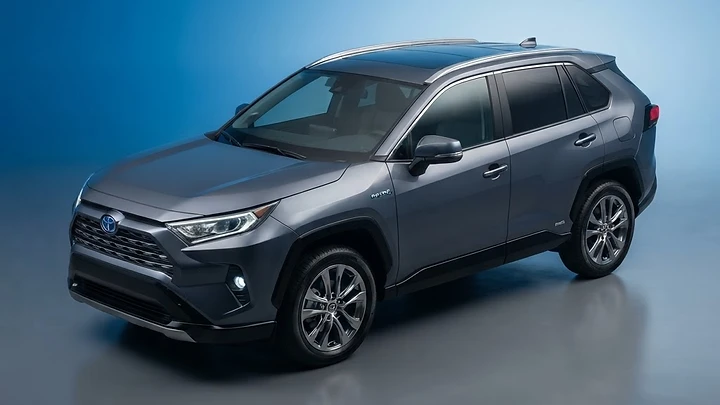

Frequently Asked Questions
Are 2026 safety features standard on all trim levels?
For vehicles earning an IIHS Top Safety Pick or Top Safety Pick+ award, yes. The institute now mandates that qualifying front crash prevention systems must be standard equipment across all trims to qualify for the award. #
Is it worth paying extra for blind-spot detection?
Absolutely. Studies show that blind-spot detection reduces lane-change crashes by 14% and injury-related lane-change crashes by 23%. It is one of the most effective safety features for daily commuting. #
Do I need to worry about high repair costs for sensors?
While individual sensor repairs are more expensive, the reduction in crash frequency means you are statistically less likely to need those repairs. The 'math' of safety favors the driver who avoids the accident entirely. #
Can I rely on my car to stop itself in an emergency?
While Automatic Emergency Braking (AEB) is incredibly effective—reducing front-to-rear crashes by 50%—it is not a replacement for an attentive driver. Always stay engaged with the road.
The Bottom Line When you choose a vehicle in 2026, you are choosing more than just a mode of transportation; you are choosing a guardian for your family.
The best advice is to look for vehicles that have achieved the IIHS Top Safety Pick+ rating, as these models have proven their ability to handle the most rigorous safety tests in the industry. Whether you are looking at a reliable SUV like the Honda CR-V or an innovative EV like the Hyundai IONIQ 5, prioritize the tech that keeps you and your loved ones safe. The open road is a place of wonder, and with the right safety technology, it is a place where you can drive with true confidence.
The cars in this story
The real price and honest verdict on each one
- 2026 Honda CR-VCompact SUV · from $30,920
- 2026 Tesla CybertruckPickup Truck · from $79,990
- 2026 Toyota TundraFull-Size Pickup · from $40,090
- 2026 Toyota RAV4Compact SUV · from $31,900
More car news

Safest Cars 2026: The Honest Buyer’s Guide to Protection
Buying a safe car in 2026? Discover how to navigate crash ratings, essential safety tech, and the models that offer the best protection for your family.

2026 Car Safety Tech: What Actually Keeps You Safe?
Confused by 2026 car safety tech? We break down what features actually save lives, which are worth the upgrade, and how to choose the safest car for your family.

Safest Family Cars 2026: The Honest Guide to Car Seat Fit
Finding the safest family car in 2026 goes beyond crash ratings. We break down which vehicles actually make installing car seats easy and stress-free.