2026 Car Safety Guide: Essential Tech for Your Family
Discover the must-have 2026 car safety features that protect your family. Learn what to look for to ensure peace of mind on every road trip you take.
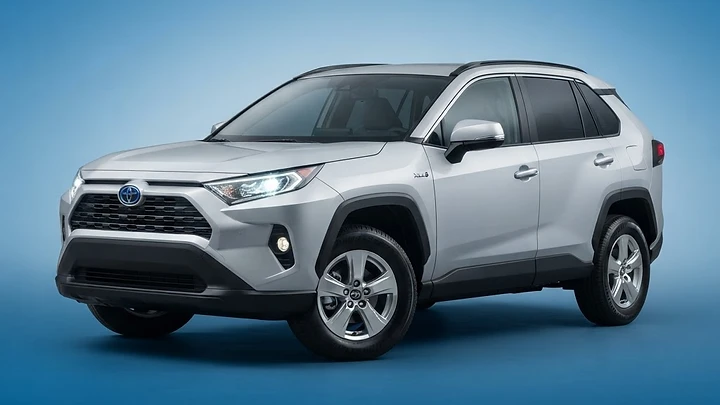
There is a profound sense of wonder that comes with pulling out of the driveway in a new vehicle, the engine humming with potential as you prepare to carry your most precious cargo—your family—into the world. Modern engineering has transformed the humble automobile into a sanctuary of steel and silicon, designed not just to transport us, but to actively watch over us. In 2026, the landscape of automotive safety has shifted from passive protection to proactive intelligence, making the open road safer than ever before. As you navigate the complexities of the current market, understanding these advancements is the key to making a choice that offers both peace of mind and long-term value.
The New Standard: Advanced Driver Assistance Systems (ADAS) In 2026, Advanced Driver Assistance Systems (ADAS) have moved from the realm of luxury options to the baseline of automotive safety.
These systems act as a second set of eyes, utilizing cameras, radar, and ultrasonic sensors to monitor the environment around your vehicle. Features like Automatic Emergency Braking (AEB) and Lane Departure Warning are now standard on many affordable models, such as the 2026 Toyota RAV4 and the 2026 Honda Civic. These technologies are designed to reduce driver stress and prevent collisions before they happen, providing a safety net that works silently in the background while you focus on the journey ahead. 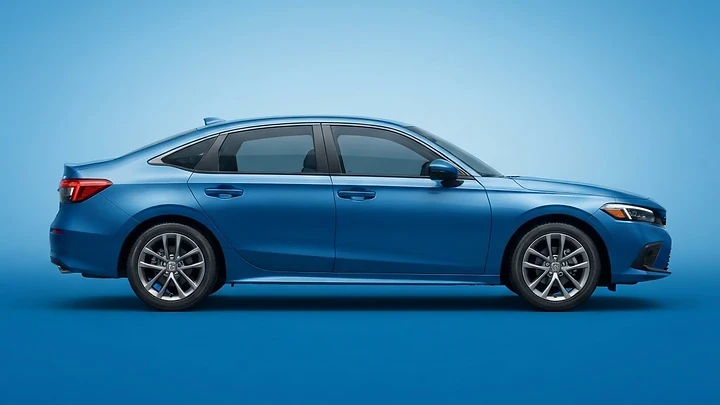
Why Blind-Spot Monitoring is a Non-Negotiable Feature One of the most significant leaps in daily driving safety is the widespread adoption of Blind-Spot Monitoring (BSM).
This system uses sensors to detect vehicles in your adjacent lanes, alerting you with a visual or audible signal before you attempt a lane change. For families navigating busy highways or urban centers, this feature is invaluable. When shopping for your next vehicle, prioritize models that include Rear Cross-Traffic Alert (RCTA) as well, which warns you of approaching traffic when backing out of parking spaces. It is a simple, effective layer of protection that turns high-stress maneuvers into routine tasks. 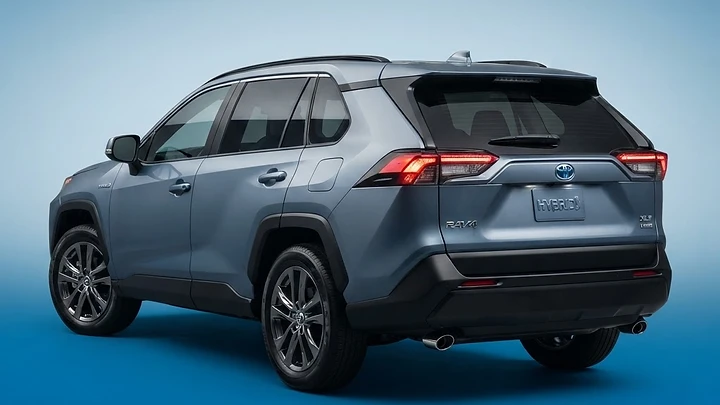

The Rise of Connected Vehicle Technology (V2X) We are entering an era where cars are beginning to talk to each other and the infrastructure around them.
Known as V2X (Vehicle-to-Everything) technology, this innovation allows your vehicle to receive warnings about traffic conditions, accidents, or hazards far beyond your line of sight. Imagine your car receiving a signal that a vehicle three cars ahead has slammed on its brakes, allowing your system to react before you even see the brake lights. While still evolving, this connected intelligence is a hallmark of the 2026 model year, representing the next frontier in accident prevention. 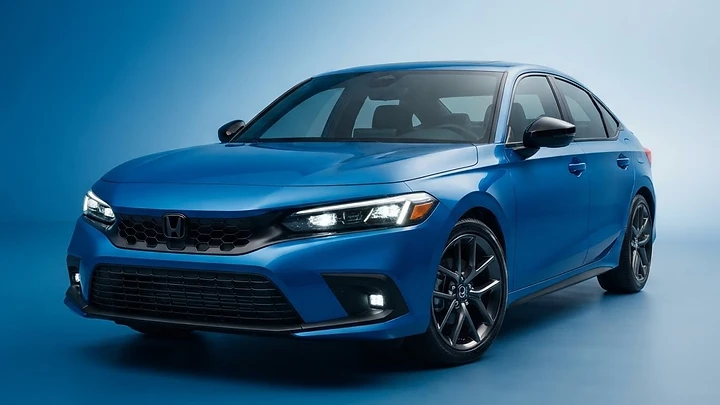

Driver Monitoring Systems: Keeping You Focused As of 2026, new federal mandates have pushed for the inclusion of Driver Monitoring Systems (DMS) in passenger vehicles.
These systems use interior-facing cameras to monitor your eye movement and head position, ensuring you remain focused on the road. If the system detects signs of drowsiness or distraction, it provides gentle alerts to help you regain your focus. While some drivers may feel wary of this technology, it is a vital tool for long-distance travel, ensuring that you arrive at your destination safely, no matter how many miles you have covered. 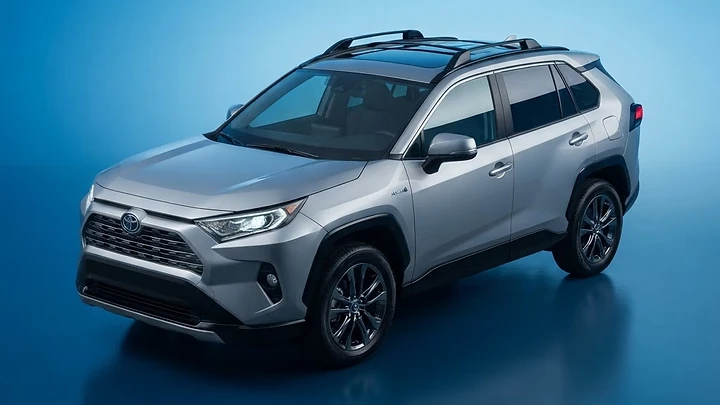

Frequently Asked Questions
What is the most important safety feature to look for in 2026?
While all ADAS features are beneficial, Automatic Emergency Braking (AEB) with pedestrian detection is widely considered the most critical for preventing common urban and highway accidents. #
Do I need to pay for a subscription to use safety features?
Most core safety features like lane-keeping assist and emergency braking are included in the base price of the vehicle. However, some advanced connected services or AI-driven voice assistants may require a subscription after an initial trial period. #
Are safety features standard on budget-friendly cars?
Yes, in 2026, many manufacturers have made essential safety tech standard across their entire lineup, including entry-level sedans and compact SUVs, to remain competitive and meet safety ratings. #
How do I know if a car's safety system is reliable?
Always check the latest safety ratings from the IIHS and NHTSA. Additionally, test drive the vehicle to ensure the alerts and interventions feel intuitive and not overly intrusive to your driving style.
The Bottom Line When you are ready to purchase your next vehicle, look beyond the horsepower and the infotainment screen.
Prioritize vehicles that offer a comprehensive suite of ADAS features, as these are the tools that will protect your family for years to come. Whether you choose a reliable SUV like the 2026 Toyota RAV4 or a fuel-efficient sedan like the 2026 Honda Civic, ensure that safety is at the top of your checklist. By focusing on these technological marvels, you are not just buying a car; you are investing in the safety and security of your most important passengers.
The cars in this story
The real price and honest verdict on each one
Every model, side by sideMore car news

Safest Cars 2026: The Honest Buyer’s Guide to Protection
Buying a safe car in 2026? Discover how to navigate crash ratings, essential safety tech, and the models that offer the best protection for your family.

2026 Car Safety Tech: What Actually Keeps You Safe?
Confused by 2026 car safety tech? We break down what features actually save lives, which are worth the upgrade, and how to choose the safest car for your family.

Safest Family Cars 2026: The Honest Guide to Car Seat Fit
Finding the safest family car in 2026 goes beyond crash ratings. We break down which vehicles actually make installing car seats easy and stress-free.