2026 Car Safety Guide: How to Choose the Safest New Vehicle
Discover how to navigate 2026 car safety ratings, essential tech, and family-friendly features to make a smart, transparent choice for your next vehicle.
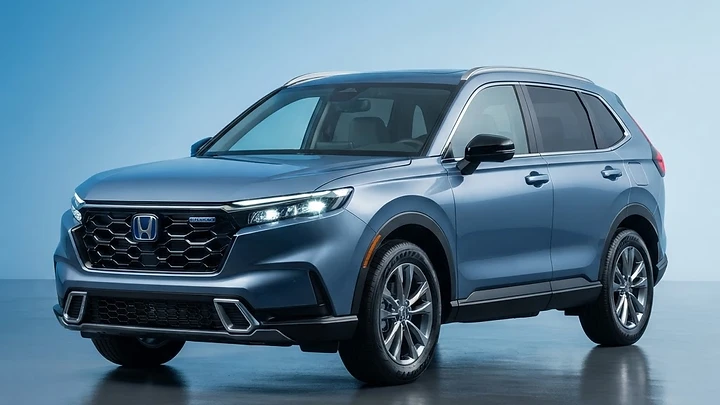
There is a profound, almost spiritual sense of wonder when you pull out of the driveway, your family safely buckled in, ready to conquer the open road. A vehicle is more than just steel and glass; it is the vessel that carries your most precious cargo through the unpredictable rhythms of daily life. In 2026, the landscape of automotive safety has evolved into a sophisticated dance of sensors, structural engineering, and intelligent software. As an independent resource, Carummah is here to cut through the marketing noise and help you understand what truly keeps you safe on the road today. Whether you are eyeing a 2026 Honda CR-V or a rugged 2026 Volkswagen Atlas, knowing how to evaluate safety is your most powerful tool for a transparent, pressure-free purchase.
Understanding Modern Crash Safety Ratings Navigating the alphabet soup of safety acronyms can feel overwhelming, but it is the foundation of your research.
The National Highway Traffic Safety Administration (NHTSA) provides the gold-standard 5-Star Safety Ratings, which evaluate frontal, side, and rollover crashworthiness. Meanwhile, the Insurance Institute for Highway Safety (IIHS) offers more rigorous testing, including the coveted Top Safety Pick+ designation. When shopping, look for vehicles that consistently score well across both organizations. Remember, a five-star rating is a baseline, not a ceiling. Always check the specific model year, as safety structures can change even if the vehicle's name remains the same. 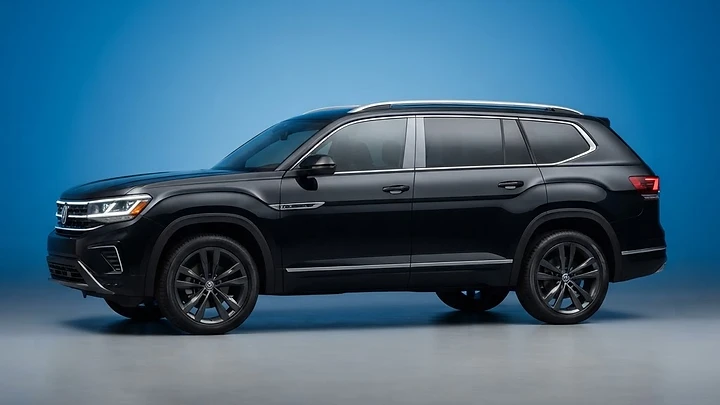
Essential Safety Tech: What Actually Matters?
In 2026, the market is flooded with advanced driver-assistance systems (ADAS). While features like automatic emergency braking and lane-keeping assist are now standard on many models, others are often hidden behind expensive trim levels. Don't be pressured into buying a luxury package just for safety. Focus on the core technologies that prevent accidents before they happen. Features like blind-spot monitoring with rear cross-traffic alert are invaluable for family haulers, while adaptive cruise control can significantly reduce driver fatigue on long highway stretches. Always verify if these features are standard or optional on the specific trim you are considering. 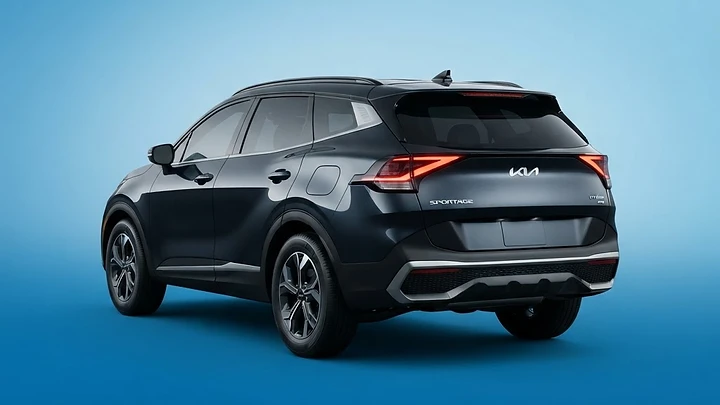

Family-First Design: Beyond the Crash Test Safety isn't just about how a car performs in a collision; it is about how it fits your life.
For families, the ease of installing car seats is a critical, often overlooked safety metric. Vehicles like the 2026 Subaru Outback and the 2026 Kia Sportage Hybrid have earned high marks for their LATCH system accessibility. A car that makes it simple to secure a child seat correctly every time is inherently safer than one that requires a struggle. Look for wide-opening rear doors and clearly marked anchor points, which can save you time and frustration during the morning school run. 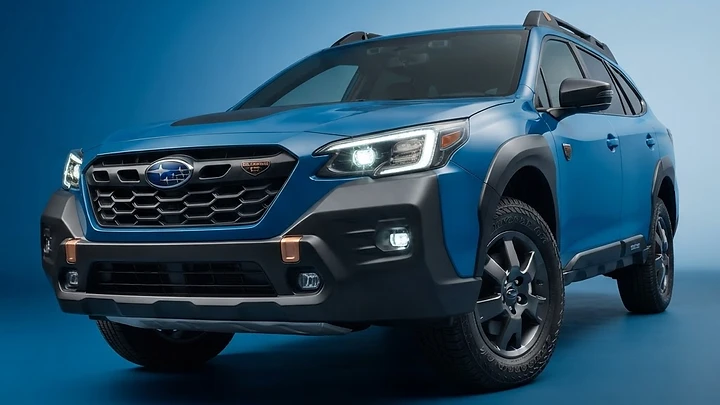

The Role of Structural Integrity and Visibility While software gets the headlines, the physical design of the vehicle remains paramount.
High-strength steel cages and crumple zones are the silent guardians of your family. Furthermore, never underestimate the importance of outward visibility. A vehicle with thin pillars and a high seating position, like the 2026 Honda Passport, often provides a better sense of the road than a sleek, low-slung sedan. When you test drive, pay attention to your blind spots and how the vehicle handles in real-world conditions, not just on a test track. 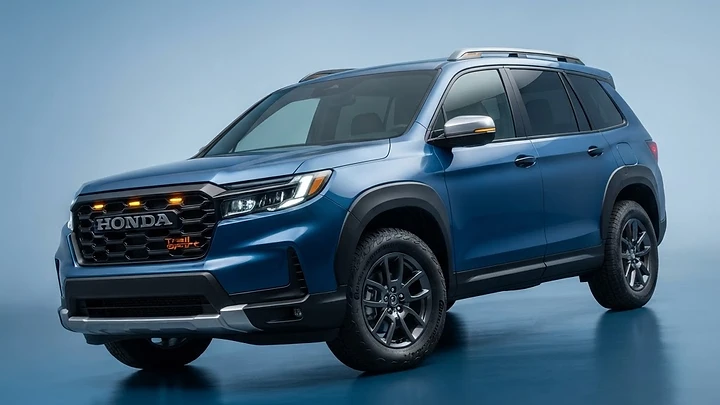

Frequently Asked Questions
What is the difference between NHTSA and IIHS ratings?
NHTSA focuses on federal crash standards and rollover resistance, while the IIHS conducts more stringent, real-world crash tests, including small-overlap frontal impacts. #
Are advanced safety features worth the extra cost?
Yes, features like automatic emergency braking and blind-spot monitoring are proven to reduce accident frequency and severity, making them a high-value investment for long-term ownership. #
How do I check for vehicle recalls?
You can use the NHTSA’s official website to enter your VIN and see if any safety-related recalls are active for a specific vehicle you are considering. #
Does a higher price tag always mean a safer car?
Not necessarily. Many affordable, mass-market vehicles like the 2026 Honda CR-V offer top-tier safety ratings, proving that protection is not exclusive to luxury brands.
The Bottom Line When buying a car in 2026, prioritize vehicles that offer standard advanced safety suites and have earned top marks from both the NHTSA and IIHS.
Don't let dealership pressure push you into features you don't need; focus on the fundamentals of crash protection, car seat compatibility, and visibility. By doing your homework and staying focused on your family's specific needs, you can drive away with confidence, knowing you have made a smart, safe, and transparent choice.
The cars in this story
The real price and honest verdict on each one
- 2026 Volkswagen AtlasMid-Size SUV · from $39,310
- 2026 Kia SportageCompact SUV · from $27,190
- 2026 Subaru OutbackOff-Road SUV · from $34,995
- 2026 Honda PassportOff-Road SUV · from $44,950
More car news

Safest Cars 2026: The Honest Buyer’s Guide to Protection
Buying a safe car in 2026? Discover how to navigate crash ratings, essential safety tech, and the models that offer the best protection for your family.

2026 Car Safety Tech: What Actually Keeps You Safe?
Confused by 2026 car safety tech? We break down what features actually save lives, which are worth the upgrade, and how to choose the safest car for your family.

Safest Family Cars 2026: The Honest Guide to Car Seat Fit
Finding the safest family car in 2026 goes beyond crash ratings. We break down which vehicles actually make installing car seats easy and stress-free.