2026 Car Safety Guide: Protecting Your Family on the Road
Discover the essential 2026 car safety features that actually matter. Learn how to choose a vehicle that protects your family without overpaying for tech.
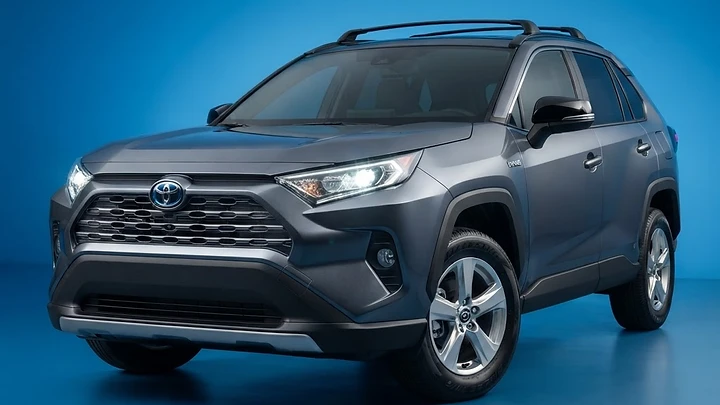
There is a profound sense of wonder in the open road—the way a machine, a marvel of modern engineering, carries your most precious cargo through the landscape. Whether you are navigating a rain-slicked highway or cruising under a clear blue sky, the vehicle you choose is more than just metal and glass; it is a sanctuary. In 2026, the landscape of automotive safety has shifted, moving beyond simple airbags to sophisticated systems designed to act as a second set of eyes. As an American car buyer, understanding these advancements is the first step toward true peace of mind.
Understanding Modern Safety Ratings and What They Mean When you start your search, you will encounter a alphabet soup of acronyms like IIHS and NHTSA.
It is easy to feel overwhelmed, but the core mission of these organizations is simple: to test how well a vehicle protects you in a collision. For 2026, the IIHS has raised the bar, placing a heavier emphasis on rear-seat occupant protection and updated front crash prevention systems. When shopping, look for the 'Top Safety Pick+' designation, which signifies that a vehicle has excelled in both crashworthiness and crash avoidance. Remember, a 5-star NHTSA rating is a great baseline, but always cross-reference it with the latest IIHS reports to ensure the vehicle meets the most rigorous standards for your specific needs. 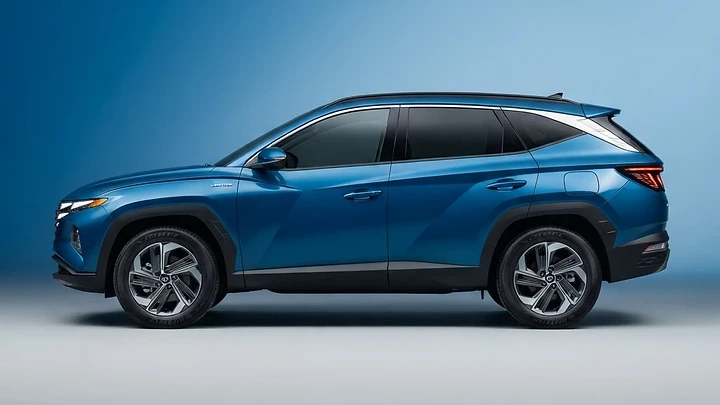
Essential Driver Assistance Tech: What to Look For Not all safety tech is created equal.
While some features are marketing fluff, others are genuine lifesavers. In 2026, prioritize vehicles that include standard Automatic Emergency Braking (AEB) with pedestrian detection. Lane-centering assist and adaptive cruise control are also transformative for long family road trips, reducing driver fatigue significantly. Be wary of 'subscription-based' safety features; at Carummah, we believe safety should be standard, not locked behind a monthly paywall. When test-driving, ensure these systems feel intuitive rather than intrusive. If a lane-keep assist system fights your steering input too aggressively, it may become a distraction rather than a safety net. 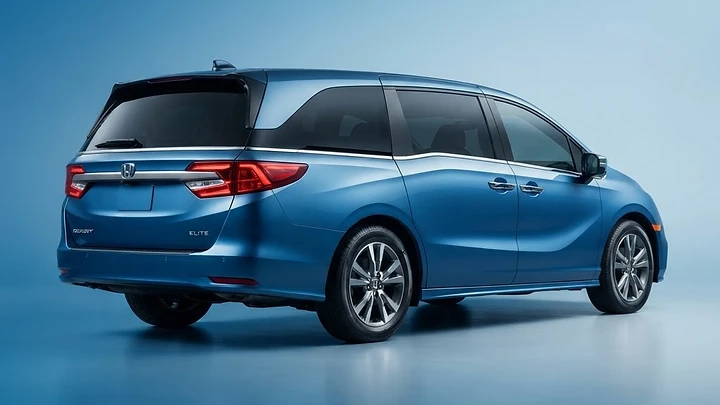

The Hybrid Advantage: Safety Meets Efficiency It is no secret that hybrids are dominating the 2026 market, and for good reason.
Beyond their impressive fuel economy, many hybrid models—like the 2026 Toyota RAV4 Hybrid or the 2026 Hyundai Tucson Hybrid—are built on platforms that prioritize structural integrity. Because these vehicles are often heavier due to their battery packs, they can offer a unique advantage in crash energy management. Furthermore, the regenerative braking systems in modern hybrids provide a smooth, predictable stopping feel that can help you maintain better control in emergency situations. With starting prices often hovering around $30,000 to $35,000, these vehicles offer a compelling blend of value, efficiency, and robust protection. 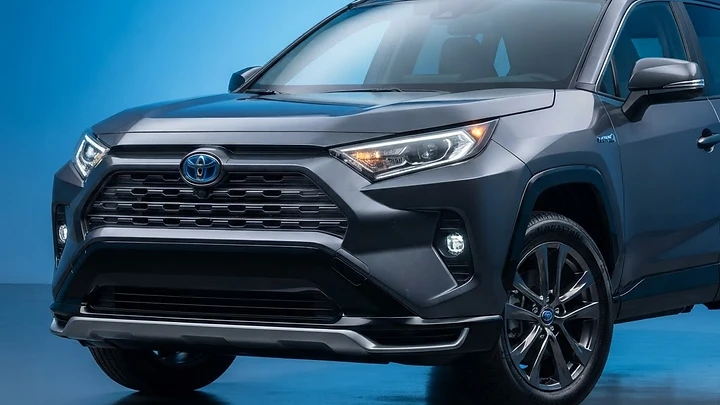

Family-Focused Safety: Beyond the Basics If you are hauling a family, your requirements go beyond just crash test scores.
You need ease of use for car seats, rear-seat climate control, and visibility. Minivans like the Honda Odyssey and Toyota Sienna remain the gold standard for family safety, offering superior rear-seat protection compared to many three-row SUVs. When inspecting a vehicle, bring your car seats with you. Check how easily they latch into the anchors and whether the rear doors open wide enough for easy loading. A vehicle that is difficult to use is a vehicle that is less safe in the daily grind of school runs and grocery trips. 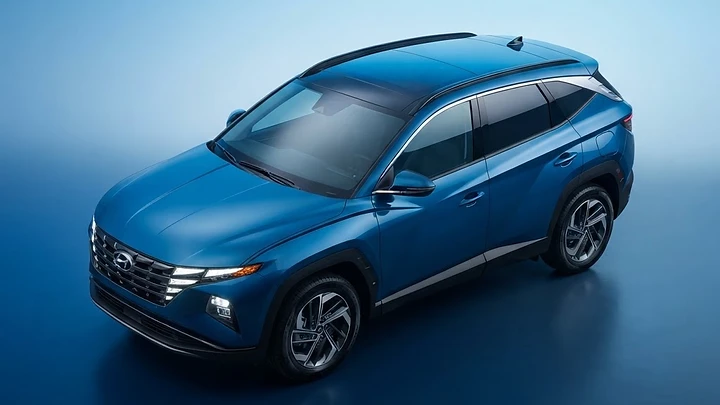

Frequently Asked Questions
Do I really need to pay extra for advanced safety packages?
No. Many manufacturers now include their 'Safety Sense' or 'SmartSense' suites as standard equipment. Always check the base trim level before agreeing to a more expensive package. #
Are electric vehicles safer than gas cars?
EVs often have lower centers of gravity and no heavy engine block, which can improve crash performance, but safety is ultimately determined by the vehicle's specific engineering and structural design. #
How often should I check my safety systems?
Modern cars perform self-diagnostics, but you should ensure your sensors are clean of mud or ice, especially in winter, to keep your collision-avoidance systems functioning correctly. #
Is a used car less safe than a 2026 model?
Generally, yes. While older cars are safe, 2026 models benefit from the latest advancements in side-impact protection and software-driven crash prevention that were not available even five years ago.
The Bottom Line When buying a car in 2026, prioritize vehicles that have earned the IIHS Top Safety Pick+ award and offer standard, non-subscription safety tech.
We recommend looking closely at the 2026 Toyota RAV4 Hybrid for its balance of reliability and standard safety, or the 2026 Honda Odyssey if you need maximum family utility. Safety is an investment in your family's future—choose a vehicle that protects them as well as it performs.
The cars in this story
The real price and honest verdict on each one
- 2026 Toyota RAV4Compact SUV · from $31,900
- 2026 Honda OdysseyMinivan · from $42,795
- 2026 Hyundai TucsonCompact SUV · from $29,450
- 2026 Toyota SiennaMinivan · from $40,120
More car news

Safest Cars 2026: The Honest Buyer’s Guide to Protection
Buying a safe car in 2026? Discover how to navigate crash ratings, essential safety tech, and the models that offer the best protection for your family.

2026 Car Safety Tech: What Actually Keeps You Safe?
Confused by 2026 car safety tech? We break down what features actually save lives, which are worth the upgrade, and how to choose the safest car for your family.

Safest Family Cars 2026: The Honest Guide to Car Seat Fit
Finding the safest family car in 2026 goes beyond crash ratings. We break down which vehicles actually make installing car seats easy and stress-free.