2026 Car Safety Guide: What Tech Actually Keeps You Safe?
Confused by 2026 car safety tech? We break down which advanced driver assistance systems are essential and which are just expensive marketing gimmicks.
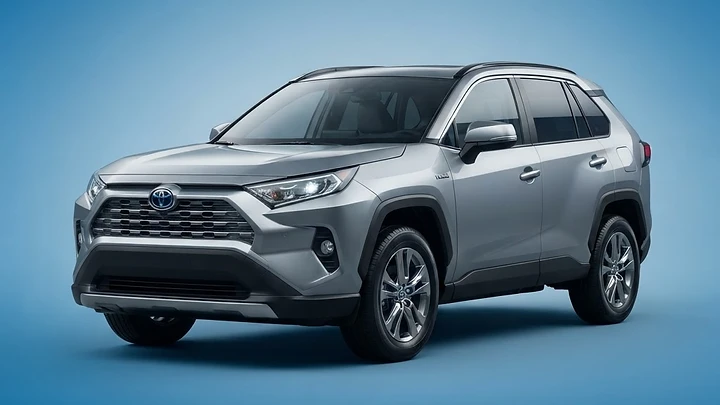
There is a profound, almost spiritual silence that settles over a modern cabin when you engage the latest safety systems. As you merge onto a rain-slicked highway, the vehicle feels less like a machine and more like a partner, constantly scanning the horizon with sensors that perceive the world far faster than human reflexes ever could. In 2026, the promise of automotive safety has evolved from simple steel cages to a complex web of digital vigilance. Yet, for the average American buyer, navigating this landscape of acronyms—AEB, ADAS, ISA—can feel like deciphering a foreign language. At Carummah, we believe your peace of mind shouldn't come with a hidden price tag or unnecessary complexity.
Understanding the Core of Modern Safety Systems When you walk onto a dealership lot, you will hear a lot about 'Advanced Driver Assistance Systems' (ADAS).
These are not self-driving features; they are sophisticated tools designed to support you, the driver. According to the NHTSA, human error remains the leading cause of accidents, and systems like Automatic Emergency Braking (AEB) are now the gold standard for mitigation. When shopping for a 2026 model, look for vehicles that include these as standard equipment rather than locked behind expensive 'technology packages.' A 2026 Toyota RAV4, for instance, integrates Toyota Safety Sense across its trims, providing a baseline of protection that shouldn't be optional. 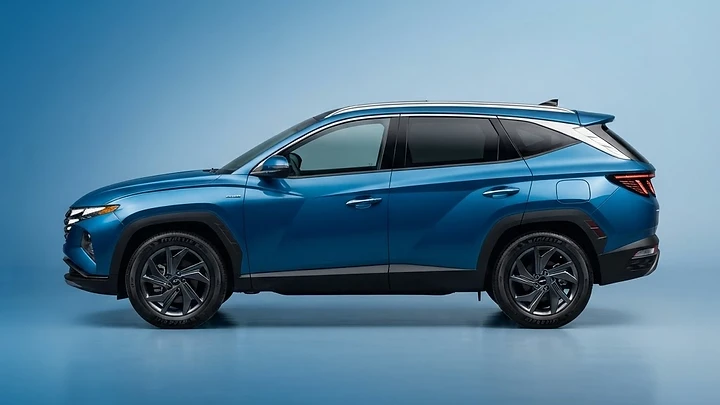
The Reality of 'Active' vs. 'Passive' Safety Features It is vital to distinguish between what happens before a crash and what happens during one. Passive safety—the structural integrity of the frame, the quality of the airbags, and the effectiveness of seat belt pretensioners—remains your final line of defense. However, active safety is where the 2026 market is truly innovating. Features like Lane Keeping Assist and Blind Spot Detection are no longer luxury items; they are essential tools for the modern commute. When evaluating a vehicle like the 2026 Hyundai Tucson, pay attention to how these systems integrate into your daily drive. Does the lane-centering feel natural, or is it fighting your steering inputs? A safe car is one that works in harmony with your driving style, not one that constantly nags you with false alarms. 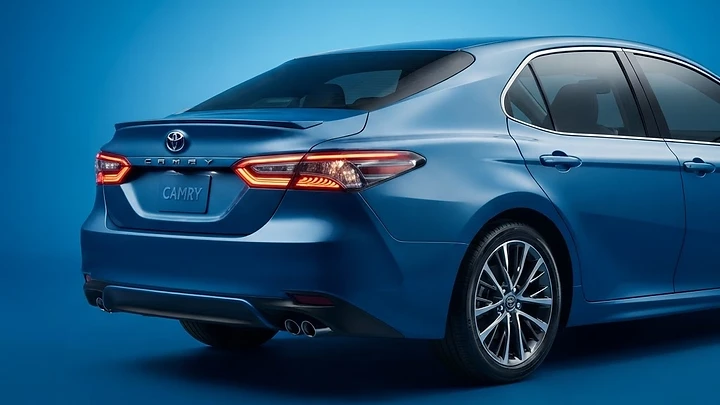

Why Reliability and Safety Go Hand-in-Hand A car that spends more time in the shop than on the road is a safety risk in itself.
Reliability data from 2026 shows that brands like Toyota and Hyundai are leading the charge by pairing high-tech safety suites with proven, durable powertrains. When you choose a vehicle with a strong reliability record, you are ensuring that the sensors, cameras, and radar units—the 'eyes' of your car—remain calibrated and functional over the long term. Don't just look at the crash test ratings; look at the long-term ownership costs and the manufacturer's commitment to software updates that keep your safety systems current. 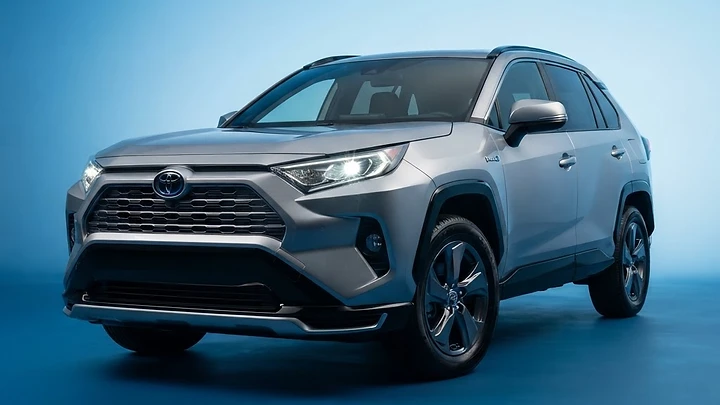

Frequently Asked Questions
Are advanced safety features worth the extra cost?
Yes, but only if they are proven to reduce accident risk. Features like Automatic Emergency Braking and Forward Collision Warning are widely considered essential. Avoid paying for 'gimmick' tech that doesn't directly contribute to collision avoidance. #
Do I need to pay for a subscription to keep my safety features active?
Generally, no. While some manufacturers offer premium connected services, core safety features like lane departure warnings and emergency braking are standard hardware-based systems that do not require a monthly fee. #
How do I know if a car's safety tech is actually reliable?
Check the NHTSA 5-Star Safety Ratings and look for vehicles that have been tested on standardized ADAS loops. Consumer Reports also provides excellent data on how these systems perform in real-world conditions. #
Is 'self-driving' tech available in 2026?
No. Despite the marketing buzz, there are no consumer vehicles available today that can legally or safely drive themselves. All current systems require an attentive human driver at all times. 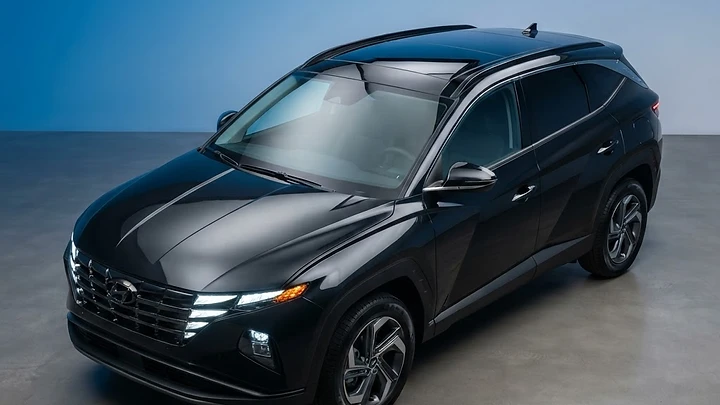

The Bottom Line When you are ready to buy, prioritize vehicles that offer a comprehensive suite of active safety features as standard equipment.
A 2026 Toyota Camry or a 2026 Hyundai Tucson offers a perfect balance of proven reliability and modern, life-saving technology. Remember, the best safety feature in any car is still the driver. Use these tools to augment your awareness, not replace it. By focusing on the essentials—AEB, blind-spot monitoring, and solid structural design—you can find a vehicle that protects your family without breaking your budget. Drive with confidence, knowing you have made an informed, transparent choice.
The cars in this story
The real price and honest verdict on each one
- 2026 Hyundai TucsonCompact SUV · from $29,450
- 2026 Toyota CamryMid-Size Sedan · from $28,850
- 2026 Toyota RAV4Compact SUV · from $31,900
More car news

Safest Cars 2026: The Honest Buyer’s Guide to Protection
Buying a safe car in 2026? Discover how to navigate crash ratings, essential safety tech, and the models that offer the best protection for your family.

2026 Car Safety Tech: What Actually Keeps You Safe?
Confused by 2026 car safety tech? We break down what features actually save lives, which are worth the upgrade, and how to choose the safest car for your family.

Safest Family Cars 2026: The Honest Guide to Car Seat Fit
Finding the safest family car in 2026 goes beyond crash ratings. We break down which vehicles actually make installing car seats easy and stress-free.