2026 Car Safety Tech: What Actually Keeps You Safe?
Confused by marketing buzzwords? We break down the 2026 car safety tech that actually saves lives, helping you choose the right protection for your family.
There is a profound, quiet magic in the way a modern vehicle wraps its occupants in a cocoon of invisible protection. As you pull onto the highway, the hum of the engine and the rhythmic passing of the landscape are underscored by a silent, vigilant network of sensors and processors working in harmony to ensure you reach your destination. In 2026, the landscape of automotive safety has shifted from reactive metal cages to proactive, intelligent systems that anticipate danger before it manifests. For the American car buyer, navigating this sea of acronyms—ADAS, AEB, LKA—can feel overwhelming, but understanding what truly keeps you safe is the most important investment you can make for your family.
The Hierarchy of Safety: Active vs.
Passive Systems To make sense of the 2026 market, we must distinguish between two pillars of protection. Passive safety features, like reinforced steel crumple zones and advanced multi-stage airbag systems, are your last line of defense. They are the silent heroes that perform when the unthinkable happens. However, the real revolution in 2026 is in active safety—Advanced Driver Assistance Systems (ADAS). These systems, such as Automatic Emergency Braking (AEB) and Blind-Spot Monitoring, are designed to intervene in the milliseconds before a collision. According to recent data, vehicles equipped with robust AEB systems significantly reduce the likelihood of rear-end crashes, turning potential tragedies into non-events. When shopping, prioritize models that offer these as standard equipment rather than hidden behind expensive, top-tier trim packages. 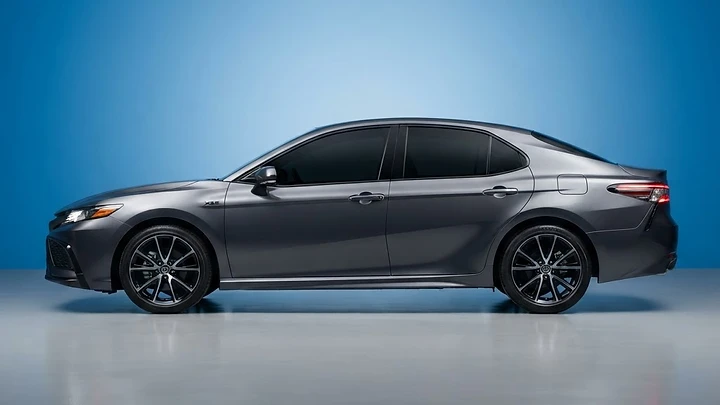
Why Size and Engineering Still Matter While technology is a marvel, physics remains the ultimate arbiter of safety.
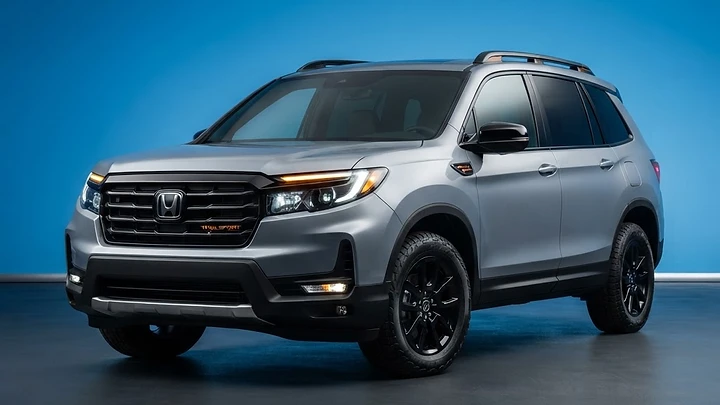
The Insurance Institute for Highway Safety (IIHS) continues to highlight that smaller, lighter vehicles face inherent challenges in multi-vehicle collisions. If your budget allows, opting for a mid-size SUV like the 2026 Honda Passport or a well-engineered sedan like the 2026 Toyota Camry provides a larger footprint and more substantial crumple zones. Reliability also plays a role; a vehicle that is mechanically sound is less likely to leave you stranded in precarious situations. Look for the 'Top Safety Pick+' designation, which signifies that a vehicle has passed the most rigorous crash-test scenarios, including side-impact and small-overlap frontal tests. 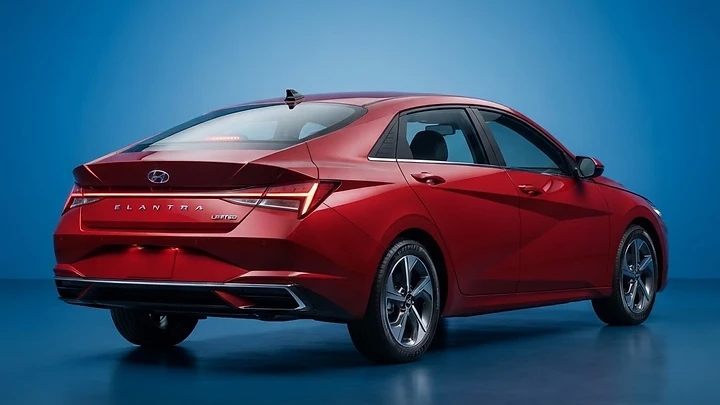

The New Frontier: Proactive Parental Peace of Mind For families, the 2026 model year introduces features that go beyond simple collision avoidance.
We are seeing the rise of 'Safe Exit Assist,' which uses radar to prevent doors from opening into the path of oncoming cyclists or vehicles—a game-changer for busy school drop-off lines. Furthermore, advanced interior motion sensors, found in premium models like the 2026 Lexus RX, can detect microscopic movement in the cabin after the car is locked, alerting you if a child or pet has been left behind. These features are not just gimmicks; they are thoughtful engineering solutions to real-world human errors. 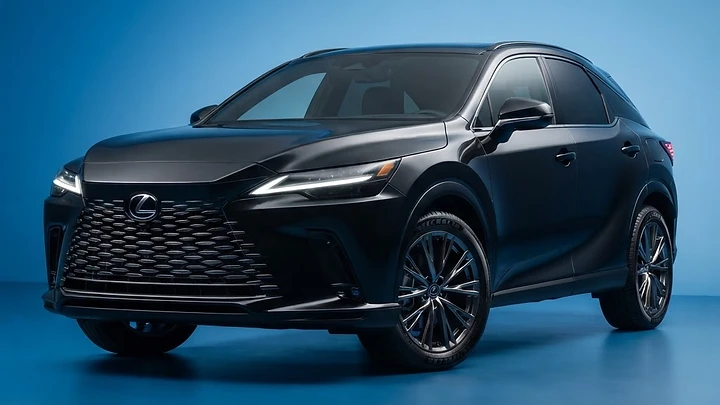

Navigating the Alphabet Soup of ADAS When you visit a dealership, you will hear terms like 'Proactive Driving Assist' or 'Lane Centering.' It is vital to remember that these are driver-assistance tools, not autonomous systems. The most effective safety tech is that which supports, rather than replaces, the driver. When test-driving, pay attention to how intrusive these systems feel. A good system should provide gentle, intuitive feedback—a subtle vibration in the steering wheel or a soft chime—rather than jarring, panic-inducing alerts that might cause a driver to overcorrect. 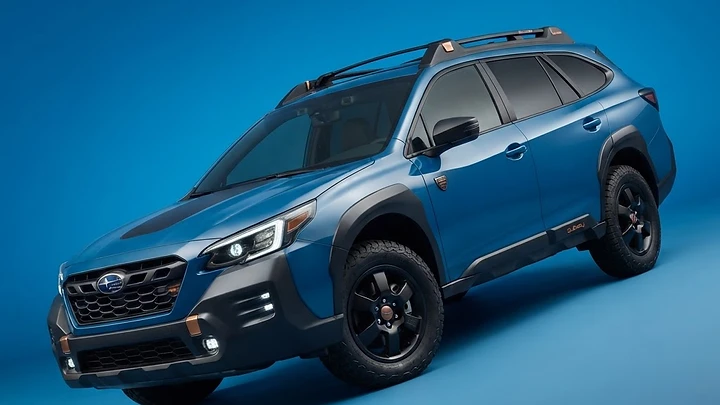

Frequently Asked Questions
What is the difference between IIHS Top Safety Pick and Top Safety Pick+?
The 'Top Safety Pick' is a high honor, but 'Top Safety Pick+' is the gold standard. It requires the vehicle to achieve superior ratings in all crash tests and demonstrate advanced performance in headlight and pedestrian-detection evaluations. #
Are advanced safety features worth the extra cost?
Yes. While they may increase the initial purchase price, the potential to avoid a single accident can save thousands in insurance deductibles, repair costs, and, more importantly, physical well-being. #
Can I rely on my car to drive itself?
No. Even with the most advanced 2026 safety suites, the driver is always responsible for the vehicle. These systems are designed to assist, not replace, an engaged human driver. #
Does a higher price tag always mean a safer car?
Not necessarily. Many affordable, high-volume vehicles like the 2026 Hyundai Elantra offer the same core safety tech as luxury models. Always check the specific safety ratings for the trim level you are considering.
The Bottom Line When buying your next car, look past the infotainment screens and leather upholstery.
Your priority should be a vehicle with a proven track record of crashworthiness and a comprehensive suite of active safety features. For most families, a 2026 model that earns the IIHS Top Safety Pick+ rating and includes standard AEB and blind-spot monitoring is the smartest, safest investment. Remember, the best safety feature is a well-maintained vehicle and an attentive driver, but having that extra layer of intelligent protection provides the peace of mind that makes every mile on the open road a little more enjoyable.
The cars in this story
The real price and honest verdict on each one
- 2026 Lexus RXMid-Size Luxury SUV · from $51,000
- 2026 Toyota CamryMid-Size Sedan · from $28,850
- 2026 Hyundai ElantraCompact Sedan · from $22,625
- 2026 Subaru OutbackOff-Road SUV · from $34,995
More car news

Safest Cars 2026: The Honest Buyer’s Guide to Protection
Buying a safe car in 2026? Discover how to navigate crash ratings, essential safety tech, and the models that offer the best protection for your family.

2026 Car Safety Tech: What Actually Keeps You Safe?
Confused by 2026 car safety tech? We break down what features actually save lives, which are worth the upgrade, and how to choose the safest car for your family.

Safest Family Cars 2026: The Honest Guide to Car Seat Fit
Finding the safest family car in 2026 goes beyond crash ratings. We break down which vehicles actually make installing car seats easy and stress-free.