2026 Car Tech Guide: Is Your Infotainment System a Dealbreaker?
Buying a new car in 2026? Don't let a frustrating screen ruin your drive. Discover which infotainment systems actually work and what features matter most.
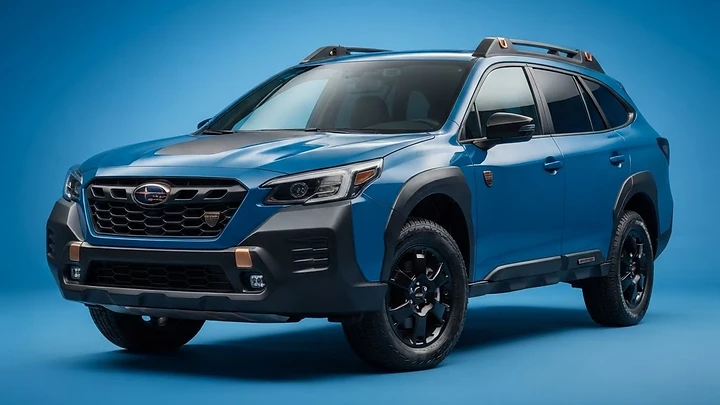
There is a specific, quiet magic to the open road—the way the horizon stretches out, the hum of the engine beneath you, and the feeling that your vehicle is an extension of your own intent. In 2026, that connection is increasingly mediated by the glowing glass of your infotainment system. It is no longer just a radio; it is the command center for your climate, your safety, and your digital life. Yet, as many buyers are discovering, not all systems are created equal. With infotainment issues accounting for a staggering 25% of all new vehicle problems, choosing the right tech is now as critical as choosing the right engine.
The Rise of the Software-Defined Vehicle The automotive industry is undergoing a seismic shift toward 'software-defined vehicles.' This means your car is essentially a computer on wheels that can evolve over time. Manufacturers like BMW and Toyota are moving toward systems that support over-the-air (OTA) updates, allowing them to patch bugs or add features long after you have driven off the lot. When you are shopping, look for brands that prioritize this flexibility. A system that feels clunky today might be significantly improved by a software update next month, provided the manufacturer has the infrastructure to support it. 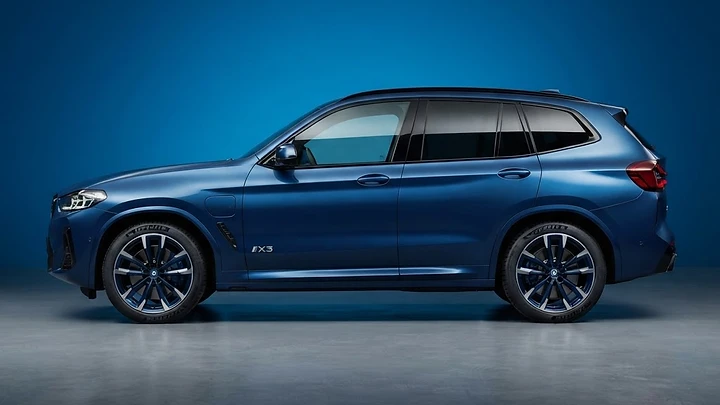
Why Physical Buttons Are Making a Comeback For a few years, the industry trend was to bury every function—from heated seats to fan speed—inside a touchscreen menu.
Buyers hated it. In 2026, we are seeing a refreshing pivot back to tactile reality. Models like the 2026 Subaru Outback have proven that drivers still crave the physical feedback of a knob or a button. When you are test-driving, ask yourself: Can I adjust the temperature without taking my eyes off the road for five seconds? If the answer is no, that 'sleek' design might actually be a safety liability. 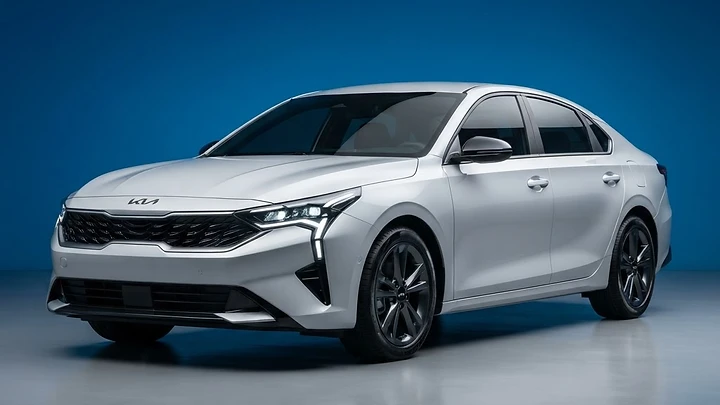

AI Assistants: The New Co-Pilot Generative AI is the latest frontier in the cabin.
BMW’s 2026 iX3, for instance, has introduced an AI assistant that learns your habits and preferences, making voice commands feel less like talking to a robot and more like interacting with a helpful passenger. The goal is to keep your hands on the wheel and your eyes on the road. If you spend a lot of time commuting, a system with robust, natural-language voice recognition is worth the premium. It turns a stressful traffic jam into a manageable, hands-free experience. 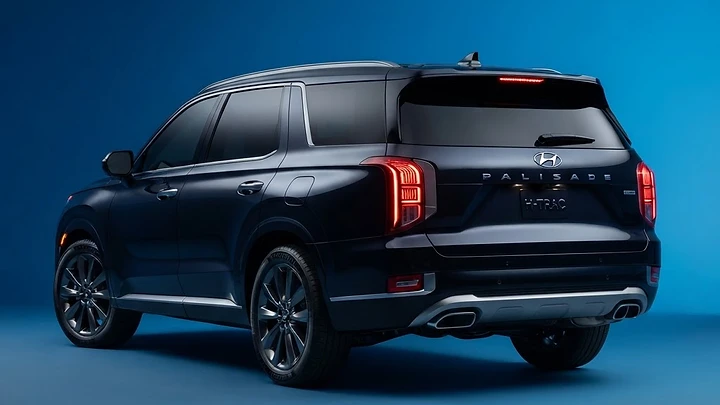

Smartphone Integration: The Gold Standard Despite the advancements in native software, Apple CarPlay and Android Auto remain the gold standard for most American buyers.
The ability to seamlessly transition your music, navigation, and messages from your phone to your car’s display is non-negotiable for many. When evaluating a vehicle, check if the integration is wireless. Wired connections are reliable, but the convenience of wireless connectivity—where your phone stays in your pocket while the map pops up on the screen—is a game-changer for daily errands and long road trips alike. 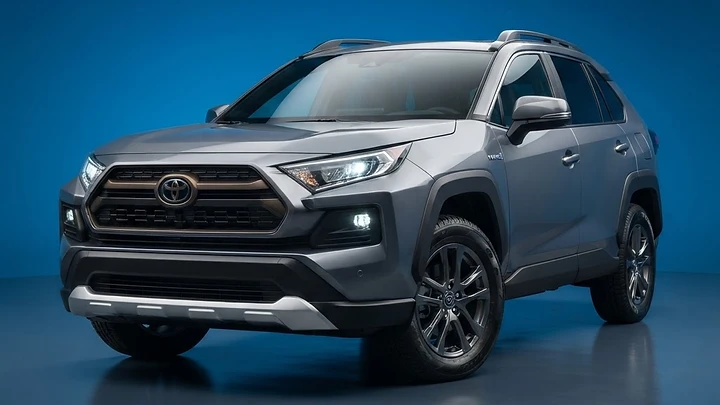

Frequently Asked Questions
Does a better infotainment system mean a more expensive car?
Not necessarily. While premium brands like BMW often lead in satisfaction, the 2026 JD Power study shows that non-premium vehicles like the Hyundai Palisade and Kia K4 offer top-tier user experiences. You don't have to break the bank to get a responsive, intuitive screen. #
What is the biggest 'red flag' in a new car's tech?
The biggest red flag is 'menu diving.' If you have to navigate through three sub-menus just to change the radio station or adjust the AC, that system will frustrate you every single day of ownership. #
Are OTA updates really that important?
Yes. They extend the life of your vehicle by keeping the software current. A car that can receive updates is a car that stays 'new' for longer, which helps with long-term resale value. #
Should I prioritize a large screen over a fast processor?
Always prioritize speed. A massive 15-inch screen that lags or stutters is far worse than a crisp, responsive 8-inch display. Responsiveness is the key to a stress-free driving experience.
The Bottom Line When you are at the dealership, do not just sit in the driver's seat and look at the leather.
Turn the car on. Pair your phone. Try to change the climate settings while the car is moving. If the system feels intuitive and fast, you have found a winner. If it feels like a chore, keep looking. Your car should be a source of wonder and freedom, not a source of tech-induced headaches.
The cars in this story
The real price and honest verdict on each one
- 2026 Hyundai PalisadeMid-Size SUV · from $39,435
- 2026 Toyota RAV4Compact SUV · from $31,900
- 2026 Subaru OutbackOff-Road SUV · from $34,995
- 2026 Lucid AirLuxury Electric Sedan · from $70,900
More car news

Used Hybrid Cars: The 2026 Honest Buyer’s Guide
Considering a used hybrid? Discover why these fuel-efficient vehicles are trending in 2026 and how to find a reliable deal without overpaying.

2026 Car Buying: How to Navigate High Prices and Tech
Buying a car in 2026? Discover how to navigate record-high prices, essential tech features, and shifting market trends to secure the best deal for your needs.

Software-Defined Cars: The 2026 Honest Buyer’s Guide
Are software-defined cars worth the hype? Discover how over-the-air updates and subscription features are changing the 2026 car buying experience.