Used Hybrid Cars: The 2026 Honest Buyer’s Guide
Considering a used hybrid? Discover why these fuel-efficient vehicles are trending in 2026 and how to find a reliable deal without overpaying.
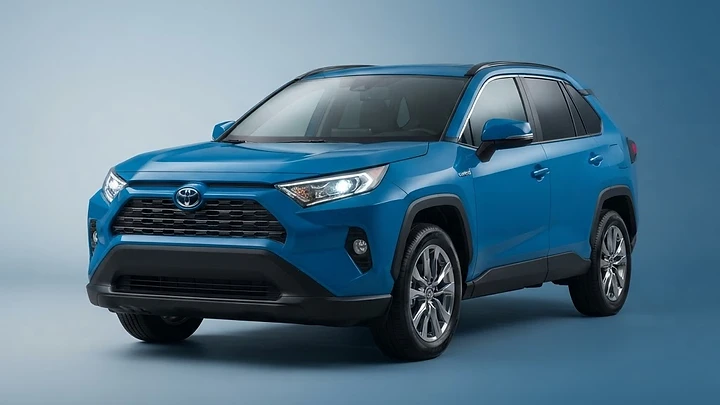
There is a quiet revolution happening on the open road. As you glide silently through a morning commute, the seamless transition between electric power and gasoline engine feels less like a mechanical process and more like a partnership with the future. For the American family, the 2026 car market has become a landscape of tough choices, but the surge in demand for used hybrid cars suggests that many drivers have found their answer. With new vehicle prices hovering near $52,000, the hunt for value has led savvy buyers back to the pre-owned market, where reliability meets efficiency in a way that makes sense for the modern wallet.
Why Used Hybrids Are Winning in 2026 The data is clear: affordability is the primary driver of today’s automotive decisions.
While new electric vehicles capture headlines, used hybrids are capturing market share. Why? Because they offer the best of both worlds—the range confidence of a gas engine and the fuel-sipping efficiency of an electric motor. In 2026, we are seeing a massive influx of off-lease vehicles returning to the market, providing a wider selection of 3-to-5-year-old models that have been well-maintained. Whether you are looking at a 2023 Toyota RAV4 Hybrid or a 2022 Honda Accord Hybrid, these vehicles are proving that you don't need to sacrifice long-term value to stay within a reasonable budget. 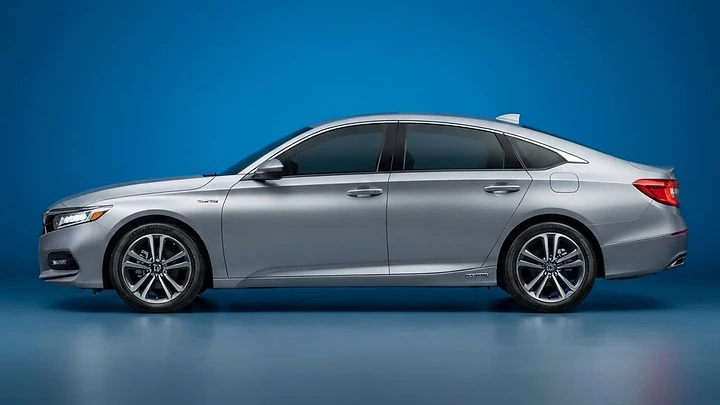

Understanding the Total Cost of Ownership When you look at a used hybrid, the sticker price is only the beginning.
Unlike traditional gas-powered vehicles, hybrids offer significant savings at the pump, which is a critical factor when fuel prices fluctuate. However, you must account for the long-term health of the hybrid battery. Most manufacturers offer warranties that extend up to 8 or 10 years, meaning many used models still have significant coverage remaining. Always check the vehicle history report to ensure the battery has been serviced according to the manufacturer's schedule. A well-cared-for hybrid can easily exceed 200,000 miles, making it a smart investment for families who plan to keep their vehicle for the long haul. 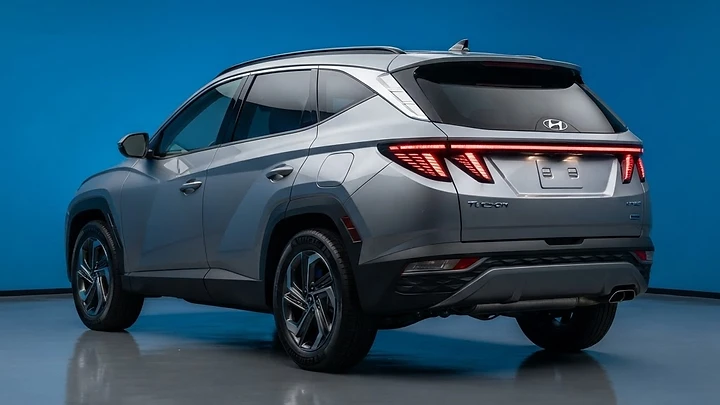

What to Inspect Before You Buy Because hybrids rely on complex software and battery management systems, a pre-purchase inspection is non-negotiable.
Do not rely solely on a dealership's certification. Take the vehicle to an independent mechanic who specializes in hybrid technology. They should perform a battery health check, which measures the state of charge and capacity of the cells. Additionally, check the tires—hybrids often use low-rolling-resistance tires that are more expensive to replace than standard rubber. Knowing these costs upfront prevents "sticker shock" after you have already signed the paperwork. 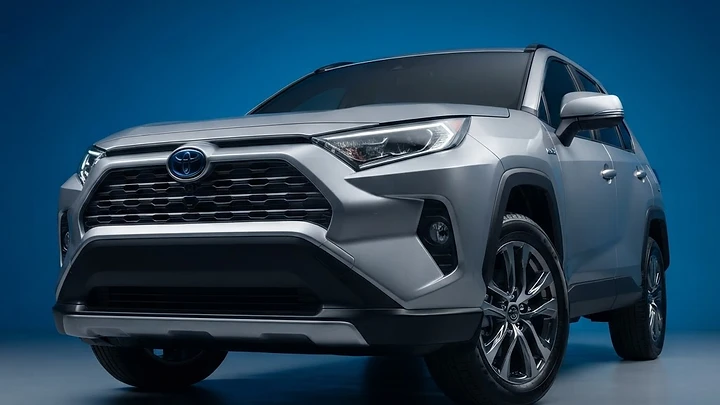

Navigating the Used Market With Confidence The current market is competitive, but patience is your greatest asset.
With used car loan interest rates averaging around 12%, securing your own financing through a credit union before visiting a dealership can save you thousands over the life of the loan. Focus on models with a proven track record of reliability, such as the Toyota Camry Hybrid or the Hyundai Tucson Hybrid. These vehicles hold their value well, which is a double-edged sword: they cost more upfront, but they provide peace of mind and a higher resale value when it is eventually time to trade in. 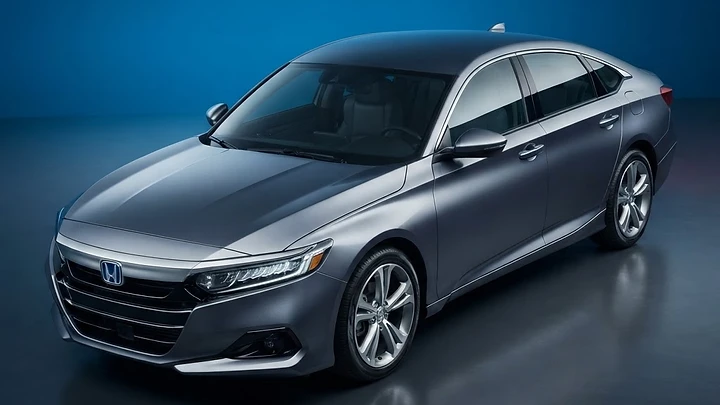

Frequently Asked Questions
Are used hybrid batteries expensive to replace?
While a full battery replacement can cost between $2,000 and $5,000, it is a rare occurrence for modern hybrids. Most batteries last the life of the vehicle. #
Is it better to buy a used hybrid or a new gas car?
If your daily commute involves heavy stop-and-go traffic, a used hybrid will almost always save you more money in fuel costs over five years than a new gas-only vehicle. #
How do I check the battery health of a used hybrid?
Ask the seller for a diagnostic report from a certified technician. This report should show the battery's current capacity percentage compared to when it was new. #
Do hybrids require special maintenance?
Aside from the battery system, hybrids require the same basic maintenance as gas cars—oil changes, brake fluid, and tire rotations. In fact, because of regenerative braking, your brake pads will likely last much longer than those on a standard car.
The Bottom Line The 2026 market is challenging, but it is also full of opportunity for the informed buyer.
A used hybrid represents a bridge between the past and the future, offering the reliability of proven engineering with the efficiency of modern tech. If you prioritize long-term savings, lower fuel consumption, and a smaller carbon footprint, a well-inspected used hybrid is arguably the smartest purchase you can make today. Do your research, get that independent inspection, and drive away with the confidence that you’ve made a choice that serves both your family and your finances.
The cars in this story
The real price and honest verdict on each one
- 2026 Honda AccordMid-Size Sedan · from $28,395
- 2026 Toyota RAV4Compact SUV · from $31,900
- 2026 Hyundai TucsonCompact SUV · from $29,450
- 2026 Toyota CamryMid-Size Sedan · from $28,850
More car news

2026 Car Buying: How to Navigate High Prices and Tech
Buying a car in 2026? Discover how to navigate record-high prices, essential tech features, and shifting market trends to secure the best deal for your needs.

Software-Defined Cars: The 2026 Honest Buyer’s Guide
Are software-defined cars worth the hype? Discover how over-the-air updates and subscription features are changing the 2026 car buying experience.

Head-Up Displays: Are They Worth It in 2026?
Are head-up displays worth the upgrade in 2026? We break down the safety, tech, and real-world value of HUDs to help you decide if you need one.