Software-Defined Cars: The 2026 Honest Buyer’s Guide
Are software-defined cars worth the hype? Discover how over-the-air updates and subscription features are changing the 2026 car buying experience.
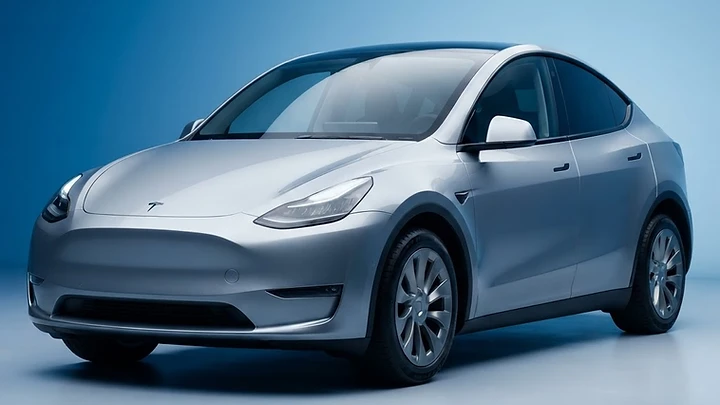
Imagine waking up to find your car has gained a new feature overnight—a more efficient battery management system or a refined suspension setting—all while it sat parked in your driveway. This isn't science fiction; it is the reality of the software-defined vehicle (SDV) era in 2026. As we navigate a market where the average new car price hovers around $50,000, the value proposition of your vehicle is shifting from purely mechanical prowess to digital capability. For the modern American buyer, understanding this transition is no longer optional; it is the key to ensuring your investment doesn't become obsolete before your first loan payment is even processed.
What Exactly Is a Software-Defined Car?
At its core, a software-defined car is a vehicle where the driving experience, safety features, and performance characteristics are managed by centralized computer systems rather than isolated mechanical components. In 2026, models like the Tesla Model Y or the Hyundai Ioniq 6 are essentially rolling computers. They rely on Over-the-Air (OTA) updates to fix bugs, improve range, or even unlock performance boosts. While this offers incredible convenience, it also introduces a new layer of complexity. You are no longer just buying a machine; you are entering into a long-term relationship with a software ecosystem. 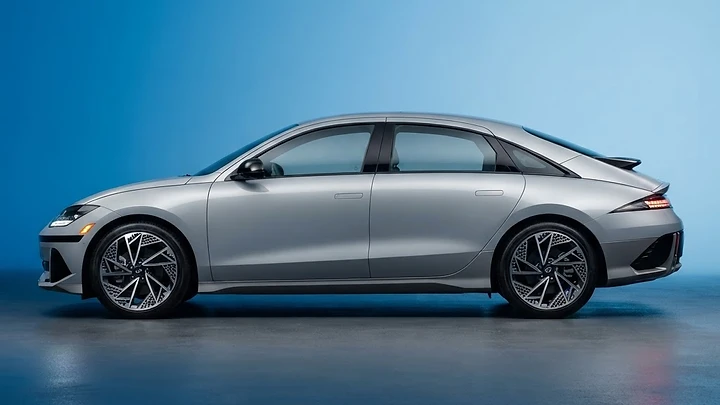
The Hidden Cost of Digital Features One of the most controversial trends in 2026 is the rise of 'feature-on-demand' subscriptions.
Some manufacturers are now locking hardware—like heated seats or advanced driver-assist systems—behind a digital paywall. Before you sign that purchase contract, ask the dealer specifically: 'Which features are permanent, and which require a monthly subscription?' A vehicle that seems like a bargain at $42,000 can quickly become a financial drain if you are paying $30 a month just to access the full potential of the hardware you already paid for. Always prioritize vehicles that offer 'buy-once' functionality over those that nickel-and-dime you for basic comfort. 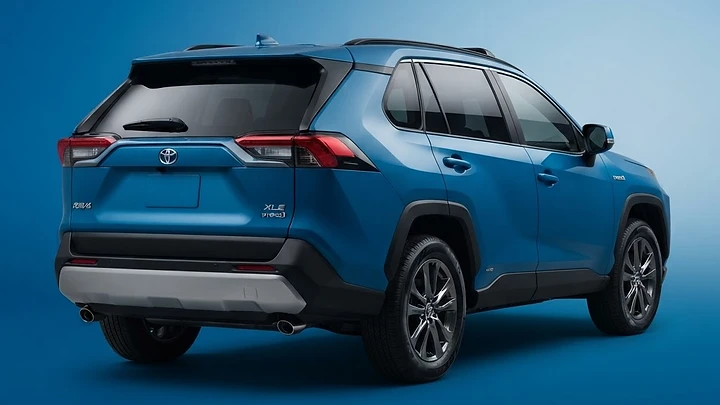

Battery Transparency and Digital Health For those eyeing the growing used EV market, software transparency is your best friend.
In 2026, the 'battery state-of-health' report is as important as a Carfax. Because software manages how your battery charges and discharges, you need to ensure the previous owner didn't abuse the system. Look for certified pre-owned programs that provide a digital health certificate. If a seller cannot provide data on the battery's current capacity and charging history, walk away. The software-defined nature of these cars means that a healthy battery is the single most important factor in long-term ownership value. 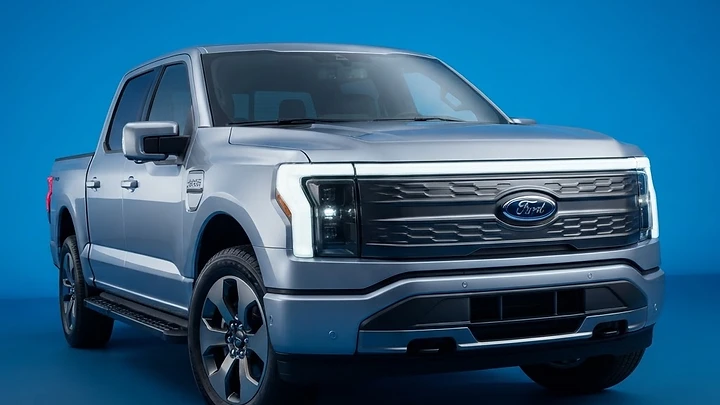

Frequently Asked Questions
Are software updates always free?
Not necessarily. While safety-critical patches are usually free, some manufacturers charge for 'performance upgrades' or premium infotainment features. Always check the fine print.
Can I opt out of software-defined features?
You can choose to buy vehicles from brands that focus on traditional, hardware-first engineering, but these are becoming rarer. Most modern cars require some level of connectivity for basic safety systems.
Does software-defined tech hurt resale value?
It is a double-edged sword. A car that receives regular, meaningful updates may hold its value better, but a car tied to a defunct or expensive subscription service will likely depreciate faster.
How do I protect my privacy?
Most modern cars collect data. Review the privacy settings in the infotainment menu and opt out of non-essential data sharing to keep your driving habits private. 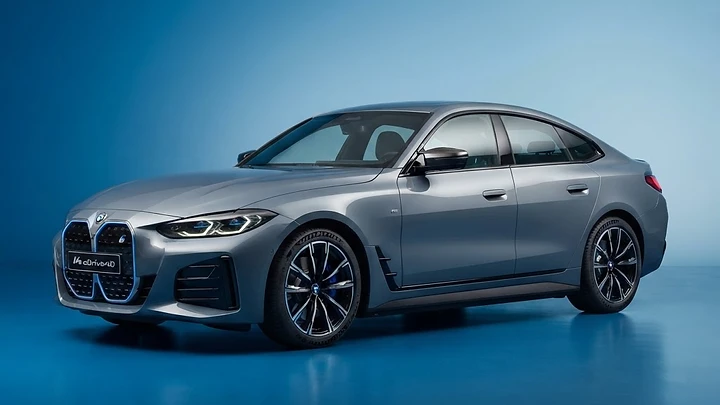

The Bottom Line The shift toward software-defined vehicles is inevitable, but it doesn't have to be intimidating.
When shopping in 2026, treat the software as a major component of the car—just like the engine or the transmission. Prioritize manufacturers with a proven track record of stable, long-term software support and avoid models that force you into recurring subscriptions for basic vehicle functions. By focusing on transparency and long-term utility, you can embrace the digital future without losing your shirt at the dealership.
The cars in this story
The real price and honest verdict on each one
- 2026 Lucid AirLuxury Electric Sedan · from $70,900
- 2026 BMW i4Compact Executive Sedan · from $54,300
- 2026 Ford F-150Full-Size Pickup · from $39,330
- 2026 Tesla Model YSUV · from $44,990
More car news

Used Hybrid Cars: The 2026 Honest Buyer’s Guide
Considering a used hybrid? Discover why these fuel-efficient vehicles are trending in 2026 and how to find a reliable deal without overpaying.

2026 Car Buying: How to Navigate High Prices and Tech
Buying a car in 2026? Discover how to navigate record-high prices, essential tech features, and shifting market trends to secure the best deal for your needs.

Head-Up Displays: Are They Worth It in 2026?
Are head-up displays worth the upgrade in 2026? We break down the safety, tech, and real-world value of HUDs to help you decide if you need one.