Head-Up Displays: Are They Worth It in 2026?
Are head-up displays worth the upgrade in 2026? We break down the safety, tech, and real-world value of HUDs to help you decide if you need one.
There is a specific, quiet magic to driving at night, where the road ahead stretches into an infinite ribbon of possibility and the only thing tethering you to the machine is the soft, amber glow of your dashboard. For decades, we have been conditioned to glance down—away from the horizon, away from the flow of traffic—to check our speed or navigation. But in 2026, that paradigm is shifting. Imagine your windshield becoming a canvas, where vital information floats effortlessly in your line of sight, allowing you to keep your eyes locked on the road ahead. This is the promise of the modern head-up display (HUD), a piece of fighter-jet-inspired tech that is rapidly becoming the gold standard for safety and convenience in the American car market.
What Exactly Is a Head-Up Display?
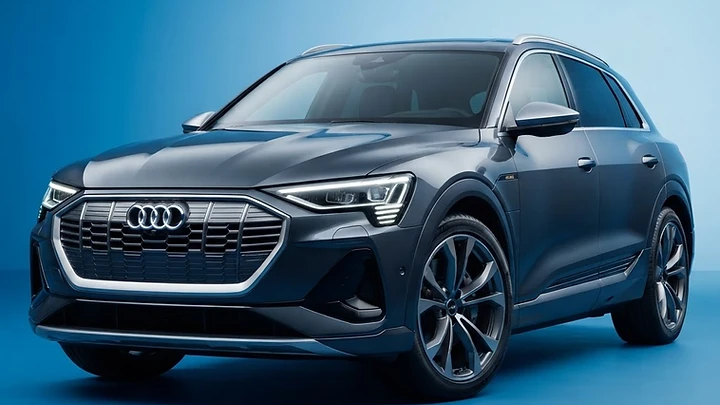
At its core, a head-up display is a projection system that casts critical driving data—such as your current speed, speed limit signs, and turn-by-turn navigation—directly onto the lower portion of your windshield. By positioning this information at eye level, the system eliminates the 'glance-down' distraction that accounts for thousands of accidents annually. In 2026, we are seeing a massive divide between basic HUDs, which project simple digital numbers, and the cutting-edge Augmented Reality (AR) HUDs found in premium vehicles like the 2026 Audi Q8 e-tron or the Mercedes-Benz EQS. These AR systems don't just show data; they overlay digital arrows onto the actual road, highlighting your lane or pointing exactly where to turn, making navigation feel less like reading a map and more like following a path of light. 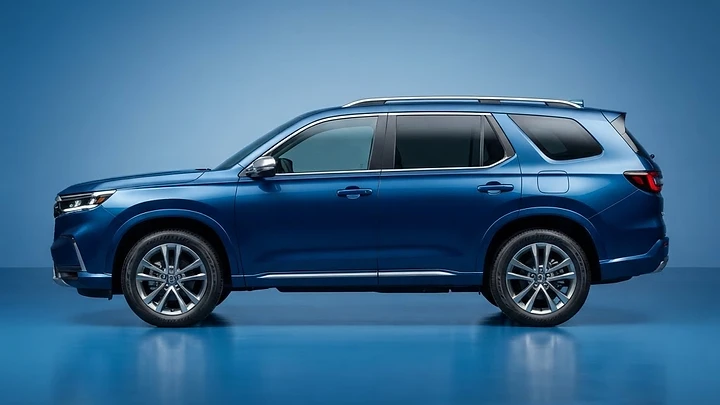
The Real-World Benefits: Safety vs.
Distraction The primary argument for a HUD is safety. When you are navigating a complex highway interchange in a 2026 Honda Pilot or a 2026 Mazda CX-5, the last thing you want is to look away from the traffic to check your GPS. A HUD keeps your situational awareness high. However, there is a caveat: information overload. Some systems are so cluttered with data—RPMs, battery voltage, music tracks, and incoming calls—that they can actually become a distraction. The best systems, like those found in the latest Cadillac Vistiq, allow for deep customization, letting you strip the display down to just your speed and the next turn. If you are a driver who values focus, a clean, minimalist HUD is a game-changer. 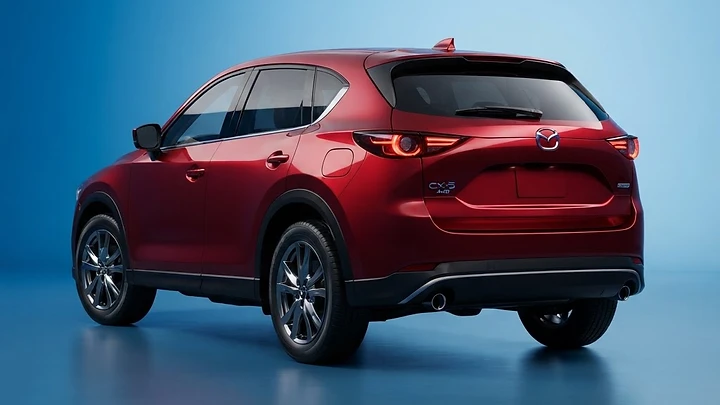

Factory HUD vs.
Aftermarket Solutions If your vehicle didn't come with a HUD from the factory, you might be tempted by the sea of 'CarPlay HUD' devices available online. It is important to be an honest consumer here: most of these aftermarket units are not true HUDs. They are often simple OBD2-connected projectors that display basic speed data. They do not mirror your Apple CarPlay or Android Auto interface. If you want the seamless, integrated experience where your navigation arrows appear to float 30 feet in front of your bumper, you must opt for the factory-installed system. These are covered by your new car warranty and are engineered to work perfectly with your vehicle's sensors. Aftermarket units, while cheaper, often struggle with brightness in direct sunlight and can be a visual eyesore on your dashboard. 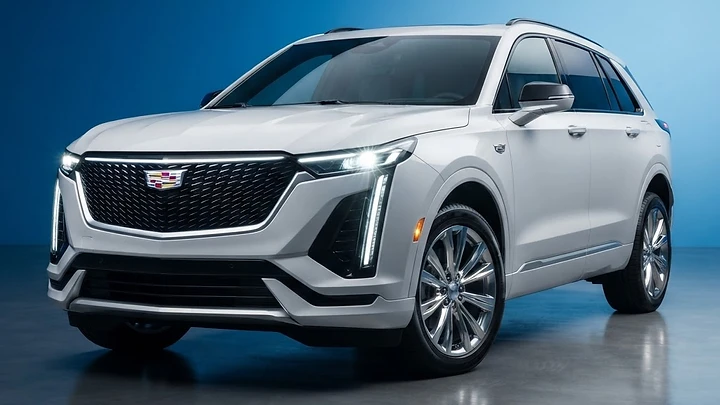

Is the Tech Worth the Price Tag?
In 2026, a HUD is rarely a standalone option; it is usually bundled into a 'Technology Package' or reserved for top-tier trims. This can add $1,500 to $3,000 to your total vehicle price. For a family buyer, that money might be better spent on safety features like blind-spot monitoring or upgraded seating. However, if you spend hours commuting or frequently take long road trips, the reduction in mental fatigue is tangible. You aren't just paying for a projector; you are paying for a more relaxed, confident driving experience. Before you sign the paperwork, ask the dealer to let you test drive the vehicle at dusk and in bright daylight. If the display washes out or feels jittery, it isn't worth the premium. 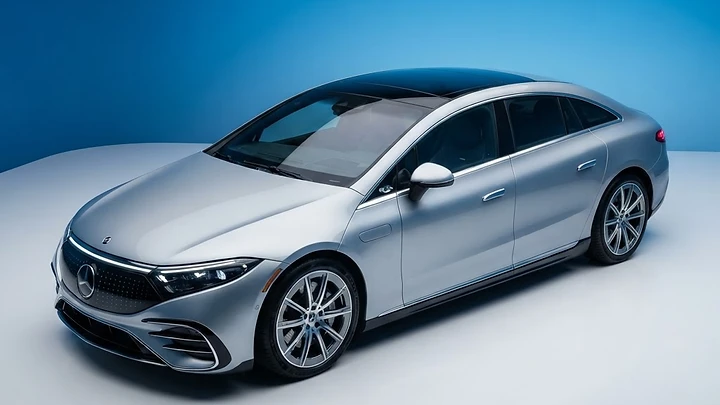

Frequently Asked Questions
Can I add a factory HUD to my car later?
Unfortunately, no. Factory HUDs require a specific windshield with a special coating to reflect the image clearly, as well as a cutout in the dashboard for the projector unit. It is not a plug-and-play upgrade. #
Do HUDs work if I wear polarized sunglasses?
This is a common issue. Some HUDs can become invisible or appear distorted when viewed through polarized lenses. Always test the display with your specific sunglasses during your test drive. #
Is AR navigation better than standard HUD navigation?
Yes, for complex urban driving. AR navigation overlays arrows onto the road, which helps in confusing intersections where a standard 2D map might be ambiguous. #
Does a HUD drain my car battery?
No. The power draw is negligible compared to other vehicle systems like climate control or heated seats.
The Bottom Line A head-up display is a luxury that quickly becomes a necessity once you get used to it.
If you are buying a 2026 model and have the budget, prioritize a system that offers clean, customizable data. If you are on a tighter budget, don't feel pressured to chase this tech; your eyes are perfectly capable of checking the instrument cluster. But for those who want the most seamless, futuristic, and safe driving experience available today, a well-integrated AR HUD is one of the few 'tech' features that actually improves the act of driving.
The cars in this story
The real price and honest verdict on each one
- 2026 Mazda CX-5Compact SUV · from $29,000
- 2026 Honda PilotMid-Size SUV · from $42,195
- 2026 Audi Q8Mid-Size Luxury SUV · from $75,600
- 2026 Audi Q8 e-tronMid-Size SUV · from $75,600
More car news

2026 Car Buying: How to Navigate High Prices and Tech
Buying a car in 2026? Discover how to navigate record-high prices, essential tech features, and shifting market trends to secure the best deal for your needs.

Software-Defined Cars: The 2026 Honest Buyer’s Guide
Are software-defined cars worth the hype? Discover how over-the-air updates and subscription features are changing the 2026 car buying experience.

Connected Car Tech: What Actually Matters in 2026?
Confused by the latest in-car tech? Discover which connected features are worth your money in 2026 and which are just expensive distractions.