Connected Car Tech: What Actually Matters in 2026?
Confused by the latest in-car tech? Discover which connected features are worth your money in 2026 and which are just expensive distractions.
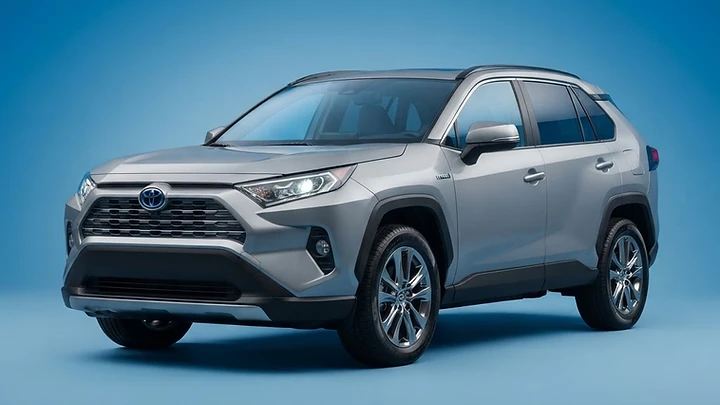
Imagine the sun cresting over the horizon as you pull onto an open highway, the road stretching out like a ribbon of possibility. Your car isn't just a machine; it is a sanctuary of connectivity, a digital co-pilot that knows your route, monitors your safety, and keeps you in sync with the world. In 2026, the automotive landscape has shifted. We are no longer just buying engines and chassis; we are buying software-defined experiences. But with the average new vehicle price hovering near $50,000, how do you distinguish between life-changing innovation and expensive, gimmicky tech?
The Rise of Connected Safety Features In 2026, the most valuable tech isn't the flashiest—it is the kind that keeps you and your family safe.
According to recent consumer studies, buyers are prioritizing connected features that enhance security and decision-making over mere entertainment. Lane change assist, for instance, has moved from a luxury add-on to a "must-have" for many families. When you are navigating a busy commute in a 2026 Toyota RAV4 or a 2026 Honda CR-V, having a system that actively monitors blind spots and assists with steering inputs provides a genuine sense of peace. These systems are no longer just "nice to have"; they are becoming the baseline for modern vehicle value. 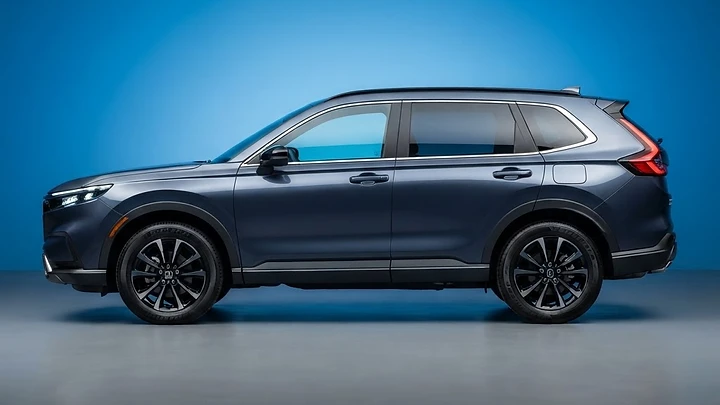
Why Software-Defined Vehicles Matter The industry is moving toward "software-defined" vehicles, meaning your car can actually get better after you drive it off the lot.
Over-the-air (OTA) updates are the secret sauce here. Instead of your car becoming obsolete the moment a new model year drops, manufacturers are now pushing updates that improve battery management, refine infotainment interfaces, and even add new safety capabilities. If you are looking at a 2026 Hyundai Ioniq 5, you aren't just buying the car as it sits today; you are buying into a platform that will evolve. This longevity is a massive factor in long-term ownership value, potentially keeping your vehicle relevant for years longer than traditional models. 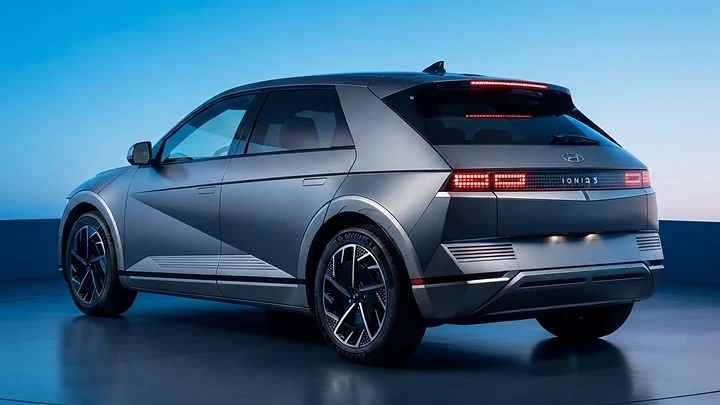

The Tech vs.
Brand Loyalty Shift We are seeing a fascinating trend: brand loyalty is eroding. Why? Because tech is replacing the badge as the primary differentiator. If a mainstream brand offers a more intuitive, responsive, and feature-rich infotainment system than a luxury brand, buyers are increasingly willing to switch. Consumers are "double-clicking" on technology, looking for seamless smartphone integration and AI-driven personalization. If you are shopping with a budget under $40,000, you no longer have to sacrifice high-end connectivity. The gap between premium and mainstream tech is closing rapidly, and the smart buyer is the one who prioritizes the user interface over the logo on the hood. 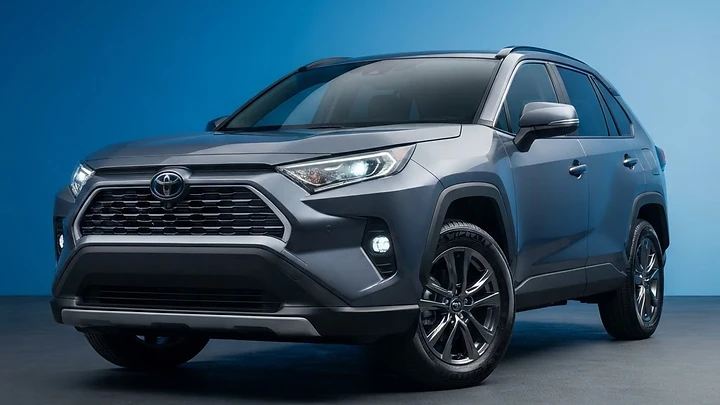

Frequently Asked Questions
Are connected car features worth the extra cost?
Yes, if they enhance safety or convenience. Features like emergency assistance and real-time traffic navigation provide tangible value. Avoid paying for "subscription-locked" hardware that doesn't improve your daily drive. #
Will my car's tech become obsolete?
Not necessarily. Look for vehicles that support over-the-air (OTA) updates. These models can receive software patches and feature enhancements, extending the life of your infotainment and safety systems. #
Is data sharing a concern?
It is a valid concern. Always check the manufacturer's privacy policy regarding how your driving data is used. Most modern systems allow you to opt-out of non-essential data collection. #
Do I need a 5G-enabled car?
For most drivers, 4G LTE is sufficient for navigation and music streaming. 5G is currently more "future-proofing" than a daily necessity, unless you frequently use your car as a mobile office. 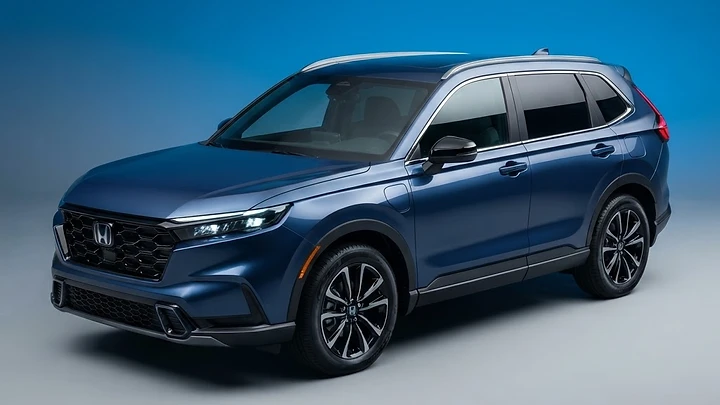

The Bottom Line In 2026, the best car-buying strategy is to focus on "functional tech." Don't get distracted by massive screens or ambient lighting gimmicks. Instead, prioritize vehicles with robust, updateable safety suites and intuitive connectivity that integrates seamlessly with your life. Whether you are eyeing a reliable hybrid or a cutting-edge EV, ensure the tech serves you, not the other way around. Buy for the long haul, demand transparency in data usage, and remember: the best technology is the kind that makes the road ahead feel a little bit safer and a lot more enjoyable.
The cars in this story
The real price and honest verdict on each one
- 2026 Honda CR-VCompact SUV · from $30,920
- 2026 Toyota RAV4Compact SUV · from $31,900
- 2026 Lucid AirLuxury Electric Sedan · from $70,900
- 2026 Honda PilotMid-Size SUV · from $42,195
More car news

2026 Car Buying: How to Navigate High Prices and Tech
Buying a car in 2026? Discover how to navigate record-high prices, essential tech features, and shifting market trends to secure the best deal for your needs.

Software-Defined Cars: The 2026 Honest Buyer’s Guide
Are software-defined cars worth the hype? Discover how over-the-air updates and subscription features are changing the 2026 car buying experience.

Head-Up Displays: Are They Worth It in 2026?
Are head-up displays worth the upgrade in 2026? We break down the safety, tech, and real-world value of HUDs to help you decide if you need one.