2026 Cargo Space Guide: Best Family SUVs for Your Gear
Need more room? Discover the 2026 SUVs with the most usable cargo space. We break down real-world capacity to help your family pack smarter and travel better.
There is a specific kind of magic that happens when you load up the car for a long-awaited family getaway. The trunk clicks shut, the engine hums to life, and the horizon stretches out before you, promising memories that will last a lifetime. But for many American families, that moment of wonder is often interrupted by the stressful reality of a trunk that just won't close. Finding the right vehicle with enough usable cargo space is the difference between a chaotic, cramped commute and a seamless, joyful adventure. In 2026, manufacturers are finally prioritizing real-world utility over theoretical numbers, giving us more ways to haul our lives with ease.
Why Usable Cargo Space Matters More Than Specs When you are shopping for a new family vehicle, it is easy to get lost in the manufacturer's brochure.
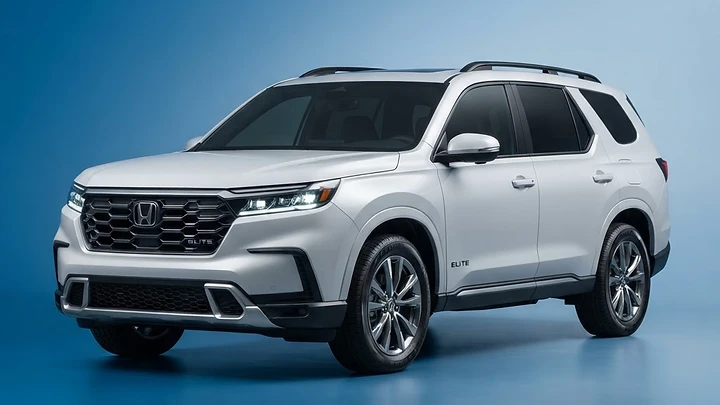
You will see numbers like 80 cubic feet or 40 cubic feet, but these figures often hide the truth about how the space is actually shaped. A deep, narrow trunk might look great on paper but fail to hold a standard stroller or a set of golf clubs. At Carummah, we believe in measuring what matters: the low lift-over height, the width between wheel wells, and how flat the seats fold. For 2026, the 2026 Honda Pilot stands out as a masterclass in interior packaging, offering up to 87.0 cubic feet of total volume. It is not just about the total number; it is about the square, usable floor space that allows you to stack gear without playing a game of Tetris every time you head to the grocery store or the airport. 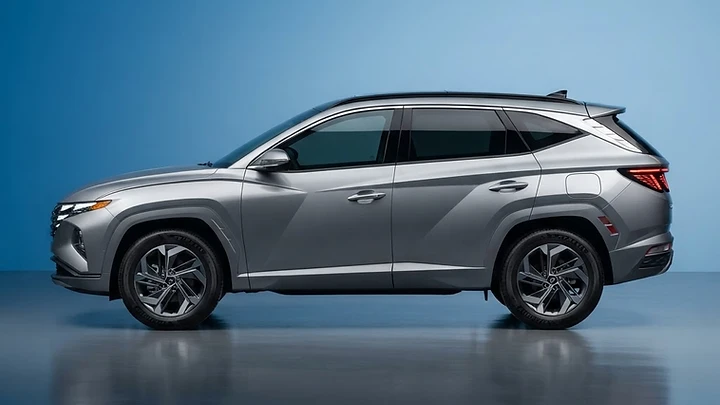
The 2026 Compact SUV Contenders If you do not need a massive three-row hauler, the compact SUV segment has evolved significantly.
The 2026 Hyundai Tucson has become a favorite for families who need a balance of efficiency and utility, boasting 41.2 cubic feet behind the second row. This is a significant advantage when you are juggling sports equipment and school bags. Meanwhile, the 2026 Honda CR-V Hybrid remains a benchmark for reliability and smart design, offering 76.5 cubic feet of total cargo capacity. When comparing these models, look for the 'flat-fold' capability—a feature that turns your rear cabin into a cavernous storage area, perfect for those weekend DIY projects or camping trips. 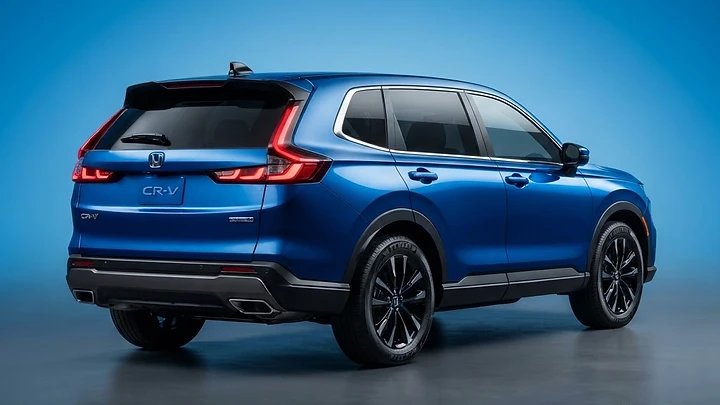

Midsize SUVs: The Sweet Spot for Growing Families For families who have outgrown their compact crossovers, the midsize segment offers the perfect blend of passenger comfort and cargo flexibility.
The 2026 Ford Explorer continues to be a staple, providing 46.0 cubic feet of space with the third row folded down. It is a vehicle designed for the reality of modern parenting, where the cabin needs to adapt from a school-run shuttle to a road-trip command center in seconds. If you prioritize ease of access, the 2026 Toyota Grand Highlander is another standout, starting under $42,000 and offering a massive, accessible cargo area that makes loading heavy items feel effortless. 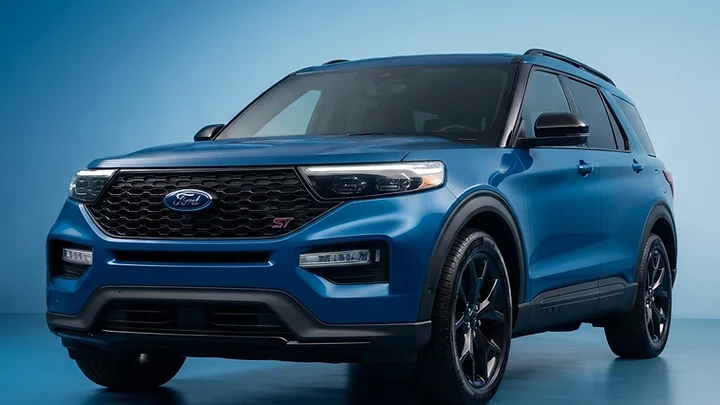

Smart Loading Tips for Every Driver Even with the most spacious vehicle, how you pack makes a massive difference in safety and fuel economy.
Always place your heaviest items as low and as close to the center of the vehicle as possible to maintain a stable center of gravity. Utilize cargo organizers to prevent smaller items from sliding around during turns, and never stack items above the seatback height, as this can obstruct your rearview mirror and create a projectile hazard in the event of a sudden stop. Investing in a high-quality cargo net or a retractable cover can also keep your valuables out of sight and your cabin organized. 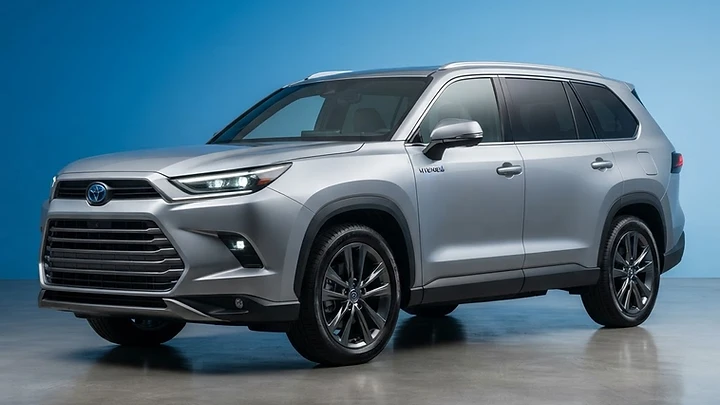

Frequently Asked Questions
How do I know if a car has enough cargo space for my family?
Look beyond the total cubic feet. Visit the dealership with your most 'difficult' item—like a stroller, a large cooler, or a pet crate—and test how it fits in the trunk. #
Does a hybrid battery take up too much cargo space?
In most modern 2026 hybrids, the battery is cleverly integrated under the floor or the rear seats, meaning you lose very little, if any, usable cargo space compared to gas-only models. #
Is a minivan better than an SUV for cargo?
Generally, yes. Minivans offer a lower floor and a more rectangular shape, which is objectively better for hauling large, bulky items. However, if you prefer the ride height and styling of an SUV, many modern three-row models now offer comparable utility.
The Bottom Line Finding the right vehicle is about matching your lifestyle to the engineering.
If you need maximum utility, the 2026 Honda Pilot is our top recommendation for its sheer volume and smart layout. For those who want efficiency without sacrificing space, the 2026 Honda CR-V Hybrid is the gold standard. Remember, the best car is the one that makes your daily life easier, not the one that looks best on a spec sheet. Take your time, test the cargo area, and choose the vehicle that gives you the freedom to pack up and go whenever inspiration strikes.
The cars in this story
The real price and honest verdict on each one
- 2026 Honda CR-VCompact SUV · from $30,920
- 2026 Ford ExplorerMid-Size SUV · from $38,465
- 2026 Toyota Grand HighlanderFull-Size SUV · from $42,260
- 2026 Hyundai TucsonCompact SUV · from $29,450
More car news

Are Extended Car Warranties Worth It? The 2026 Honest Guide
Considering an extended car warranty? We break down the real costs, coverage gaps, and whether these service contracts actually protect your wallet in 2026.

Minivan vs. SUV: The 2026 Honest Family Buyer’s Guide
Choosing between a minivan and a three-row SUV in 2026? We break down the real-world differences in space, fuel economy, and family utility to help you decide.

Car Subscription vs. Buying: The 2026 Honest Buyer’s Guide
Is a car subscription better than buying or leasing in 2026? We break down the real costs, flexibility, and ownership trade-offs for your family lifestyle.