The 2026 Connected Car: Is Your Next Vehicle Too Smart?
Buying a 2026 car? Discover how connected car tech, OTA updates, and digital cockpits impact your ownership experience, privacy, and long-term value.
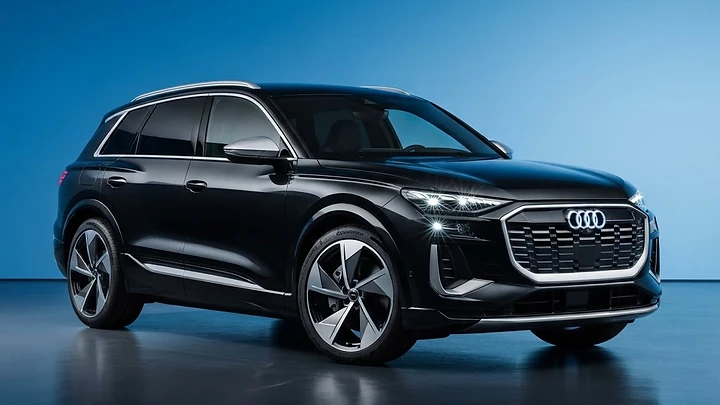
Imagine pulling your vehicle into the driveway as the sun dips below the horizon, painting the sky in hues of deep violet and gold. You aren't just parking a machine; you are docking a sophisticated, cloud-connected node that has spent the day learning your preferences, optimizing its own battery health, and downloading the latest performance enhancements while you worked. In 2026, the automotive landscape has shifted from simple mechanical transport to a rolling digital ecosystem. For the modern American buyer, this evolution brings a sense of awe—the ability to command a vehicle that feels like a living, breathing extension of your digital life. However, with this innovation comes a critical need for transparency. As you navigate the showroom floor, understanding the 'connected car' is no longer optional; it is the key to making a purchase that remains relevant for years to come.
The Rise of the Digital Cockpit and Infotainment In 2026, the dashboard has become the primary interface for your driving experience.
Systems like the award-winning Audi MMI, found in the 2026 Audi Q6 E-Tron, have set a new standard by housing a 14.5-inch touchscreen and an 11.9-inch digital instrument cluster behind a single, elegant curved panel. This 'Digital Stage' isn't just about aesthetics; it is about reducing cognitive load. When you are shopping, look for systems that prioritize intuitive, multi-sensory interaction. Modern cockpits now leverage powerful system-on-a-chip architectures, allowing for seamless video streaming, gaming, and personalized profiles that adjust your seat, climate, and audio settings the moment you touch the door handle. 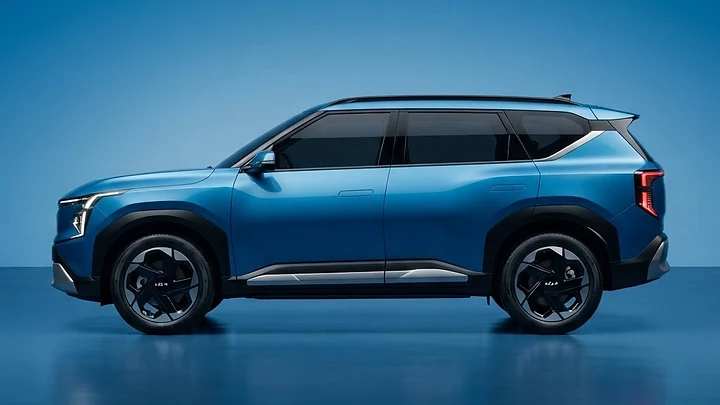
Over-the-Air (OTA) Updates: Future-Proofing Your Ride One of the most significant shifts in 2026 is the prevalence of Over-the-Air (OTA) updates.
In the past, a car’s software was static from the day it left the factory. Today, vehicles like the 2026 Kia EV5 or the latest BMW models receive regular performance patches, feature enhancements, and security updates wirelessly. This means your car can actually get better with age. When evaluating a vehicle, ask the dealer specifically about the manufacturer's OTA policy. Does the system support deep-level updates to the powertrain and braking, or is it limited to infotainment tweaks? A robust OTA strategy is a hallmark of a vehicle designed for long-term value. 

Connectivity, Data, and Your Privacy As your car becomes a service delivery platform, it generates roughly 25 gigabytes of data per hour.
This data powers everything from predictive maintenance alerts to real-time traffic navigation. While this connectivity offers immense convenience, it also raises valid questions about privacy. As a buyer, you have the right to know what data your vehicle collects and how it is shared. Transparency is the cornerstone of the Carummah philosophy. Before signing, review the connected services agreement. Ensure you are comfortable with the level of data sharing required for features like remote diagnostics and emergency assistance, and always check if you can opt-out of non-essential data tracking. 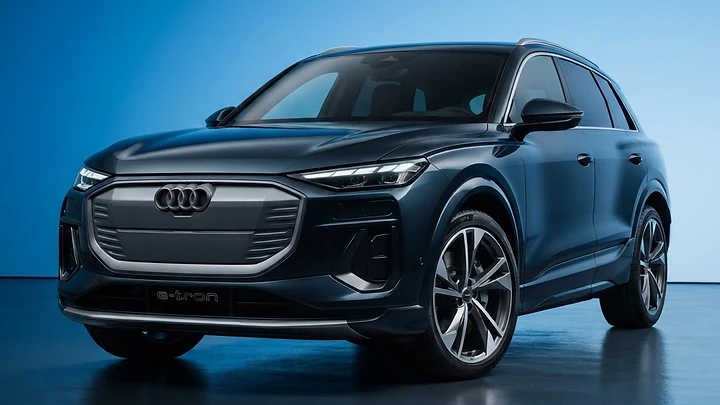

Frequently Asked Questions
Do I need a 5G subscription for my car to work?
Most core features, such as safety systems and basic navigation, function without a paid data plan. However, premium features like high-definition streaming, in-car Wi-Fi hotspots, and advanced cloud-based voice assistants typically require a monthly subscription after an initial trial period. #
Will my car's tech become obsolete in three years?
The shift toward software-defined vehicles (SDVs) is designed to combat obsolescence. Because manufacturers can update the software layer, the hardware's lifespan is extended. Focus on vehicles with high-performance processors, as these are better equipped to handle future software demands. #
Is it safer to have a highly connected vehicle?
Yes, in many ways. Connected vehicles can receive real-time alerts about road hazards, weather conditions, and traffic flow. Furthermore, predictive maintenance can notify you of a failing component before it leaves you stranded, significantly improving long-term reliability. #
Can I turn off the 'smart' features?
While you cannot disable the core connectivity required for safety and regulatory compliance, most modern vehicles allow you to manage privacy settings through the infotainment menu. You can typically restrict location sharing and personalized marketing data without compromising the driving experience. 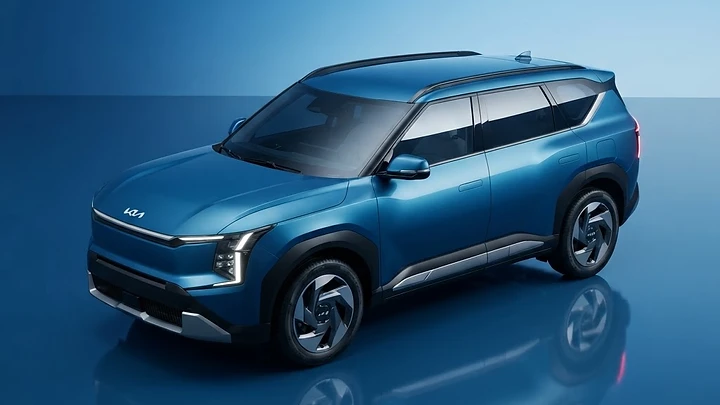

The Bottom Line The 2026 automotive market offers a level of integration that was science fiction just a decade ago.
Whether you are looking at a high-tech SUV like the Q6 E-Tron or a practical family hauler, the 'connected' aspect is now a fundamental part of the value proposition. My recommendation? Prioritize vehicles with a proven track record of consistent, stable OTA updates and a user interface that feels natural to you. Don't be dazzled by screen size alone; look for the underlying architecture that ensures your investment remains a smart, safe, and enjoyable companion for the road ahead. Buy with confidence, stay informed, and enjoy the incredible technology that makes today's driving experience truly special.
The cars in this story
The real price and honest verdict on each one
Every model, side by sideMore car news

2026 Car Buying: How to Navigate High Prices and Tech
Buying a car in 2026? Discover how to navigate record-high prices, essential tech features, and shifting market trends to secure the best deal for your needs.

Software-Defined Cars: The 2026 Honest Buyer’s Guide
Are software-defined cars worth the hype? Discover how over-the-air updates and subscription features are changing the 2026 car buying experience.

Head-Up Displays: Are They Worth It in 2026?
Are head-up displays worth the upgrade in 2026? We break down the safety, tech, and real-world value of HUDs to help you decide if you need one.