Extended Warranty: Is It Worth It for Your 2026 Car?
Is an extended warranty worth it for your 2026 vehicle? We break down the costs, coverage gaps, and whether these plans actually save you money.
Imagine the sun dipping below the horizon, casting a golden glow over the open highway as you cruise effortlessly toward your next family adventure. There is a profound sense of peace that comes from knowing your vehicle is a marvel of modern engineering, capable of turning miles of asphalt into memories. Yet, even the most reliable machines can encounter unexpected hurdles. When you are standing in the finance office, pen hovering over a contract for an extended warranty, that sense of wonder can quickly turn to anxiety. You are protecting your investment, but is an extended warranty worth it for your 2026 vehicle? Navigating the world of service contracts requires a clear head and a deep understanding of what you are actually buying. Many buyers feel pressured to sign the dotted line to avoid future repair bills, but transparency is your greatest asset in this decision.
Understanding the 2026 Extended Warranty Landscape An extended warranty—technically a Vehicle Service Contract (VSC)—is an insurance policy against mechanical failure after your factory coverage expires.
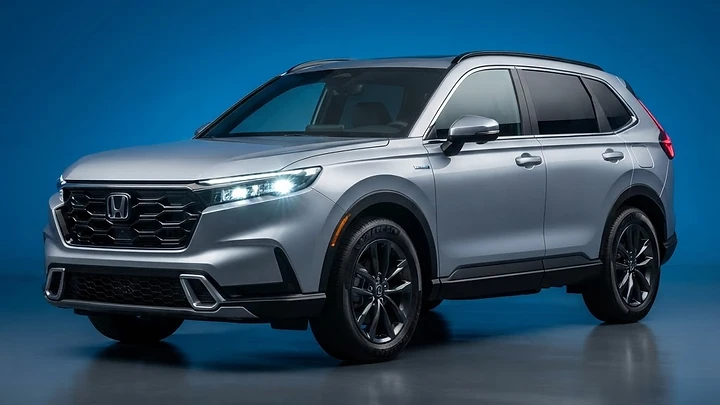
In 2026, as vehicles become increasingly packed with complex sensors, advanced driver-assistance systems (ADAS), and intricate infotainment hubs, the cost of repairs has surged. A failed touchscreen in a 2026 Honda CR-V or a faulty radar sensor in a 2026 Toyota RAV4 can cost thousands to replace. However, it is vital to distinguish between a manufacturer-backed plan and a third-party policy. Manufacturer plans often provide better peace of mind, as they use original equipment manufacturer (OEM) parts and are serviced at authorized dealerships. Third-party providers often offer lower premiums but may come with restrictive fine print regarding which repair shops you can use or what specific components are covered.
Why Modern Car Complexity Changes the Math The automotive industry has shifted toward software-defined vehicles.
While this brings incredible convenience, it also introduces long-term risks. When you consider a vehicle like the 2026 Ford F-150, you aren't just insuring a transmission and engine; you are insuring a complex web of electronic control units (ECUs). If you plan to keep your vehicle for more than the standard 3-year/36,000-mile bumper-to-bumper warranty, an extended plan might seem logical. But look closely at your driving habits. If you drive 10,000 miles a year, your factory warranty will last you well into 2029. Buying a long-term plan today might mean you are paying for coverage that overlaps significantly with a warranty you already have for free. 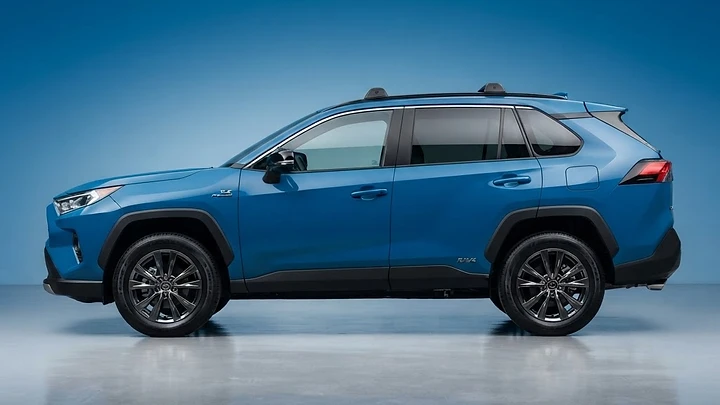
When an Extended Warranty Makes Financial Sense There are specific scenarios where an extended warranty acts as a sensible financial safeguard rather than a dealership profit center.
First, consider the reliability of the specific model. If you are buying a vehicle known for complex, expensive electrical gremlins, a plan can shield you from those costs. Second, if you are financing your vehicle over 72 or 84 months, your financial vulnerability extends long after the factory warranty expires. Rolling the cost of a warranty into your monthly payment might feel easier, but always calculate the total interest you will pay on that warranty premium. Often, it is cheaper to save a small amount monthly in a 'car repair fund' than to pay interest on a service contract. 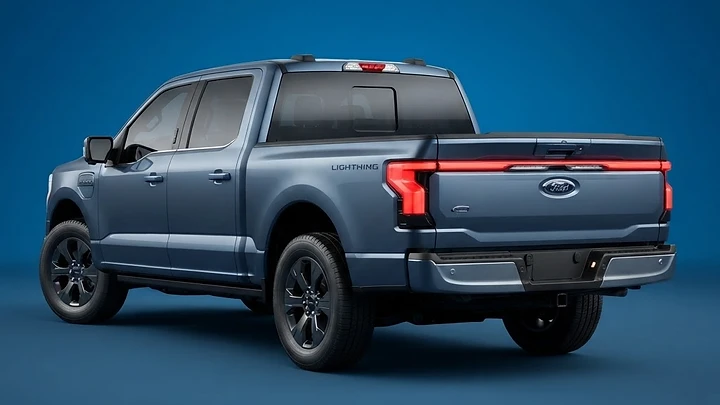

The Hidden Costs and Common Exclusions Not all coverage is created equal.
Before signing, ask for a list of 'exclusions' rather than 'inclusions.' Many plans cover major powertrain components but skip over the 'infotainment and tech' items that are most likely to fail in 2026 models. Additionally, look for deductibles. A $0-deductible policy might have a significantly higher upfront cost than a $200-deductible plan. If you are handy or expect to visit the shop rarely, a higher deductible can lower your total cost. Watch out for 'wear and tear' clauses; many warranties refuse to pay for components that 'gradually' wear out, such as brake pads, belts, or battery cells, which are often the first things to need attention. 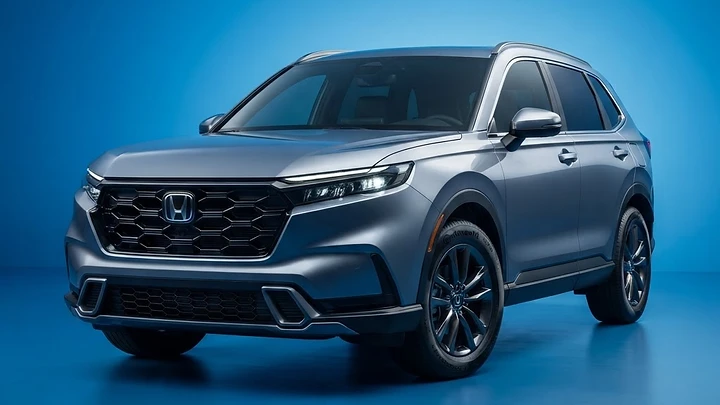

Negotiating Your Service Contract Many buyers don't realize that the price of an extended warranty is negotiable.
Dealerships often inflate these prices significantly to boost their margins. If you decide to move forward, don't accept the first price provided. Research the market rates for your specific make and model. You can often purchase a manufacturer-backed warranty from a different dealership within the same brand network for a lower price, even after you have purchased your vehicle. Always ask: 'Is this a factory-backed plan, or is it through a third-party administrator?' Stick to manufacturer-backed plans whenever possible to ensure your vehicle is handled by certified technicians using genuine parts.
Frequently Asked Questions
Do I have to buy an extended warranty at the time of purchase?
No. In most cases, you can purchase an extended warranty anytime before your original factory warranty expires. Don't feel pressured to buy it on day one. #
Can I cancel an extended warranty if I change my mind?
Yes. Most legitimate plans allow for a prorated refund if you cancel within a certain timeframe or mileage limit, though you should verify this in the contract terms before signing. #
Does an extended warranty cover routine maintenance?
Typically, no. Extended warranties cover mechanical breakdowns, not scheduled maintenance like oil changes, tire rotations, or brake pad replacements. #
Are third-party warranties worth the risk?
They can be, but they require much more due diligence. Always check the financial rating of the insurance company backing the plan and read online reviews specifically regarding their claims process. 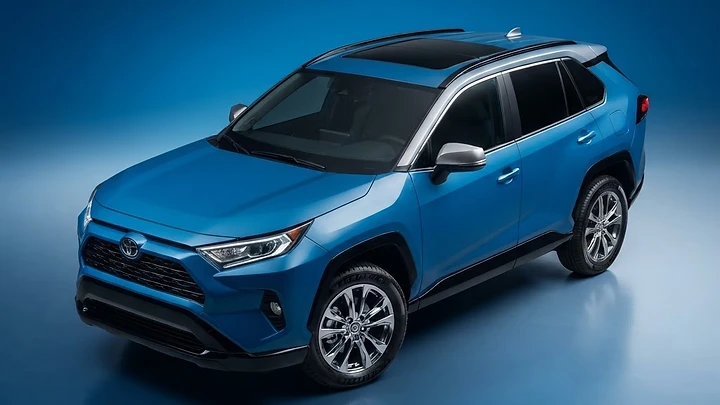

The Bottom Line For the vast majority of 2026 car buyers, the best 'extended warranty' is a dedicated high-yield savings account where you set aside $50 to $100 per month.
If you never need a major repair, that money remains yours. If you do encounter a problem, you have the cash on hand. If you must have the peace of mind an insurance product provides, skip the high-pressure dealership add-ons and shop around for a manufacturer-backed policy. Look for comprehensive coverage that includes the complex electronics inherent in 2026 vehicles, and never pay full 'sticker price' for the plan. Knowledge is your best protection—use it to keep your ownership experience as smooth as the road ahead.
The cars in this story
The real price and honest verdict on each one
- 2026 Toyota RAV4Compact SUV · from $31,900
- 2026 Ford F-150Full-Size Pickup · from $39,330
- 2026 Honda CR-VCompact SUV · from $30,920
More car news

The 2026 Car Market: How to Buy Smart When Prices Are High
Navigating the 2026 car market? Discover how to secure a fair deal, manage affordability, and choose the right vehicle amidst record-high average prices.

Best Time to Trade In a Car: The 2026 Honest Buyer’s Guide
Wondering when to trade in your car? Discover the optimal timing, market trends, and financial strategies to maximize your vehicle's value in 2026.

Smart Car Buying: Navigating the 2026 Market With Confidence
Master the 2026 car buying market with our honest guide. Learn how to secure financing, avoid hidden fees, and find the right vehicle for your budget today.