2026 Fuel Economy: The Honest Guide to Real-World Savings
Stop guessing at the pump. Discover which 2026 vehicles actually deliver on their fuel economy promises and how to maximize your miles for real savings.
There is a specific kind of magic in the open road—the way the horizon stretches out, the hum of the engine beneath you, and the freedom to go wherever your heart desires. Yet, for many American families, that sense of wonder is often tempered by the anxiety of the fuel gauge needle dropping toward empty. In 2026, the landscape of automotive efficiency has shifted dramatically. Whether you are looking for a daily commuter that sips fuel or a family hauler that won't break the bank at the pump, understanding the reality of 2026 fuel economy is your first step toward true ownership freedom. We are here to cut through the marketing noise and help you find a vehicle that respects both your budget and your time.
The Reality of EPA Ratings vs.
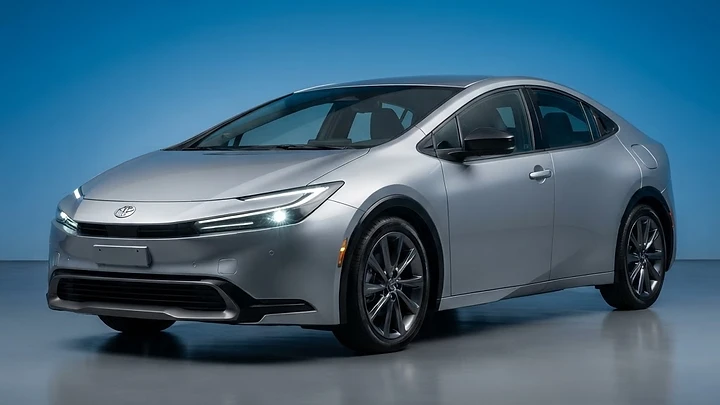
Your Daily Drive It is easy to get caught up in the headline-grabbing numbers on a window sticker, but those EPA estimates are generated in controlled laboratory environments. In the real world, your fuel economy is influenced by a complex dance of variables: your driving style, the local topography, tire pressure, and even the weight of the cargo you carry. For instance, the 2026 Toyota Prius remains a benchmark for efficiency, often hitting its advertised 57 mpg combined, but that figure can fluctuate if you are frequently navigating steep mountain passes or heavy stop-and-go city traffic. When shopping, treat the EPA number as a baseline, not a guarantee. If you prioritize efficiency, look for vehicles that offer regenerative braking or advanced aerodynamic profiles, which help maintain momentum without constant throttle input. 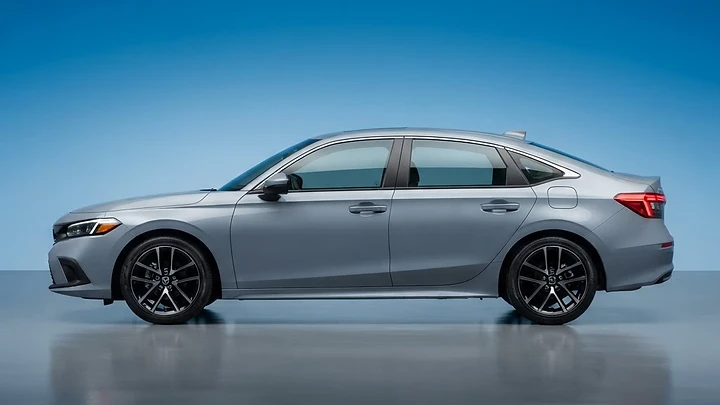
Hybrid vs.
Gas: Running the Numbers The debate between traditional internal combustion engines and hybrid powertrains is more relevant than ever. While a hybrid like the 2026 Hyundai Elantra Hybrid can achieve an impressive 54 mpg combined, it comes with a higher initial purchase price compared to its gas-only counterpart. To determine if the upgrade is worth it, calculate your annual mileage. If you drive fewer than 10,000 miles a year, the fuel savings might take several years to offset the premium price of the hybrid system. However, if you are a high-mileage commuter, the long-term ownership value of a hybrid becomes undeniable. For those who prefer the simplicity of gas, models like the 2026 Honda Civic offer a refined, non-hybrid experience that still manages a respectable 36 mpg combined, proving that traditional engineering still has plenty of life left. 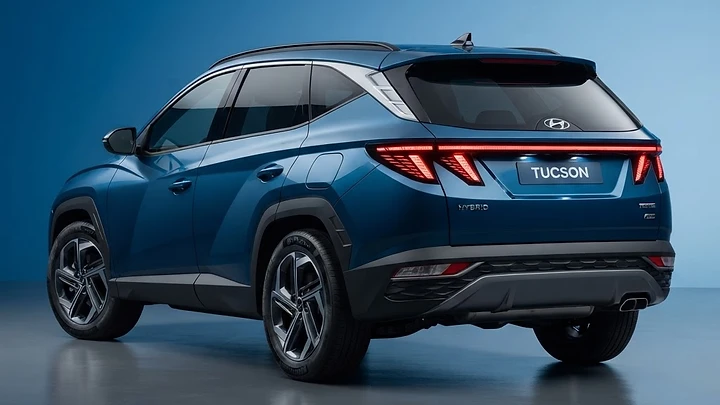

Weight and Aerodynamics: The Hidden Efficiency Killers One of the most overlooked aspects of fuel economy is the vehicle's physical footprint.
Modern SUVs are marvels of engineering, but they are inherently heavier and less aerodynamic than sedans. If you do not strictly need the extra ground clearance or cargo volume of a large SUV, a compact sedan or hatchback will almost always be more efficient. Furthermore, keep your vehicle lean. Carrying unnecessary weight—like heavy roof racks you aren't using or a trunk full of gear—forces the engine to work harder. Simple maintenance, such as ensuring your tires are inflated to the manufacturer's recommended PSI, can also prevent the rolling resistance that silently drains your fuel efficiency over time. 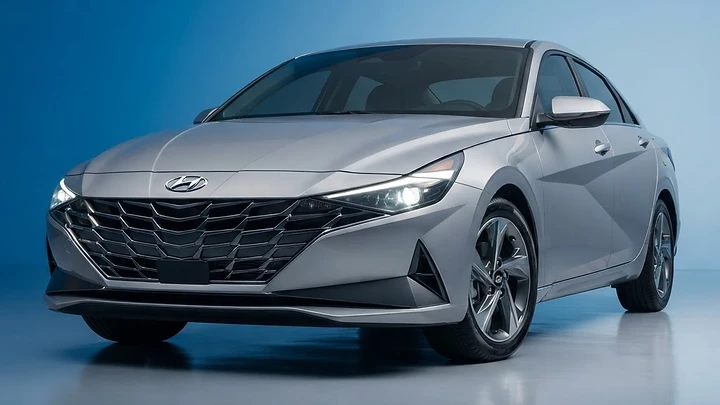

Frequently Asked Questions
Can I achieve a car’s advertised MPG figures in the real world?
Yes, but it requires mindful driving. Avoiding rapid acceleration, using cruise control on the highway, and combining short errands into one trip can help you get closer to, or even exceed, the EPA estimates. #
Does the grade of fuel really matter for my fuel economy?
Always follow the manufacturer's recommendation in your owner's manual. Using premium fuel in a car designed for regular will not improve your mileage and is simply an unnecessary expense. #
Are hybrid SUVs actually more efficient than gas sedans?
Generally, no. While hybrid SUVs are significantly more efficient than their gas-only SUV counterparts, a dedicated hybrid sedan will almost always win the efficiency battle due to its lower weight and better aerodynamics. #
How does cold weather affect my fuel economy?
Cold air is denser, and engines take longer to reach their optimal operating temperature. Expect a dip in your fuel economy during winter months, as your car uses more energy to warm up the cabin and the engine block. 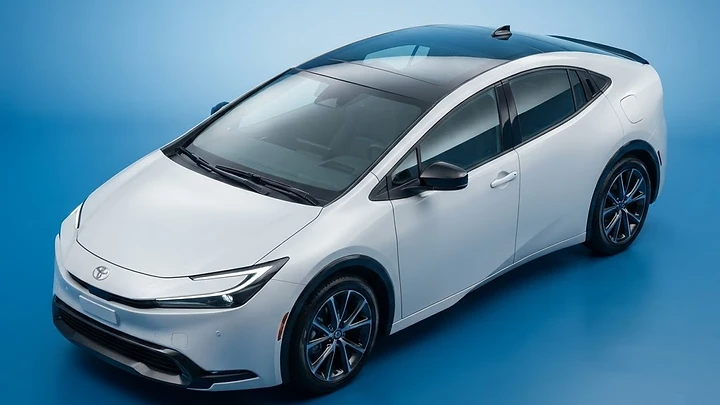

The Bottom Line Choosing the right vehicle is about balancing your lifestyle needs with your financial goals.
If you want the absolute best efficiency, the 2026 Toyota Prius remains the gold standard. If you need more space, the 2026 Hyundai Tucson Hybrid offers a fantastic blend of utility and 38 mpg efficiency. For those who prefer a traditional gas engine, the 2026 Honda Civic is our top recommendation for its reliability and impressive 36 mpg rating. Remember, the most efficient car is the one that fits your life perfectly without forcing you to compromise on safety or comfort. Take your time, test drive, and always look at the long-term cost of ownership rather than just the sticker price.
The cars in this story
The real price and honest verdict on each one
- 2026 Toyota PriusCompact Sedan · from $28,550
- 2026 Hyundai ElantraCompact Sedan · from $22,625
- 2026 Hyundai TucsonCompact SUV · from $29,450
- 2026 Lucid AirLuxury Electric Sedan · from $70,900
More car news

2026 Fuel Economy: The Honest Guide to Real-World Savings
Tired of gas station sticker shock? Discover the most fuel-efficient 2026 vehicles and learn how to maximize your real-world MPG without the dealership hype.

Mastering Fuel Economy: The 2026 Honest Efficiency Guide
Stop overpaying at the pump. Discover how 2026 driving habits, maintenance, and vehicle choices can slash your fuel costs and maximize your real-world MPG.

Best Gas Mileage Cars 2026: The Honest Efficiency Guide
Searching for the best gas mileage cars in 2026? We break down the most efficient non-hybrid and hybrid models to help you save money at the pump today.